
Best Brome Bird Feeders of 2026: Which Model Should You Buy?
Choosing the best brome bird feeder usually starts after squirrels have emptied one feeder too many. Brome built its name on feeders that shut squirrels out with moving parts instead of cages, and the range now runs from compact tube feeders to very large seed reservoirs. The differences that matter are how the closing mechanism works, how much seed each size holds, and which birds can feed comfortably.
This guide walks through the lineup by type and capacity so you can match a feeder to your yard and your birds. If you are still comparing feeder styles across all brands, our guide to the best bird feeder designs gives the wider picture first. The comparison table below lines up the main options side by side.
Compare Products

- BCGarden Score9.4
BCGarden scores from 0 to 10 are automatically scored by our AI consumer report tool based upon the data collected. This score has no relationship or impact from any manufacturer or sales agent websites. Learn more
- BrandBrome

- BCGarden Score9.4
BCGarden scores from 0 to 10 are automatically scored by our AI consumer report tool based upon the data collected. This score has no relationship or impact from any manufacturer or sales agent websites. Learn more
- BrandBrome

- BCGarden Score9.2
BCGarden scores from 0 to 10 are automatically scored by our AI consumer report tool based upon the data collected. This score has no relationship or impact from any manufacturer or sales agent websites. Learn more
- BrandBrome
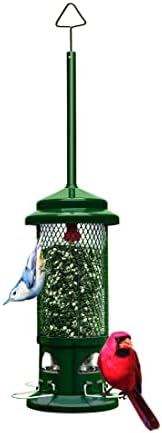
- BCGarden Score9.2
BCGarden scores from 0 to 10 are automatically scored by our AI consumer report tool based upon the data collected. This score has no relationship or impact from any manufacturer or sales agent websites. Learn more
- BrandBrome
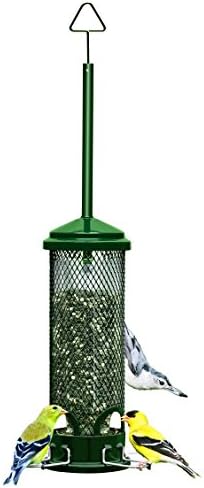
- BCGarden Score9.2
BCGarden scores from 0 to 10 are automatically scored by our AI consumer report tool based upon the data collected. This score has no relationship or impact from any manufacturer or sales agent websites. Learn more
- BrandBrome

- BCGarden Score9.4
BCGarden scores from 0 to 10 are automatically scored by our AI consumer report tool based upon the data collected. This score has no relationship or impact from any manufacturer or sales agent websites. Learn more
- BrandBrome

- BCGarden Score9.0
BCGarden scores from 0 to 10 are automatically scored by our AI consumer report tool based upon the data collected. This score has no relationship or impact from any manufacturer or sales agent websites. Learn more
- BrandBrome

- BCGarden Score8.8
BCGarden scores from 0 to 10 are automatically scored by our AI consumer report tool based upon the data collected. This score has no relationship or impact from any manufacturer or sales agent websites. Learn more
- BrandBrome

- BCGarden Score9.0
BCGarden scores from 0 to 10 are automatically scored by our AI consumer report tool based upon the data collected. This score has no relationship or impact from any manufacturer or sales agent websites. Learn more
- BrandBrome
Last update on 2026-11-22 / Affiliate links / Images, Product Titles, and Product Highlights from Amazon Product Advertising API
Yards where squirrels empty every feeder
If squirrels treat your current feeder as a daily buffet, the squirrel proof tube feeders are the core of this brand and the main reason to buy one. A weight activated mechanism closes the seed ports when a heavy animal climbs on, while light songbirds feed undisturbed. Choose this group if seed loss, not seed price, is your biggest frustration.
Cardinal fans who want birds to linger
Cardinals are ground feeders by habit and feel exposed on small perches, so they visit more readily when a feeder offers a wide ring or tray to stand on. If cardinals top your wish list, look for the sizes that accept a cardinal ring or come with a broad feeding ledge. Our guide to the best bird feeder for cardinals explains the perch and placement details that keep them coming back.
Busy households that refill too often
A feeder that runs dry every second day trains birds to feed elsewhere. The large capacity end of this lineup holds several pounds of seed at once, which suits people who travel, work long hours, or hang feeders where a ladder is needed for refills. Pick a bigger reservoir if your main goal is a feeder that stays stocked for a week or more.
The squirrel proof closing mechanism
Every feeder in this range uses body weight to close the feeding ports, either through a spring loaded shroud or ports that slide shut under load. The setting matters, because a mechanism adjusted too lightly can close on a heavy cardinal, while one set too firmly lets a small squirrel feed. Look for a design you can calibrate without tools, and check that seed cannot spill when the ports snap shut. This single feature is what separates the brand from a standard tube feeder.
Seed capacity and refill rhythm
Capacity in this lineup ranges from under a quart on the compact feeders to around five pounds of seed on the largest. Match capacity to your feeding traffic, not just your yard size, because a busy yard can empty a small tube in two days. Bigger reservoirs also keep seed fresher in wet weather, since the top layer shields the rest. Weigh the feeder when full before choosing a mounting spot, because a large feeder full of seed is heavier than most people expect.
Perches for clinging and perching birds
Chickadees and finches cling happily to short pegs, while cardinals and jays need a stable stand. Some feeders in the range offer adjustable perches or an optional ring that gives larger birds a place to face forward while they eat. Think about the species you see most and choose the perch style that fits them. Metal perches also hold up better against chewing than thin plastic ones.
Materials and weather resistance
The tubes are typically UV stable clear plastic so you can see the seed level at a glance, and the moving parts and perches are metal where squirrels chew hardest. A roof that overhangs the ports keeps rain from soaking the seed tray. Materials decide how the feeder looks after three winters outside, so favor designs with replaceable parts rather than sealed units you must throw away.
Seed ventilation and freshness
Stale, damp seed is the fastest way to empty a yard of birds, so airflow through the tube matters more than most buyers realize. Ventilation holes near the base let moisture escape instead of fogging the tube and clumping the seed. A seed diverter at the bottom also pushes the last seed out to the ports, so birds can reach all of it and old seed does not sit and mold.
Warranty and spare parts
This brand is known for long warranty coverage and a parts program, which changes the value math against cheaper feeders. A cracked tube or worn spring that you can replace for a few dollars beats buying a whole new feeder. Before you buy, confirm that tubes, perches, and springs for your size are listed as spare parts. That support is a real reason the larger feeders cost more upfront.
The core lineup is tube feeders for mixed seed and sunflower, offered in several capacities with the same closing mechanism. Alongside them sit smaller specialty styles, such as nyjer feeders with fine ports for goldfinches and suet feeders for woodpeckers in winter. Start from the seed you plan to serve, then pick the smallest capacity that covers your refill rhythm.
Two popular feeder types sit outside this brand entirely. If you want photos and species alerts on your phone, that is a smart feeder purchase covered in our guide to the best bird feeder with camera. Nectar feeding is also separate, so hummingbirds need a dedicated unit from our guide to the best bird feeder for hummingbirds rather than anything in this seed feeder range.
Smaller feeders in the lineup cost around $40 to $70 and suit a single pole near the house. Mid sized versions run about $70 to $120 and add capacity, sturdier perches, and easier calibration. The largest feeders reach about $120 to $180, and the extra money mostly buys seed volume and heavier hardware, not a different feeding experience. Spend up a step if squirrels are relentless, and save the difference if your yard is quiet.
- Hanging the feeder where a squirrel can lean in from a branch or fence rail and eat without putting its weight on the perches, which defeats the closing mechanism.
- Leaving the tension at the factory setting even when heavy birds trip it or light squirrels fail to, instead of calibrating it to your yard.
- Filling the tube with cheap mixed seed full of filler grains that birds kick out, which piles waste under the feeder and draws rodents.
- Letting wet seed cake inside the tube for weeks, which grows mold that can make visiting birds sick.
- Mounting the feeder within jumping range of a fence or low roof, since a determined squirrel will simply leap across.
Take the feeder apart and wash it with hot soapy water about every two weeks, then rinse and dry it fully before refilling. Most parts in this range separate without tools, and some can go through a dishwasher, which makes the routine realistic. If you see a bird with swollen eyes or crusty growths at the feeder, take the feeder down for a week and clean it before rehanging, because sick birds spread disease at crowded ports.
Store seed in a sealed metal can in a cool dry spot, since seed stored in a damp garage bag turns stale before it reaches the feeder. In deep winter, knock ice off the ports after storms so the mechanism moves freely. Check the spring and shroud each season, and order a replacement part at the first sign of a crack rather than waiting for a full failure.
Are Brome bird feeders really squirrel proof?
They are squirrel resistant in a way most feeders are not, because the ports close under a squirrel weight while staying open for songbirds. Success depends on placement, since a squirrel that can feed without climbing on the feeder never triggers the mechanism. Keep roughly ten feet of clear space from launch points such as fences and branches, or add a pole baffle, and the design works as intended.
How often should you clean a Brome bird feeder?
A wash every two weeks suits most yards, and weekly cleaning is wiser during wet spells or when many finches visit, since finches spread eye disease easily. Hot soapy water and a full dry are enough for routine care. Once a month, a soak in a diluted bleach solution followed by a long rinse adds a deeper clean for the tube and seed tray.
Do cardinals feed from Brome bird feeders?
Yes, cardinals feed readily once the feeder offers a perch they can stand on and face forward. Sizes that accept a cardinal ring or have a wide ledge suit them best, and black oil sunflower seed is the food that holds their interest. Place the feeder near shrubs rather than in the open, because cardinals like a quick escape route after each visit.
How much seed does a large Brome bird feeder hold?
The largest feeders in the range hold around five pounds of seed, which can mean a week or more between refills in an average yard. Very busy yards with flocks of finches and sparrows will still empty one faster, so watch the level during peak migration weeks. Buying capacity above your traffic is harmless, but remember a full large feeder needs a sturdy pole.
Can a Brome bird feeder stay outside all winter?
Yes, the materials are made for year round outdoor use, and the moving parts keep working in cold weather as long as ice does not lock the shroud. Brush snow off the roof after storms and check that the ports open freely on very cold mornings. Winter is when the feeder earns its keep, since natural seed is scarce and birds rely on stocked feeders most.
The right choice comes down to matching mechanism, capacity, and perch style to the birds in your yard. Use the product table above to compare sizes at a glance, then confirm the spare parts and warranty support for the one you pick. For most squirrel plagued yards, the best brome bird feeder is simply the size you will keep clean, filled, and hung out of leaping range.


Best Gardening Gloves for Roses in 2026: Thorn Protection That Still Lets You Work

Best Hardware Cloth for Raised Garden Beds: Budget, Midrange, and Premium Picks
Best Large Planters: Types Compared and How to Choose

Best Window Boxes: A Buyer's Sizing and Material Guide

Best Bird Feeder for Cardinals: How to Attract Cardinals in 2026

Best Indoor Electric Composters: What You're Really Buying
Best Gardening Gloves for Small Hands in 2026: A Buying Guide
Best Gardening Boots USA in 2026: Which Type Is Right for You?








