
Best Electric Compost Bins in 2026: A Buying Guide
Finding the best electric compost bin starts with understanding what these countertop machines actually do. They heat, dry, and grind food scraps into a small volume of dry grounds in a few hours, which is fast and nearly odor free. That output is not finished compost, though, and the size, filter costs, and running habits decide whether a unit suits your kitchen.
This guide compares the factors that separate one electric unit from another, from bucket capacity to filter life. If you are still weighing electric processing against outdoor methods, our overview of the best compost bin styles covers the full range. The comparison table below sums up the main countertop options.
Compare Products

Food Cycler Eco 5 Award-Winning Kitchen Food Recycler | Indoor
- BCGarden Score8.6
BCGarden scores from 0 to 10 are automatically scored by our AI consumer report tool based upon the data collected. This score has no relationship or impact from any manufacturer or sales agent websites. Learn more
- BrandFood Cycler
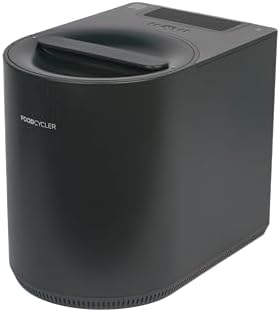
Food Cycler Eco 3 Compact Kitchen Food Recycler | Indoor
- BCGarden Score9.0
BCGarden scores from 0 to 10 are automatically scored by our AI consumer report tool based upon the data collected. This score has no relationship or impact from any manufacturer or sales agent websites. Learn more
- BrandFood Cycler

- BCGarden Score8.6
BCGarden scores from 0 to 10 are automatically scored by our AI consumer report tool based upon the data collected. This score has no relationship or impact from any manufacturer or sales agent websites. Learn more
- BrandOuaken

iDOO Electric Composter for Kitchen, 3L Countertop Compost Bin, Odorless
- BCGarden Score8.8
BCGarden scores from 0 to 10 are automatically scored by our AI consumer report tool based upon the data collected. This score has no relationship or impact from any manufacturer or sales agent websites. Learn more
- BrandiDOO

- BCGarden Score8.6
BCGarden scores from 0 to 10 are automatically scored by our AI consumer report tool based upon the data collected. This score has no relationship or impact from any manufacturer or sales agent websites. Learn more
- BrandNatridy

- BCGarden Score9.4
BCGarden scores from 0 to 10 are automatically scored by our AI consumer report tool based upon the data collected. This score has no relationship or impact from any manufacturer or sales agent websites. Learn more
- BrandGrowell

- BCGarden Score9.6
BCGarden scores from 0 to 10 are automatically scored by our AI consumer report tool based upon the data collected. This score has no relationship or impact from any manufacturer or sales agent websites. Learn more
- BrandN/A

1 Gallon Electric Composter with Smart Touch Screen, Whisper-Quiet &
- BCGarden Score8.6
BCGarden scores from 0 to 10 are automatically scored by our AI consumer report tool based upon the data collected. This score has no relationship or impact from any manufacturer or sales agent websites. Learn more
- BrandKEEPEEZ

- BCGarden Score8.6
BCGarden scores from 0 to 10 are automatically scored by our AI consumer report tool based upon the data collected. This score has no relationship or impact from any manufacturer or sales agent websites. Learn more
- BrandN/A

GEME World First Bio Smart 19L Electric Composter for Kitchen,
- BCGarden Score8.0
BCGarden scores from 0 to 10 are automatically scored by our AI consumer report tool based upon the data collected. This score has no relationship or impact from any manufacturer or sales agent websites. Learn more
- BrandGEME All Things Live Forever and In Harmony with The Earth

- BCGarden Score7.8
BCGarden scores from 0 to 10 are automatically scored by our AI consumer report tool based upon the data collected. This score has no relationship or impact from any manufacturer or sales agent websites. Learn more
- BrandN/A
Last update on 2026-11-17 / Affiliate links / Images, Product Titles, and Product Highlights from Amazon Product Advertising API
Apartment cooks with no outdoor space
If your only composting option is a countertop, an electric unit turns daily scraps into a dry, shelf stable material without smells or fruit flies. Choose a compact footprint and a quiet cycle you can run overnight. The output takes little storage room, which matters when every cupboard is spoken for.
Gardeners who want a soil booster on demand
Gardeners who already compost outdoors often add an electric unit for winter and for cooked scraps that outdoor piles handle poorly. The dry grounds can be cured in soil or folded into an existing pile to finish. Pick a larger bucket if your household cooks from scratch most nights and fills a small unit before dinner ends.
Households bothered by smells and pests
A sealed crock of scraps on the counter ferments fast in warm weather, and an outdoor bin can draw raccoons. An electric cycle ends that problem by drying scraps the same day they are made. This group should weigh filter quality and lid sealing above raw capacity, because odor control is the whole point of the purchase.
Bucket capacity and batch rhythm
Capacities run from roughly two liters on slim units to around five liters on family sized ones. A small bucket is fine for one or two people, but a household that juices, peels, and trims daily will overflow it by evening. Remember the bucket must not pass its fill line, or the cycle dries unevenly and leaves wet pockets. Match the size to your busiest cooking day, not your average one.
Cycle time and drying heat
Most cycles run about three to eight hours depending on how wet the load is. The machine heats the scraps, evaporates the water, and grinds the dried remains, so a load of melon rinds takes far longer than a load of bread crusts. Faster is not always better, since a thorough dry is what stops odor and mold in storage. Look for a unit that senses moisture and ends the cycle when the grounds are actually dry.
Filters and the real running cost
Odor control relies on charcoal filters that saturate over time, and replacements are the ongoing cost of ownership. Some designs use refillable filter pellets, while others take sealed cartridges that cost more per year. Ask how many cycles a filter lasts and what a year of replacements costs before you compare sticker prices. A cheaper machine with pricey cartridges can cost more by the second year.
What the output is, and what it is not
The grounds that come out are dehydrated, ground food, not living compost full of microbes. Buried straight around plants in a thick layer, they can pull nitrogen from the soil as they break down. The safe uses are mixing grounds into soil at a modest ratio, adding them to an outdoor pile to finish, or curing them in a bin of soil for a few weeks. Choose a machine with this step in mind, and be wary of any claim that the output feeds plants the same day.
Noise, energy use, and counter space
The grinding stage makes a low hum, and cycles running overnight bother light sleepers in studio apartments. Energy use per cycle is roughly comparable to running a small appliance for a few hours, so daily cycles add up on the power bill. Measure your counter depth and the clearance under cabinets, because a tall unit with a lid that opens upward needs more room than its footprint suggests.
Cleaning and food safety
A removable bucket that can go in the dishwasher makes the habit stick, and a self cleaning cycle that runs with water alone helps between deep cleans. The interior gets hot during operation, so a lid lock and cool exterior matter in homes with small children. Keep the unit on a GFCI protected kitchen outlet near the sink, as you would any appliance that heats water laden scraps.
Most owners keep a small crock by the cutting board and transfer scraps into the machine each evening. If you like a holding step with its own lid and filter, our guide to the best kitchen compost bin options covers countertop crocks that pair well with an electric processor. Frozen scraps can go straight in, and chopping large items such as corn cobs into chunks first shortens the cycle.
Know the limits before you buy. Small soft bones and coffee grounds are fine in most units, but large bones, cooking oil, and very fibrous husks are not. Keep a simple rule on the fridge door for the whole household, because one load of oily leftovers can coat the bucket and the filter and take several plain cycles to clear.
Electric units process kitchen scraps only, and they do nothing for autumn leaves or grass clippings. If your real problem is yard waste volume, our guide to the best tumbler compost bin designs points to a garden tumbler that handles bulky material at no running cost. Gardeners who want true finished compost indoors without heat or grinding should look at the best worm compost bin route instead, which trades speed for a living castings harvest.
- Filling past the marked line, which leaves the middle of the load damp and sour smelling when the cycle ends.
- Adding cooking oil, sauces, or large bones, which coat the bucket and jam the grinding arms.
- Spreading fresh grounds thickly around seedlings, which can starve roots of nitrogen as the material wakes up in the soil.
- Skipping filter changes until odor returns, by which point the charcoal is saturated and the kitchen smells during every cycle.
- Running the unit with the lid seal dusty or damp, which lets steam and smell escape around the rim.
Wipe the bucket and lid seal after each cycle and run the self cleaning mode weekly if your unit offers one. Dry grounds left in the bucket absorb moisture from the air and cake onto the grinding arms, so empty the bucket once the cycle cools. Note the filter change date on a strip of tape on the machine, because a filter swapped on time protects both odor control and the fan motor.
Once a month, check the vents for dust and the power cord for damage, and descale only with methods the manual allows. Store finished grounds in a sealed container in a dry spot, and use older batches first. If the machine will sit unused for a holiday, run an empty cleaning cycle and leave the lid ajar so the interior stays dry.
Are electric compost bins worth it?
They are worth it when the alternative is scraps in the trash, because you gain odor free processing in any kitchen with an outlet. The value drops if you already run a healthy outdoor pile that takes everything you produce. Count filter costs and electricity in the decision, since the purchase price is only part of what the machine costs to own.
Is the output of an electric compost bin real compost?
No, the output is dried and ground food matter that still needs soil microbes to finish the job. Mixed into garden soil at a light ratio or added to an outdoor pile, it becomes compost over the following weeks. Think of the machine as the first step of composting rather than the whole process, and the results will meet your expectations.
How much electricity does an electric compost bin use?
Most units draw roughly the power of a countertop appliance and use around one kilowatt hour for a typical cycle, varying with load wetness. Running a cycle every day adds a modest but real amount to a monthly bill. Drier loads, such as bread and vegetable trimmings, finish faster and use less energy than loads full of melon and soup leftovers.
Can you put bones in an electric compost bin?
Small soft bones such as chicken and fish bones are fine in most units, while large beef or pork bones are too hard for the grinding arms. When in doubt, leave a bone out, because a jammed cycle mid load is a messy cleanup. Eggshells, coffee grounds, and filters are safe additions that also help the texture of the finished grounds.
How do you clean an electric compost bin?
Start by emptying the grounds and wiping the bucket with a damp cloth once it cools. Most buckets lift out and tolerate the dishwasher, and many machines run a water only cleaning cycle for the interior. Clean the lid seal and the area around the vents weekly, since fine dust from dry grounds settles there and can shorten filter life.
Size the bucket to your busiest cooking day, budget for filters, and plan how you will cure the grounds before the machine arrives. The product table above makes the capacity and cycle differences easy to compare. Chosen with clear expectations, the best electric compost bin turns a smelly daily chore into a quiet background routine.


Best Compost Bin Buying Guide for 2026

Best Bokashi Bran

Best Compost Bin Odor Filter

Best Kitchen Compost Caddy

Best Compost Bin Rodent Barrier

Best Compost pH Tester
Best Three-Bin Composting System

Best Compost for Raised Beds: What Actually Makes Compost Worth Using








