Best Electric Leaf Blower: What to Know Before You Buy
Electric leaf blowers have come a long way from the underpowered, tangled-cord tools people remember from a decade ago. Today's models range from featherweight handheld units to backpack-style blowers that rival gas power, and picking the best electric leaf blower means understanding a few things that never show up in a headline spec. The motor inside the housing, not just the voltage on the label, has a bigger effect on performance and longevity than most shoppers realize. This guide breaks down what actually separates a good electric blower from a mediocre one, from motor type to the corded-versus-cordless decision.
Compare Products

EGO Power+ Cordless Electric Leaf Blower, 880 CFM, Two Batteries
- BCGarden Score9.2
BCGarden scores from 0 to 10 are automatically scored by our AI consumer report tool based upon the data collected. This score has no relationship or impact from any manufacturer or sales agent websites. Learn more
- BrandEGO Power+
- BCGarden Score9.0
BCGarden scores from 0 to 10 are automatically scored by our AI consumer report tool based upon the data collected. This score has no relationship or impact from any manufacturer or sales agent websites. Learn more
- BrandN/A

- BCGarden Score8.8
BCGarden scores from 0 to 10 are automatically scored by our AI consumer report tool based upon the data collected. This score has no relationship or impact from any manufacturer or sales agent websites. Learn more
- BrandN/A

Leaf Blower Cordless, New Upgraded 1200W Brushless Motor Leaf Blower,
- BCGarden Score8.6
BCGarden scores from 0 to 10 are automatically scored by our AI consumer report tool based upon the data collected. This score has no relationship or impact from any manufacturer or sales agent websites. Learn more
- BrandMTKOALA

- BCGarden Score9.2
BCGarden scores from 0 to 10 are automatically scored by our AI consumer report tool based upon the data collected. This score has no relationship or impact from any manufacturer or sales agent websites. Learn more
- BrandN/A

- BCGarden Score9.0
BCGarden scores from 0 to 10 are automatically scored by our AI consumer report tool based upon the data collected. This score has no relationship or impact from any manufacturer or sales agent websites. Learn more
- BrandCRAFTSMAN

- BCGarden Score8.6
BCGarden scores from 0 to 10 are automatically scored by our AI consumer report tool based upon the data collected. This score has no relationship or impact from any manufacturer or sales agent websites. Learn more
- BrandWOLFMEN

- BCGarden Score9.0
BCGarden scores from 0 to 10 are automatically scored by our AI consumer report tool based upon the data collected. This score has no relationship or impact from any manufacturer or sales agent websites. Learn more
- BrandLOSART
- BCGarden Score9.4
BCGarden scores from 0 to 10 are automatically scored by our AI consumer report tool based upon the data collected. This score has no relationship or impact from any manufacturer or sales agent websites. Learn more
- BrandWORX

- BCGarden Score9.4
BCGarden scores from 0 to 10 are automatically scored by our AI consumer report tool based upon the data collected. This score has no relationship or impact from any manufacturer or sales agent websites. Learn more
- BrandBLACK+DECKER
Last update on 2026-10-11 / Affiliate links / Images, Product Titles, and Product Highlights from Amazon Product Advertising API
Almost every electric leaf blower uses one of two motor designs, and the difference affects power, runtime, and how long the tool lasts. Understanding it upfront makes the rest of the shopping process much easier.
Brushed Motors
Brushed motors are the older, simpler design. Physical carbon brushes make contact with a spinning commutator to generate motion, which creates friction, heat, and gradual wear. They're cheaper to manufacture, which is why you'll find them on entry-level and budget electric blowers, but they lose efficiency over time and typically have a shorter service life.
Brushless Motors
Brushless motors use electronic controllers instead of physical contact points, so there's less friction, less heat, and no brushes to wear down. The result is more power delivered per watt of electricity, longer runtime on the same battery, and a motor that generally outlasts a brushed equivalent by years. Nearly every higher-end battery blower on the market now uses brushless technology, and it's the single biggest factor separating premium models from bargain-bin ones.
Once you understand the motor, the next decision is how the electric blower gets its power in the first place.
Corded Electric
A corded blower plugs directly into an outlet, so it never runs out of charge and tends to be the lightest option in its power class since there's no battery pack to carry. The obvious limitation is the cord itself, which restricts range and turns into a hassle on anything but a small, outlet-accessible yard.
Cordless (Battery) Electric
Cordless blowers trade that unlimited runtime for full mobility. Battery capacity, measured in amp-hours, determines how long you can run before recharging or swapping packs, and if you already own other tools on the same battery platform, that compatibility often makes the decision easy.
Beyond motor type and power format, a handful of numbers on the box actually tell you something useful.
Amp Draw or Voltage
For corded models, amp draw is the best indicator of raw power. For cordless models, voltage sets the ceiling on how much power the motor can draw, though the actual output also depends on the motor's efficiency. This is one of the specs worth comparing across a shortlist before settling on the best electric leaf blower for your yard.
Air Volume and Air Speed
Look for both CFM (air volume) and MPH (air speed) rather than just one. A blower with strong air speed but low volume clears a narrow path quickly, while high volume with modest speed moves more debris over a wider area at once.
Noise Level
Electric motors are inherently quieter than gas engines, but noise still varies between models depending on housing design and airflow shape. If you live somewhere with noise restrictions or just want to avoid annoying neighbors, checking the decibel rating before you buy is worth the extra minute.
An electric blower that's technically powerful but exhausting to hold for ten minutes isn't actually the best electric leaf blower for regular use. Brushless motors tend to be lighter for the same output, and battery placement matters too. Blowers with the pack mounted close to your grip feel more balanced than ones with the weight hanging off the front, even if both weigh the same on a scale.
The right electric blower changes depending on what you're actually clearing and how big the space is.
Small Yards and Patios
A lightweight corded model or an entry-level battery unit handles most small properties without any need for extra runtime or power headroom. Weight and one-handed comfort matter more here than raw CFM, and either format can qualify as the best electric leaf blower for a space this size.
Mid-Size Residential Lots
This is where a brushless cordless blower earns its price premium. You get enough runtime to finish a typical lawn on a single charge, along with enough airflow to handle a moderate amount of leaves or grass clippings without multiple passes.
Larger Properties with More Trees
Once a yard has significant tree cover, a handheld electric blower, even a strong one, starts to feel undersized. A backpack-style electric blower with a high-capacity battery bridges the gap between handheld convenience and the sustained airflow larger properties actually need.
Are brushless motors worth the extra cost in an electric leaf blower?
Generally yes, especially for cordless models. Brushless motors deliver more runtime and power per charge and last significantly longer than brushed motors, which usually offsets the higher upfront price over time.
Is a corded or cordless electric leaf blower better?
Corded models are lighter and never lose power, making them a strong fit for small yards near an outlet. Cordless models trade some weight and runtime limits for the freedom to move anywhere on your property.
How much CFM does a good electric leaf blower need?
Most residential yards are well served by 350 to 450 CFM. Larger yards or heavier debris like wet leaves benefit from models in the 500 CFM range or higher.
Are electric leaf blowers as powerful as gas ones?
High-end electric models, particularly brushless cordless ones, now come close to mid-range gas blowers. Top commercial gas units still lead in sustained output, but for most homeowners the gap is no longer significant.
Do electric leaf blowers need maintenance?
Very little. There's no fuel to mix, no spark plug to replace, and no air filter to clean. Occasional battery care and keeping the intake vents clear of debris is about all an electric blower requires.
What voltage is best for a cordless electric leaf blower?
Higher voltage generally means more available power, but amp-hours matter just as much for real-world runtime. A mid-voltage blower with a large battery can outlast a higher-voltage model with a small one.
Picking the best electric leaf blower comes down to matching the motor type and power format to how you'll actually use it. A brushless motor is worth prioritizing whenever the budget allows, corded makes sense for small, accessible yards, and cordless wins for anyone who needs to move freely around a larger property. Get those pieces right and the rest of the spec sheet mostly takes care of itself.

Best Handheld Hedge Trimmer: When You Don't Need a Pole

Best Manual Lawn Edger: Half-Moon vs Rotary Star Wheel Explained

Best Hedge Trimmers: What to Know Before You Buy

Best Lawn Edger: What to Know Before You Buy

Best Hedge Trimmers for Thick Branches: What to Know Before You Buy

The Best Cordless Hedge Trimmer For Small Garden of 2026
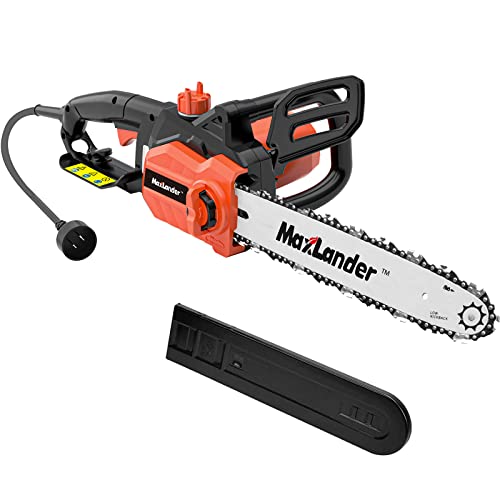
Best Electric Chainsaws of 2026: Top Picks for Every Budget
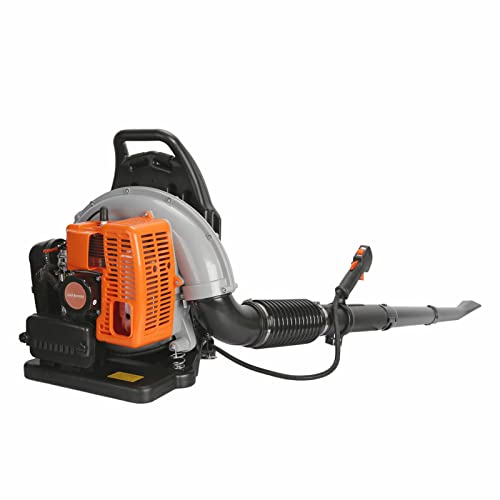
The Best Gas Backpack Leaf Blowers of 2026