
Best Gas Lawn Mowers for Small Yards Made Simple: A Clear Buying Guide for 2026
Buying your first mower can feel confusing, because listings throw around terms like deck size, engine power, and drive type with no explanation. This guide slows everything down and starts with the basics, so you can shop with confidence. If you want the best gas lawn mowers for small yards, the good news is that a compact lot needs a simpler, lighter machine than most people expect.
Below, you will learn what each spec actually means, which features matter on a small lot, and which extras you can safely skip. The product table gathers the main options in one place, and the sections after it explain how to read those listings like someone who has bought a mower before.
Compare Products

- BCGarden Score8.0
BCGarden scores from 0 to 10 are automatically scored by our AI consumer report tool based upon the data collected. This score has no relationship or impact from any manufacturer or sales agent websites. Learn more
- BrandBILT HARD
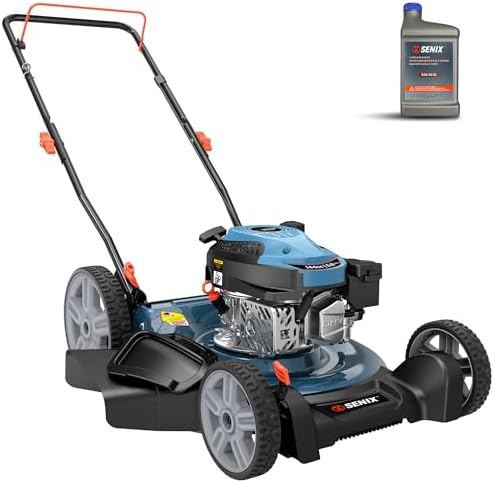
- BCGarden Score8.2
BCGarden scores from 0 to 10 are automatically scored by our AI consumer report tool based upon the data collected. This score has no relationship or impact from any manufacturer or sales agent websites. Learn more
- BrandSENIX

- BCGarden Score8.4
BCGarden scores from 0 to 10 are automatically scored by our AI consumer report tool based upon the data collected. This score has no relationship or impact from any manufacturer or sales agent websites. Learn more
- BrandSENIX

- BCGarden Score8.6
BCGarden scores from 0 to 10 are automatically scored by our AI consumer report tool based upon the data collected. This score has no relationship or impact from any manufacturer or sales agent websites. Learn more
- BrandPowerSmart

- BCGarden Score8.6
BCGarden scores from 0 to 10 are automatically scored by our AI consumer report tool based upon the data collected. This score has no relationship or impact from any manufacturer or sales agent websites. Learn more
- BrandPowerSmart

SENIX 20 Inch 144cc Push Lawn Mower Gas 4 Stroke
- BCGarden Score9.0
BCGarden scores from 0 to 10 are automatically scored by our AI consumer report tool based upon the data collected. This score has no relationship or impact from any manufacturer or sales agent websites. Learn more
- BrandSENIX
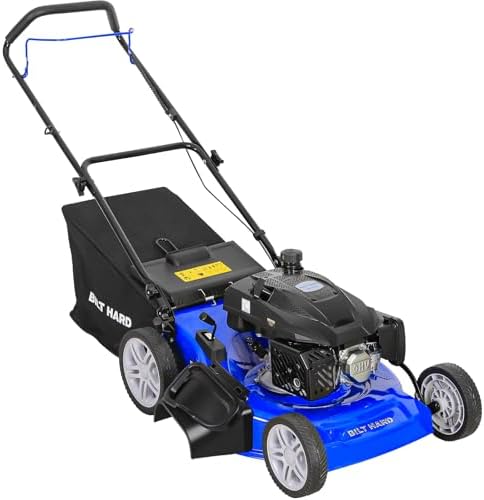
- BCGarden Score8.2
BCGarden scores from 0 to 10 are automatically scored by our AI consumer report tool based upon the data collected. This score has no relationship or impact from any manufacturer or sales agent websites. Learn more
- BrandBILT HARD
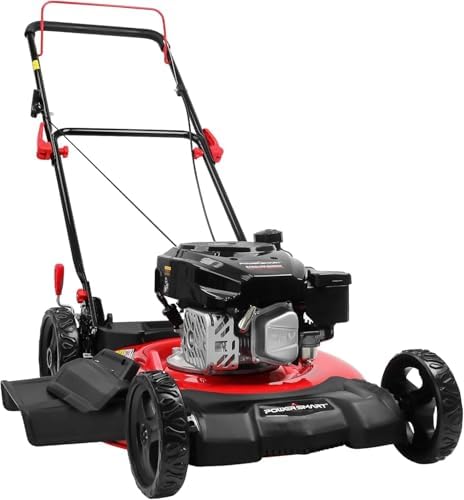
- BCGarden Score8.8
BCGarden scores from 0 to 10 are automatically scored by our AI consumer report tool based upon the data collected. This score has no relationship or impact from any manufacturer or sales agent websites. Learn more
- BrandPowerSmart

- BCGarden Score9.0
BCGarden scores from 0 to 10 are automatically scored by our AI consumer report tool based upon the data collected. This score has no relationship or impact from any manufacturer or sales agent websites. Learn more
- BrandYARDMAX
Last update on 2026-11-22 / Affiliate links / Images, Product Titles, and Product Highlights from Amazon Product Advertising API
A gas lawn mower cuts grass with a spinning steel blade driven by a small gasoline engine, much like a tiny car engine. You add fuel and engine oil, pull a starter cord or press a button on electric start models, and walk behind the machine as it cuts. The cut grass leaves through a side discharge chute, gets chopped fine and returned to the lawn as mulch, or collects in a rear bag.
Three words show up in almost every listing. The deck is the metal shell that covers the blade, and its width tells you how wide a strip the mower cuts in one pass. The drive describes how the mower moves: you supply the pushing force on a push model, while self propelled models power the wheels so you mostly steer. Cutting height is simply how tall the grass stands after a pass, and most mowers let you raise or lower the deck to change it.
Gas power suits small yards better than many first time buyers expect. You never wait on a battery charge, you can refuel in a minute, and the engine keeps full power on thick or slightly overgrown grass. If you want a shorter overview before reading on, see our guide to the best gas mowers for small yards for a quick summary of the main styles.
Once the basic terms make sense, the spec sheet becomes much easier to read. The five areas below are the ones that actually change how a mower feels and performs on a small lot.
Features That Matter for Small Yards
A small yard rewards maneuverability more than raw size. Look for a deck around 20 to 22 inches wide, which slips through garden gates and turns easily around flower beds, trees, and play equipment. Front wheels that swivel, or simply a lighter overall build, make tight corners less of a workout. A bag that removes in seconds also matters, because small lawns often sit close to beds where you switch between bagging and mulching often. Folding handles are worth having too, since storage space in a small home is usually as tight as the yard itself.
Measuring for Size and Portability
Before you order, measure three things: your gate width, the narrowest gap between obstacles in the yard, and the floor space where the mower will live. The deck should clear your gate with an inch or two to spare. Weight matters just as much, because a light mower is easy to lift over a step or hang on a garage wall hook, while heavier self propelled models can feel like a chore on a tiny lot. If your yard is flat and truly small, a simple push model is often the smarter match, and our guide to the best gas push mowers for small yards explains where push designs shine.
Power Source: Gas, Battery, or Corded Electric
Gas gives you the longest runtime and the strongest cut on thick grass, at the cost of noise, exhaust smell, and yearly engine care like oil changes and air filter swaps. Battery models start quietly at the push of a button and need almost no upkeep, but runtime is limited and thick spring growth can drain a pack fast; if that trade sounds right for you, see our guide to the best cordless lawn mowers for small yards. Corded electric models never run out of power and cost the least to run, yet the cord limits your reach and needs constant management around trees; our guide to the best electric lawn mowers for small yards covers who they suit best.
Deck Material and Build
Most walk behind mower decks are stamped steel, which is strong, common, and easy to find parts for, though it can rust if wet clippings sit inside it all season. Composite or polymer decks never rust and weigh less, and they hold up well for typical home use. Fabricated decks, built from welded steel plates, appear mostly on zero turn and riding machines rather than small walk behind models, so first time buyers rarely need to pay for that level of build. For a small yard, a sound steel or composite deck in good shape matters far more than the construction style.
Cutting Height Adjustment
Cutting height controls both the look of the lawn and the health of the grass. Most mowers offer a range around 1 to 4 inches, and healthy lawns usually sit between 2.5 and 3.5 inches depending on grass type. The adjustment style is what you will notice every week. Individual levers at each wheel are cheap but slow to set evenly, dual lever systems adjust the front and rear axle in pairs, and a single lever raises or lowers the whole deck in one motion. On a small yard where you adjust often for seasonal growth, a single lever or dual lever setup saves real time.
Most small yard buyers fall into a simple pattern: a flat lot under a quarter acre, a modest budget, and limited storage. Match the mower to that pattern and you will be happy. Oversized machines built for an acre of open grass, including most riding lawn mowers and tractors, simply add cost, weight, and turning hassle on a compact lot. If your property is bigger than it first looks and includes open ground, see our guide to the best riding lawn mowers for small yards before ruling riding models out.
Choosing on a Budget
Basic gas push mowers for small yards cost far less than self propelled or electric start models, and that is fine for a small, flat lawn. You will usually give up self propulsion, electric start, and sometimes the bag, so check whether mulching or side discharge alone meets your needs. Spend your limited budget on a sound engine and a deck that is not rusted or bent, because those two parts decide how long the mower serves you.
Most first purchase regrets come from a handful of avoidable errors. Watch for these before you buy and during your first season.
- Buying a deck too wide for your gate, so the mower cannot reach the back yard without lifting it over a fence.
- Choosing self propulsion for a tiny flat lawn, which adds weight and cost you feel every time you store the mower.
- Ignoring storage size, then discovering the mower and its handle take up half of a small shed.
- Skipping the oil check before the first start, which can damage a new engine in minutes.
- Cutting wet grass, which clumps under the deck, strains the engine, and leaves an uneven finish.
- Storing the mower all winter with untreated fuel inside, which gums up the carburetor and makes spring starting hard.
Unbox the mower on a flat surface and fold the handle up until it locks. Add the engine oil supplied or specified in the manual before anything else, then fill the tank with fresh gasoline outdoors, away from any flame. Check that the blade bolt feels tight and that the height levers sit at the same setting on every wheel, and set the deck to a middle height for your first cut.
On your first mow, walk at a steady, relaxed pace and overlap each pass by a few inches so no strips get missed. Follow the one third rule: never cut more than one third of the grass blade at once, because taking off more shocks the plant and leaves brown tips. If the lawn has grown tall while you shopped, raise the deck for the first pass and lower it a few days later. Keep blades sharp by sharpening or swapping the blade each season, since a dull blade tears grass instead of slicing it cleanly.
What features matter most in gas lawn mowers for small yards?
A compact deck, light weight, and easy height adjustment matter most. A deck around 20 to 22 inches turns easily around beds and fences, and a mower you can lift without strain gets stored properly instead of left outside. Folding handles help in tight sheds. Self propulsion, wide decks, and large engines add little on a small flat lot, so put your budget toward a reliable engine and a bag that empties without a fight.
How long does a gas lawn mower last?
A gas lawn mower typically lasts 8 to 10 years with basic care, and often longer on a small yard where it runs fewer hours each season. Oil changes, a clean air filter, and indoor storage away from rain are the habits that stretch its life. Engines from established makers also keep parts available for many years, which makes a midlife repair worthwhile instead of forcing a full replacement.
Should a mower for a small yard be self propelled?
Usually not. On a small flat lawn a push mower is lighter, cheaper, and easier to store, and you will barely notice the extra effort. Self propelled models make sense if your yard has slopes or if pushing a mower is hard on your body. Weigh the added cost and weight against how much of your lawn is uphill.
How often should I sharpen mower blades?
Sharpen mower blades at least once each season, and twice if you mow weekly or your yard has sandy soil that dulls edges faster. A practical sign is the grass itself: torn, frayed tips that turn pale a day after mowing mean the blade is ripping instead of cutting. Keep a spare sharpened blade on hand so a swap takes minutes and the mower never sits idle waiting on a shop.
Are battery mowers as good as gas lawn mowers?
Battery mowers match gas models for light, regular cutting on small lawns, and they win on quiet running and easy starts. Gas still pulls ahead on thick, tall, or damp grass, where torque matters and a battery drains quickly. Think about your grass more than the badge: a tidy lawn cut every week suits either power source, while a yard that often grows wild between cuts is safer in gas hands.
What size gas lawn mower do I need for a small yard?
For a yard under a quarter acre, a deck of 20 to 22 inches is the right size. That width finishes a small lawn in a reasonable number of passes while still fitting through gates and between plantings. Going smaller, around 18 inches, slows the job noticeably, and going wider adds turning effort without saving much time. Match engine size to the deck; makers pair them sensibly, so focus on the deck width and weight first.
For a first purchase, keep your priorities short: a deck that fits your gate and your yard, a weight you can handle easily, and height adjustment you will actually enjoy using. The product table above pulls those choices together, so compare it against your gate width and storage space before you decide. Chosen well, best gas lawn mowers for small yards are not the biggest or most powerful models at all, but the compact, simple machines that make a weekly cut feel quick and easy.


Best GPS Robot Lawn Mower for 2026: A Practical Buying Guide

Best Cub Cadet Snow Blower: How to Choose by Yard and Snowfall for 2026

Best Loading Ramps for Zero Turn Mowers Made Simple: A Clear Buying Guide

Best 20 Ton Log Splitter for 2026: How to Pick the Right One

Best Cordless Lawn Edgers in 2026: A Practical Buying Guide
Best Electric Start Walk Behind Lawn Mowers of 2026: Complete Buying Guide

Best Battery Leaf Blowers (2026): A Gardener's Buying Guide

Best DeWalt Pressure Washer for 2026: Reading the Lineup by the Work in Your Yard








