
Best Glass Greenhouse for 2026: Clear Light and Seasons That Start Early
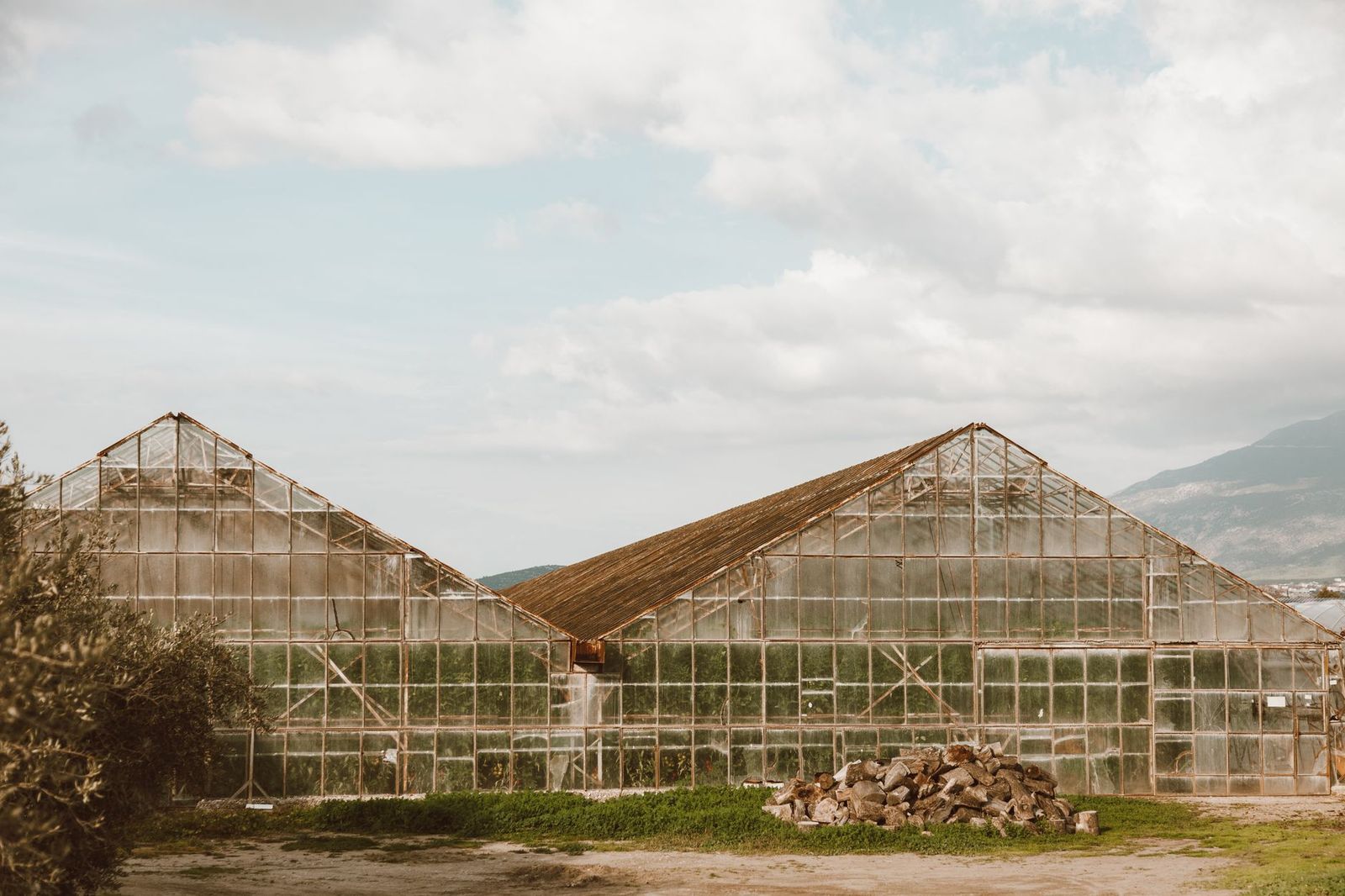
Glass is the original greenhouse glazing, and gardeners still choose it for one simple reason: nothing else lets light through as clearly or looks as good doing it. The best glass greenhouse turns that clarity into earlier seedlings, overwintered citrus and herbs, and a workspace you enjoy in every season. But glass also brings weight, cost, and real questions about safety and storms, so the details matter more here than with plastic panels.
This guide walks through glass types, frames, ventilation, and bases, the four areas where kits differ most. If you are still weighing greenhouse ownership in general, our broader guide to the best greenhouse options explains where glass fits among all materials.
Compare Products
Last update on 2026-11-15 / Affiliate links / Images, Product Titles, and Product Highlights from Amazon Product Advertising API
Orchard and Citrus Growers in Cool Climates
If you overwinter lemon trees, figs, or tender perennials, a glass house holds daytime heat into the evening better than thin plastic, and its rigid walls shrug off winter rain. Choose a model with room for pots along both walls and a door wide enough for a wheelbarrow, because overwintered trees move in and out twice a year.
Seed Starters Who Want Maximum Light
Seedlings grown under glass get bright, even light without the slight haze that aged plastic panels develop, so they grow stocky instead of leggy. Gardeners starting hundreds of plants each spring should favor benches on both sides, roof vents above the benches, and a size that fits their tray count with space to spare.
Homeowners Adding a Garden Room
For many buyers the greenhouse doubles as a retreat: a warm seat among plants on a bright winter day. If that is your plan, appearance and comfort lead the decision. Look for clean sight lines, a door that seals well, and space for a small chair and potting bench. Compact designs exist for tight yards too, and our guide to the best mini greenhouse range shows what smaller footprints can still grow.
Glass Type and Thickness
Kits use either horticultural glass or tempered safety glass. Horticultural glass is cheaper and easy to replace pane by pane, but it breaks into sharp pieces. Tempered glass costs more, is several times stronger, and crumbles into small blunt fragments when it fails, which is the safer choice around children and in hail country. Thicker tempered panes handle wind load better and feel far more solid in the frame. Ask which type a kit uses before comparing prices, because the two are rarely equal value.
Frame Material and Finish
Aluminum frames dominate the market because they never rot, need almost no upkeep, and their slim profiles block little light. Powder coat finishes in green, black, or white soften the look against a garden. Wood frames, usually cedar, insulate slightly better and suit traditional gardens, but they need oiling or staining every few years and cost more. Whatever the material, check how panes are held: bar capping that clamps glass along its full edge resists wind far better than small clips alone.
Ventilation and Automatic Openers
Glass traps heat quickly, and a sunny spring morning can push inside temperatures past what seedlings tolerate by noon. Aim for generous roof vent area, plus a louver or side vent low on the wall to pull cool air in. Automatic vent openers, which work on a wax cylinder and need no power, are the single best upgrade for gardeners who are away at work all day. Doors left ajar help, yet they also invite neighborhood cats and birds.
Base, Foundation, and Anchoring
A glass house is heavy and unforgiving of movement, so it needs a level, stable base. Most kits assume a steel plinth base set on a prepared foundation of slabs, gravel with a timber edge, or a concrete strip. Skipping the base to save money is the classic false economy: frames rack out of square, panes stress and crack, and doors stop closing. Follow the maker guidance on anchoring for your soil and wind exposure, since a glass structure that shifts even slightly shows it in the glazing first.
Winter Performance and Heat Retention
Single glass loses heat faster than twin wall plastic, so a glass house extends the season rather than defeating deep winter without added heat. Gardeners in cold zones should read our guide to the best greenhouse for winter growing before assuming glass alone will carry tropical plants through January. Bubble wrap liners clipped inside the frame are a cheap seasonal fix that cuts heat loss noticeably, and a small electric heater with a thermostat handles the coldest nights for a modest running cost.
The honest answer depends on your site. Glass wins on clarity, lifespan of the glazing itself, and looks; it does not yellow or turn brittle, and a well built frame can serve for decades. Plastic panels win on impact resistance, insulation, and price per square foot, and they diffuse light in a way that reduces leaf scorch. Our side by side guide to the best polycarbonate greenhouse models lays out panel grades in detail. Families with ball games in the yard, hail prone regions, and gardeners on a budget often land on plastic; gardeners prioritizing light quality and permanence usually land on glass.
Glass kits cost noticeably more than polycarbonate kits of the same size, and wood framed models run higher still. The base, vents, and any heating are extra, so budget the whole project rather than the kit alone when you compare quotes. Glass houses are also sold mainly through specialist greenhouse suppliers, so confirm shipping, delivery and replacement pane policies before you order.
- Building on unprepared ground, so the frame twists slightly and glass panes crack under stress within the first year.
- Undersizing ventilation, which lets midday heat spike and cooks seedlings before you get home.
- Choosing horticultural glass where children play ball nearby, when tempered panes would have been the safer call.
- Buying a size too small for your plans, because greenhouses fill up fast and extending one later rarely works cleanly.
- Forgetting a water source and power point inside, then running hoses and cables through the door all season.
Wash the glass inside and out each fall with warm water and a soft brush so algae and grime do not steal winter light. Check seals and glazing clips yearly, and replace perished rubber gaskets before leaks start. Oil door hinges and vent mechanisms each spring, and clear gutters where fitted so water does not back up into the frame. In snowy weather, brush heavy snow off the roof with a soft broom rather than letting it sit and load the panes.
How long does a glass greenhouse last?
The frame and glass of a quality kit can last 20 years or more, because glass itself does not degrade in sunlight. The parts that age are rubber seals, vent opener cylinders, and door hardware, all of which are replaceable. Wood frames need periodic treatment to reach the same lifespan, while aluminum frames ask for little beyond cleaning. Longevity depends most on a sound base, since movement, not weather, is what usually kills a glass house.
Does a glass greenhouse need a concrete foundation?
No, concrete is only one option. A level bed of compacted gravel with a timber or block edge, or a patio of slabs, works well for most backyard kits as long as the steel base sits flat and anchored. What matters is that the base is level in both directions and cannot shift with frost or heavy rain. Very large or exposed installations benefit from a concrete strip, and local rules sometimes require one.
How do you keep a glass greenhouse cool in summer?
Start with roof vents and a low side vent so hot air escapes at the top and cool air enters at plant level. Add shade cloth or wash on shading paint during the hottest months, because glass admits nearly all incoming light. A small solar powered fan helps in still climates. Watering paths and keeping a filled water butt inside also steady temperatures, since the water stores heat by day and releases it at night.
Is tempered glass worth the extra cost in a greenhouse?
For most families, yes. Tempered panes resist hail and stray balls far better than standard horticultural glass, and when they do fail they break into small blunt pieces instead of dangerous shards. The price gap has narrowed, and one avoided injury or one saved roof panel after a storm repays it. Gardeners in sheltered yards with no children around may still choose standard glass and spend the savings on automatic vents instead.
Can a glass greenhouse stay up all winter?
Yes, glass houses are permanent structures designed for year round use, and winter is when many owners value them most for overwintering and early sowings. Prepare by checking seals, clearing gutters, and confirming the heater and thermostat work before the first hard frost. In regions with heavy wet snow, choose a roof pitch that sheds snow and brush off accumulations after storms. Ventilation still matters on bright winter days, when sun can overheat a closed house by midday.
Decide by your site: tempered glass and a solid base for exposed or family yards, generous vents for sunny plots, and enough floor space for the way you really garden. Get those choices right and the best glass greenhouse for your home becomes a permanent, light filled room that starts your seasons early for decades.


Best Raised Bed Liners: Fabric, Metal, and Cardboard Compared

Best Cold Frame Greenhouse for 2026: Lids, Frames and Season Extension

Best Folding Wheelbarrow: A Buying Guide for 2026

Best Filler for Planters: Everything to Know Before Your First Purchase for 2026

Best Gardening Gloves for Men in 2026: A Buying Guide

Best Sealer for Raised Garden Beds: What Actually Matters Before You Buy

Best Terracotta Planters Made Simple: A Clear Buying Guide

Best Flowers for Window Boxes by Light Exposure








