
Best Granular Deer Repellent in 2026: How Granules Protect Your Beds
Deer can strip a bed of tulips or a row of young shrubs in a single night, and many gardeners prefer not to coat every leaf with spray. Granules offer a different approach: you shake them around the plants you want to protect and let scent and taste cues push deer to browse elsewhere. Finding the best granular deer repellent comes down to ingredients, coverage, and how the product holds up to rain, and the product table compares the leading styles.
This guide explains how granular formulas work, where they protect well and where they fall short, and how to apply them so the barrier stays convincing all season. For the full picture across sprays, devices, and granules, start with our guide to the best deer repellent and then come back to the granular details here.
Compare Products

- BCGarden Score8.8
BCGarden scores from 0 to 10 are automatically scored by our AI consumer report tool based upon the data collected. This score has no relationship or impact from any manufacturer or sales agent websites. Learn more
- BrandEPIC REPELLENTS

- BCGarden Score8.2
BCGarden scores from 0 to 10 are automatically scored by our AI consumer report tool based upon the data collected. This score has no relationship or impact from any manufacturer or sales agent websites. Learn more
- BrandEnviro Pro

- BCGarden Score9.0
BCGarden scores from 0 to 10 are automatically scored by our AI consumer report tool based upon the data collected. This score has no relationship or impact from any manufacturer or sales agent websites. Learn more
- BrandEPIC REPELLENTS

- BCGarden Score8.4
BCGarden scores from 0 to 10 are automatically scored by our AI consumer report tool based upon the data collected. This score has no relationship or impact from any manufacturer or sales agent websites. Learn more
- BrandLiquid Fence
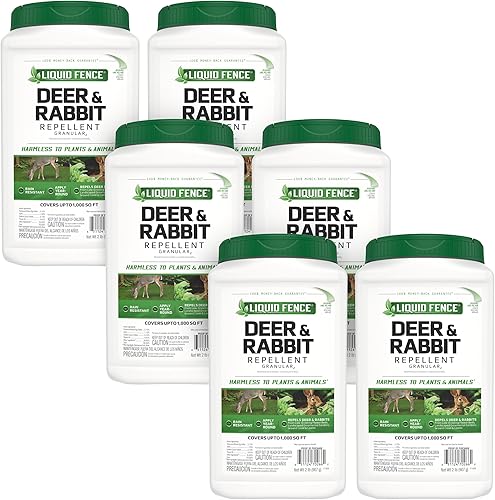
- BCGarden Score7.2
BCGarden scores from 0 to 10 are automatically scored by our AI consumer report tool based upon the data collected. This score has no relationship or impact from any manufacturer or sales agent websites. Learn more
- BrandN/A

- BCGarden Score8.0
BCGarden scores from 0 to 10 are automatically scored by our AI consumer report tool based upon the data collected. This score has no relationship or impact from any manufacturer or sales agent websites. Learn more
- BrandEverguard

- BCGarden Score7.6
BCGarden scores from 0 to 10 are automatically scored by our AI consumer report tool based upon the data collected. This score has no relationship or impact from any manufacturer or sales agent websites. Learn more
- BrandN/A

- BCGarden Score-
BCGarden scores from 0 to 10 are automatically scored by our AI consumer report tool based upon the data collected. This score has no relationship or impact from any manufacturer or sales agent websites. Learn more
- BrandRepellex

- BCGarden Score8.0
BCGarden scores from 0 to 10 are automatically scored by our AI consumer report tool based upon the data collected. This score has no relationship or impact from any manufacturer or sales agent websites. Learn more
- BrandEPIC REPELLENTS
Last update on 2026-11-22 / Affiliate links / Images, Product Titles, and Product Highlights from Amazon Product Advertising API
Gardeners Protecting Flower Beds and Borders
If deer work along your beds rather than deep into them, a granular perimeter suits you well. You scatter a band around the bed edge and around prized plants inside it, and deer meet the scent before they reach the foliage. This group needs a shaker top bag or jug for fast, even bands and a formula strong enough to register at ground level where deer noses travel.
Vegetable Gardeners Who Cannot Spray Edibles Near Harvest
Many spray labels restrict use close to harvest, and few gardeners enjoy coating lettuce with repellent. Granules stay on the soil around plants instead of on the parts you eat, which solves that problem neatly. Choose a formula labeled for use around vegetable gardens, and keep granules off the edible parts of plants, following the label directions for placement.
Property Owners Treating Long Shrub Lines and Edges
Long hedges, foundation plantings, and woodland edges eat up spray quickly, while granules spread fast with a scoop or a small broadcast spreader. Coverage per pound is your key number, because a big property can go through several bags a season. This group should also plan on rotation, since deer that feed in one place for months can grow used to a single scent.
Active Ingredients and How They Work
Most granular repellents rely on scent and taste deterrents such as dried blood, egg solids, garlic, and predator style scents, carried on a clay or grain base. Egg and blood based formulas signal danger to deer and work before browsing starts. Taste based ingredients matter when a curious deer samples anyway. Check the ingredient panel rather than the front label art, because two products with similar names can carry very different active loads, and a higher percentage of active ingredient usually means a stronger, longer lasting barrier.
Coverage Per Pound
Coverage tells you what a bag really costs. Labels state how many square feet a pound treats, and rates differ widely between light maintenance bands and heavy first applications. Measure your beds before you buy, then calculate bags per season with reapplication included. Gardeners protecting a few small beds can choose smaller bags that stay fresh, while long borders favor bulk sizes with a lower cost per pound. Our guide to the best deer repellent for gardens walks through bed by bed planning in more detail.
Rainfastness and Breakdown Speed
Granules sit on soil and mulch, so rain both activates scent and slowly breaks the carrier down. Some formulas claim several weeks of protection, but heavy rain and irrigation shorten that window in real gardens. A clay based carrier tends to linger longer than light organic meals, which soil microbes consume quickly. Plan to refresh bands after major storms, and expect faster breakdown in warm, wet weather when biological activity peaks in the soil.
Application Method
Shaker bags and jugs with perforated lids make neat bands around individual plants, while wide areas go faster with a handheld broadcast spreader. Think about where granules must not land, such as patios and play areas, because hand application gives you control that a spreader cannot. Granule size matters too: fine particles settle into mulch and stay hidden, while coarse granules remain visible on lawns, which some gardeners dislike near paths and seating areas.
Scent Strength for People
A repellent that offends deer may also greet your guests. Egg based products can smell strong for a day or two after application, especially in heat, then fade to a level people barely notice while deer still detect it. If your beds surround a patio or front walk, weigh formula strength against how close people sit and stroll. Applying in the evening gives the strongest scent hours to settle before morning coffee on the deck.
Safety Around Children, Pets, and Food Plants
Most granular deer repellents use food grade or naturally derived ingredients, but that does not make them snacks. Follow the label for use near vegetables, keep bags stored where children and dogs cannot reach them, and sweep granules off hard surfaces where pets walk. Dogs sometimes roll in strongly scented products, so watch pets after a fresh application. When in doubt about a specific ingredient near food crops, the label and your local extension service give the reliable answer.
Start before damage begins, ideally as soon as new growth appears in spring, because granules prevent browsing far better than they reverse a learned habit. Scatter a continuous band about two feet wide around beds, and add a light ring around individual plants deer love most. Refresh after heavy rain and every few weeks through the season, tightening the schedule when fawns begin feeding with the herd. Pair the barrier with our guide to the best spray deer repellent on the most prized plants, since layering scent at ground level with taste protection on foliage convinces deer faster than either method alone. For stubborn herds, motion activated options in our guide to the best ultrasonic deer repellent add a third line of defense.
- Waiting until deer have already fed for a week, then expecting granules to erase an established feeding habit overnight.
- Scattering a thin, broken line with gaps that deer step through without ever catching the scent.
- Applying right before heavy rain without a follow up visit, so the first barrier washes away unnoticed.
- Using the same single formula all season while local deer gradually learn to ignore its scent.
- Pouring granules directly onto edible leaves and fruit instead of keeping them on the soil as labels direct.
Granules lose strength when they absorb moisture, so reseal the bag tightly, store it in a dry shed or garage, and keep it off concrete floors where damp creeps in. Buy sizes you will finish within a season or two, because old product that has clumped and faded rarely performs like fresh stock. Keep a simple note on the bag with the date you opened it and the beds you treated, which makes rotation between two formulas easy to track across the season.
How long does granular deer repellent keep working?
Most products protect for several weeks in mild weather, and less during rainy stretches. Warm rain speeds the breakdown of organic carriers, so check your bands after storms and scatter a light refresh wherever the line looks thin. Consistent light reapplications beat one heavy application, because deer judge the barrier by the scent they meet on their next visit, not by what you applied last month.
Are granular repellents safe to use around vegetable gardens?
Many formulas are labeled for use around vegetables when applied to the soil and kept off the parts you eat, but labels differ between brands. Read the specific product label before treating near food crops, wash produce before eating as you always should, and keep granules out of the root zone of shallow herbs if the label advises distance. When a label is unclear, choose a formula that states vegetable garden use plainly.
Do granular deer repellents smell bad to people?
Egg and blood based formulas have a noticeable scent for the first day or two, stronger in hot weather, then settle to a mild background odor most people stop noticing. Deer have far more sensitive noses and keep detecting the scent after people cannot. If a bed borders a patio, apply in the evening and start with a modest band, then widen it once you know how the scent behaves in your space.
Can I use granular repellent and spray repellent together?
Yes, and the pairing is one of the most reliable strategies for high pressure areas. Granules guard the soil line and bed edges, while spray coats the foliage deer actually bite. Using two different scent profiles also slows the learning process, because deer cannot settle on one cue to ignore. Rotate at least one of the two products during the season to keep the combined message fresh.
Why did deer walk straight through my granular barrier?
The usual causes are gaps in the band, product washed out by rain, or deer that were already feeding there before you applied. Very hungry deer in late winter may also push past scent barriers that work fine in summer. Close the gaps, refresh after rain, and protect the most valuable plants with a physical cover or fencing for a few weeks until the habit breaks and the scent barrier can hold on its own.
Granules work best as a maintained barrier, not a one time cure. Choose a formula with a solid active ingredient load, measure your beds so coverage math is honest, and commit to refreshing bands after storms. Check the options in the product table above, start early in the season, and the best granular deer repellent for your garden will keep deer browsing the woods instead of your beds.


Best Bird Netting for Garden Beds and Fruit Trees

Best Deer Repellent for Hostas in 2026: Keep Every Leaf Intact

Best Gopher Trap for Protecting Lawns and Beds
Best Tick Tube for Yard Control

Best Vole Traps for Protecting Your Garden Beds

Best Deer Repellent Spray

Best Mole Repellent Stakes

Best Squirrel Repellent for Garden








