Best Watering Can
A hose or sprinkler is not always the right tool for the job. Indoor plants, seedlings, hanging baskets, and container gardens often need a gentler, more controlled pour, and that is exactly where a good watering can earns its place. The best watering can balances a comfortable capacity with a spout design that delivers water exactly where you want it, without splashing soil everywhere or straining your wrist halfway through the job. It sounds like a simple purchase, but the differences between a well-designed can and a frustrating one show up the very first time you use it, usually right around the twentieth pot in a long watering round. Here is what actually matters when choosing one.
Compare Products
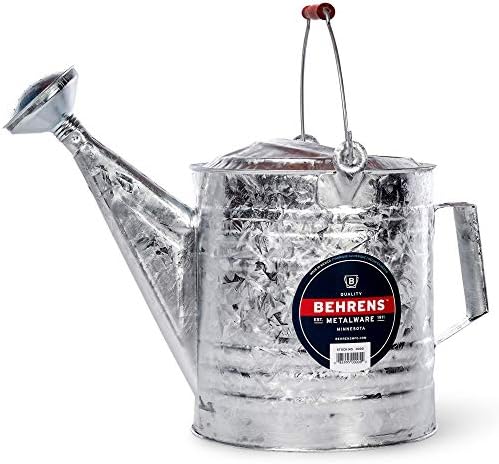
- BCGarden Score9.0
BCGarden scores from 0 to 10 are automatically scored by our AI consumer report tool based upon the data collected. This score has no relationship or impact from any manufacturer or sales agent websites. Learn more
- BrandBehrens

- BCGarden Score8.8
BCGarden scores from 0 to 10 are automatically scored by our AI consumer report tool based upon the data collected. This score has no relationship or impact from any manufacturer or sales agent websites. Learn more
- BrandGiftsfaloy

- BCGarden Score9.2
BCGarden scores from 0 to 10 are automatically scored by our AI consumer report tool based upon the data collected. This score has no relationship or impact from any manufacturer or sales agent websites. Learn more
- BrandCHAPIN
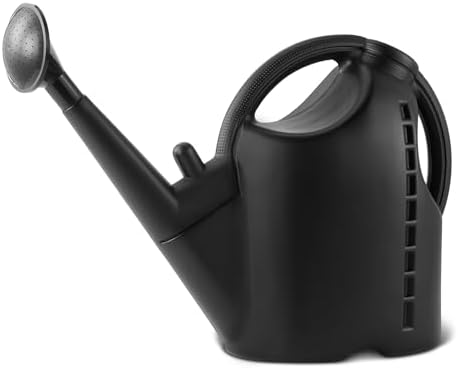
- BCGarden Score9.0
BCGarden scores from 0 to 10 are automatically scored by our AI consumer report tool based upon the data collected. This score has no relationship or impact from any manufacturer or sales agent websites. Learn more
- BrandAmazon Basics

- BCGarden Score9.0
BCGarden scores from 0 to 10 are automatically scored by our AI consumer report tool based upon the data collected. This score has no relationship or impact from any manufacturer or sales agent websites. Learn more
- BrandPOWCAN

- BCGarden Score9.4
BCGarden scores from 0 to 10 are automatically scored by our AI consumer report tool based upon the data collected. This score has no relationship or impact from any manufacturer or sales agent websites. Learn more
- BrandLTSUMI

- BCGarden Score9.0
BCGarden scores from 0 to 10 are automatically scored by our AI consumer report tool based upon the data collected. This score has no relationship or impact from any manufacturer or sales agent websites. Learn more
- BrandWhaleLife

- BCGarden Score9.4
BCGarden scores from 0 to 10 are automatically scored by our AI consumer report tool based upon the data collected. This score has no relationship or impact from any manufacturer or sales agent websites. Learn more
- BrandFasmov
Last update on 2026-10-10 / Affiliate links / Images, Product Titles, and Product Highlights from Amazon Product Advertising API
A long, narrow spout gives you precise control for directing water at the base of a plant without wetting the leaves, which matters for plants prone to fungal issues. A wider spout pours faster but is harder to aim accurately in tight spaces between plants.
Look for a removable rose, the perforated cap at the spout tip, since a fine rose spreads water gently over seedlings while removing it entirely lets you deliver a stronger, targeted stream to established plants.
The angle at which the spout meets the body of the can also affects control more than most buyers expect. A spout set at a slightly downward angle naturally directs flow toward the soil as you tip the can, while a spout mounted level with the body can require an awkward wrist twist to get the same targeted pour, especially when reaching over a wide pot.
A larger can means fewer refill trips, but a full 2-gallon can weighs around 17 pounds, which adds up quickly if you are watering a large collection of container plants in one session. Smaller 1-gallon cans are easier to maneuver but require more frequent trips back to the tap.
Choosing the best watering can capacity really comes down to matching size to how much you water in a typical session and how comfortable you are carrying the extra weight.
It helps to think in terms of your actual route rather than just total volume. Someone watering a cluster of pots on a single windowsill has very different needs than someone making rounds through a greenhouse or a long row of patio containers, where a mid-size can that still leaves you able to carry a second tool often works better than the largest capacity available.
Plastic cans are lightweight and rust-proof, making them a practical everyday choice, though thinner plastic can crack over time with sun exposure. Metal cans, typically galvanized steel or copper, are more durable and often longer lasting, but they add noticeable weight and can develop rust spots if the coating wears thin.
For daily indoor or patio use, plastic tends to be the more practical option, while metal cans hold up better for occasional heavy-duty outdoor use.
UV-stabilized plastic resists the brittleness that ordinary plastic develops after a season or two sitting in direct sun, so checking for this detail matters if the can will live outside on a porch or patio rather than tucked away indoors between uses. Copper cans in particular develop an attractive patina over time, which some gardeners specifically seek out as the material ages.
A single top handle works fine for smaller cans, but larger ones benefit from a second handle near the base, which lets you tilt and pour with better control instead of straining your wrist to angle a heavy can from the top alone.
Check how the can balances when full, not just empty. A poorly balanced design can feel manageable on the shelf but become awkward the moment it is filled with water.
Testing this in the store, or checking reviews specifically mentioning balance when full, catches a problem that is otherwise invisible until you get the can home. A can that tips forward too easily as it empties can dump water faster than intended right at the end of a pour, which is a small but genuinely annoying design flaw once you notice it.
A can used for fertilizer or left sitting with stagnant water can develop a musty smell over time, particularly plastic cans, which absorb odor more readily than metal or glass. Rinsing thoroughly and letting the can air dry completely, spout down, prevents most of this buildup before it starts.
Storage location matters more than people expect for a tool that seems simple. A can left outside through winter in a freezing climate can crack if any residual water expands inside it, so bringing it indoors or fully draining it before a hard freeze protects the material regardless of whether it is plastic or metal.
For households juggling both plain water and diluted fertilizer routines, labeling a second can specifically for feeding solutions avoids the guesswork of remembering which can was used for what during the last watering round, and keeps residue from one use from affecting the next.
What size watering can is best for indoor plants?
A 1 to 1.5 gallon can is usually sufficient for indoor plant collections, since it is light enough to carry through the house without frequent refills becoming a hassle.
Does the rose attachment matter for seedlings?
Yes, a fine rose breaks the water into a gentle shower that will not disturb delicate seedlings or wash away soil, unlike a direct stream from an open spout.
Are metal watering cans better than plastic ones?
Metal cans are generally more durable and can last for years with basic care, but plastic is lighter, rust-proof, and often more affordable for everyday use.
How do I stop my watering can from dripping after use?
Look for a can with a well-sealed spout design or a small air vent, since drips usually come from air pressure changes inside the can rather than a design flaw you can easily fix.
Can a watering can be used for liquid fertilizer?
Yes, many gardeners keep a dedicated can for diluted liquid fertilizer to avoid residue buildup affecting plain water use later. Rinse thoroughly between uses either way to avoid cross-contamination.
What is the ideal spout length for hanging baskets?
A long, narrow spout, often a foot or more, makes it much easier to reach up into hanging baskets without tipping the can awkwardly or spilling water on the way up to the basket.
Do galvanized steel cans need any special care to prevent rust?
Drying the can fully after use and avoiding leaving standing water inside overnight helps prevent the coating from wearing thin at the seams, which is usually where rust develops first.
A watering can seems like a minor purchase until you are using the wrong one every single day. Match capacity to your actual watering routine, prioritize a spout that gives you control, and this small tool will make plant care noticeably easier all season long. Once you find the right combination of size and balance for how you actually water, it becomes one of those tools you stop thinking about entirely, which is really the whole point.


Best Pergolas
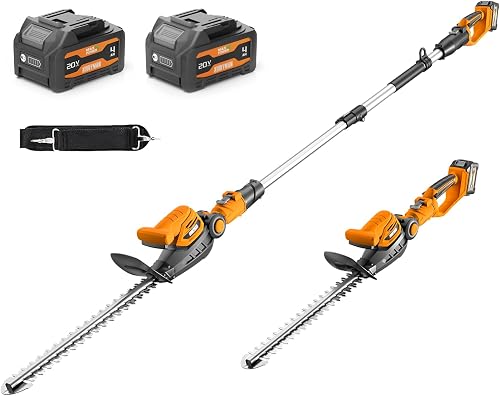
Best Handheld Hedge Trimmer: When You Don't Need a Pole

Best Manual Lawn Edger: Half-Moon vs Rotary Star Wheel Explained

Best Wheelbarrows: What Actually Holds Up in the Yard

Best Hedge Trimmers: What to Know Before You Buy

Best Amaryllis Bulb Kits: What to Buy and What to Skip
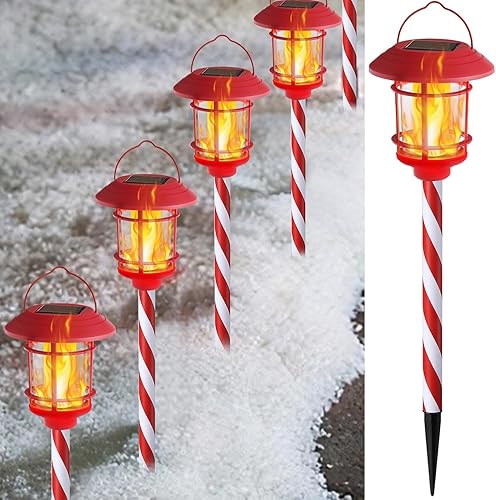
Best Christmas Pathway Lights: What to Buy and What to Skip

Best Christmas Porch Decorations: Our Top Picks and Buying Tips