Best Wheelbarrows: What Actually Holds Up in the Yard
A wheelbarrow looks like the simplest tool in the shed, right up until the tub cracks halfway through a mulch delivery or the tire goes flat for the third time this season. The best wheelbarrows are the ones that match their tub material, wheel setup, and capacity to the jobs you actually do, not the biggest or cheapest model on the shelf. This guide walks through what separates a wheelbarrow that lasts a decade from one that ends up in the trash after a summer of hauling soil.
Compare Products

Landworks Utility Service Cart Wheelbarrow Power Wagon, Super Duty Electric
- BCGarden Score8.8
BCGarden scores from 0 to 10 are automatically scored by our AI consumer report tool based upon the data collected. This score has no relationship or impact from any manufacturer or sales agent websites. Learn more
- BrandLandworks

Chore Warrior Electric Powered Wheelbarrow 350 LBS Capacity and 6
- BCGarden Score9.6
BCGarden scores from 0 to 10 are automatically scored by our AI consumer report tool based upon the data collected. This score has no relationship or impact from any manufacturer or sales agent websites. Learn more
- BrandChore Warrior

SuperHandy Electric Wheelbarrow Utility Cart, 48V, 330 lb, Power Wagon
- BCGarden Score8.2
BCGarden scores from 0 to 10 are automatically scored by our AI consumer report tool based upon the data collected. This score has no relationship or impact from any manufacturer or sales agent websites. Learn more
- BrandSuperHandy

L-faster 24V 36V 48V 350W Wheelbarrow Cart Gear Hub Motor
- BCGarden Score8.8
BCGarden scores from 0 to 10 are automatically scored by our AI consumer report tool based upon the data collected. This score has no relationship or impact from any manufacturer or sales agent websites. Learn more
- BrandN/A
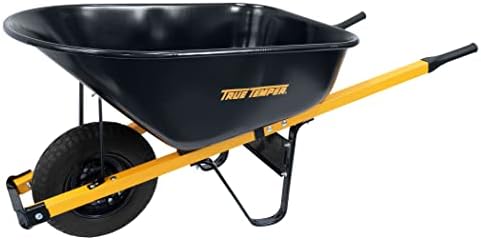
- BCGarden Score9.2
BCGarden scores from 0 to 10 are automatically scored by our AI consumer report tool based upon the data collected. This score has no relationship or impact from any manufacturer or sales agent websites. Learn more
- BrandTRUE TEMPER

- BCGarden Score8.0
BCGarden scores from 0 to 10 are automatically scored by our AI consumer report tool based upon the data collected. This score has no relationship or impact from any manufacturer or sales agent websites. Learn more
- BrandN/A

WORX Wheelbarrow Heavy Duty Dolly, 8-in-1 Aerocart Garden Cart, WG050
- BCGarden Score9.0
BCGarden scores from 0 to 10 are automatically scored by our AI consumer report tool based upon the data collected. This score has no relationship or impact from any manufacturer or sales agent websites. Learn more
- BrandWORX
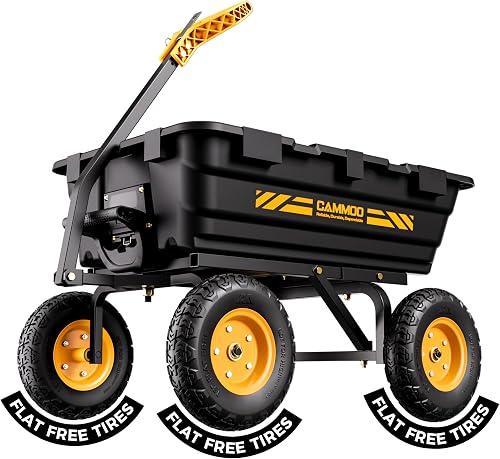
- BCGarden Score9.8
BCGarden scores from 0 to 10 are automatically scored by our AI consumer report tool based upon the data collected. This score has no relationship or impact from any manufacturer or sales agent websites. Learn more
- BrandN/A

- BCGarden Score9.0
BCGarden scores from 0 to 10 are automatically scored by our AI consumer report tool based upon the data collected. This score has no relationship or impact from any manufacturer or sales agent websites. Learn more
- BrandN/A

VIVOHOME 660lbs Wheelbarrow Dump Garden Cart with 2-in-1 Convertible Handle
- BCGarden Score9.0
BCGarden scores from 0 to 10 are automatically scored by our AI consumer report tool based upon the data collected. This score has no relationship or impact from any manufacturer or sales agent websites. Learn more
- BrandVIVOHOME

- BCGarden Score9.2
BCGarden scores from 0 to 10 are automatically scored by our AI consumer report tool based upon the data collected. This score has no relationship or impact from any manufacturer or sales agent websites. Learn more
- BrandN/A

Best Choice Products Dual-Wheel Wheelbarrow Garden Cart - 500 lb
- BCGarden Score8.2
BCGarden scores from 0 to 10 are automatically scored by our AI consumer report tool based upon the data collected. This score has no relationship or impact from any manufacturer or sales agent websites. Learn more
- BrandN/A
Last update on 2026-10-07 / Affiliate links / Images, Product Titles, and Product Highlights from Amazon Product Advertising API
Every wheelbarrow tub is either steel or a heavy-duty plastic, usually polyethylene or polypropylene, and the choice affects both durability and price. Steel tubs resist punctures from sharp gravel or firewood and hold their shape under heavy, repeated loads, but they can rust if left outside uncovered for long stretches, especially once the paint or coating chips.
Poly tubs cost less and never rust, which makes them appealing for anyone storing a wheelbarrow outdoors year-round. The tradeoff is that cheaper poly tubs can crack under sudden impact or extreme cold, and that failure tends to happen without warning, right when the tub is fully loaded. If you are hauling rocks, brick, or firewood regularly, steel is the safer bet. For mulch, soil, and general yard debris, a quality poly tub holds up fine and skips the rust maintenance entirely.
The classic single-wheel wheelbarrow pivots easily around tight corners and gives experienced users precise control over where the load dumps, which matters when you are filling a specific garden bed rather than just moving material from point A to point B. It does require more balance and upper-body strength to keep loaded, especially on uneven ground.
Two-wheel garden carts distribute weight across both wheels, so they stay upright with far less effort and are much harder to tip over accidentally. That stability comes at the cost of maneuverability. A dual-wheel design struggles to turn sharply in narrow side yards or between raised beds. If your yard has tight paths or you are hauling on sloped ground, weigh that tradeoff carefully before choosing based on stability alone.
Wheelbarrow capacity is usually listed in cubic feet, and most homeowner models fall between 4 and 6 cubic feet. A 4-cubic-foot tub is plenty for routine mulching, weeding cleanup, and moving potted plants, and it stays light enough to control even fully loaded. Contractor-grade models push past 6 cubic feet for landscaping crews moving large volumes of soil or debris, but that extra capacity adds real weight that becomes hard to manage on soft ground or inclines.
It helps to think in terms of your heaviest realistic load, not your biggest possible one. Wet soil and gravel weigh far more per cubic foot than dry mulch or leaves, so a tub rated for 6 cubic feet of leaves can still overwhelm you when filled with wet dirt. Sizing for your typical job, rather than the rare big one, usually makes for a more comfortable tool day to day.
Best wheelbarrows differ most in how their tires ride. Pneumatic, air-filled tires absorb shock better over rocky or uneven terrain, which makes the ride noticeably smoother when you are hauling a full load across a bumpy yard. Their downside is the obvious one: they go flat, and a flat tire on moving day is a genuine problem. Flat-free tires, filled with solid foam or polyurethane, never need air and eliminate that failure point entirely, though they transmit more vibration on rough ground and can feel harsher to push.
Wide tires spread weight over more surface area, which helps on soft soil or grass where a narrow tire would sink in and leave ruts. If your yard is mostly lawn rather than paved paths, a wider tire is worth prioritizing over tread pattern or tire count.
Wheelbarrows with a bent, ergonomic handle position your wrists more naturally than a straight handle, which reduces strain during long hauling sessions. The balance point, where the wheel sits relative to the tub, also matters more than most buyers expect. A wheel positioned further forward makes lifting easier since less of the load's weight rests on your arms, while a wheel set further back gives more tipping control when you need to dump precisely.
Grip material is a small detail that adds up over repeated use. Foam or rubber-coated handles reduce blistering compared to bare metal or hard plastic, especially in hot weather when metal handles can get uncomfortably warm to hold.
Is steel or poly better for a wheelbarrow tub?
Steel holds up better against punctures from rocks, brick, or firewood and keeps its shape under heavy repeated loads, but it needs occasional care to prevent rust. Poly never rusts and costs less, making it a solid choice for lighter materials like mulch and soil.
What size wheelbarrow do most homeowners need?
A 4-cubic-foot tub covers most routine yard work, including mulching, weeding cleanup, and moving plants, while staying manageable to control when fully loaded. Larger 6-cubic-foot-plus models suit bigger landscaping projects but add noticeable weight.
Are two-wheel wheelbarrows more stable than one-wheel models?
Yes, two-wheel designs distribute weight across both wheels and are much harder to tip accidentally, which makes them easier for less experienced users. The tradeoff is reduced maneuverability in tight spaces compared to a single-wheel design.
Should I choose flat-free or air-filled tires?
Flat-free tires never need air and remove the risk of a flat mid-job, though they ride slightly harsher on rough ground. Air-filled pneumatic tires absorb shock better over bumpy terrain but require occasional reinflation and can puncture.
How much weight can a typical wheelbarrow hold?
Capacity varies by tub size and material, with homeowner models generally rated for a few hundred pounds and contractor-grade steel models rated higher. Remember that wet soil and gravel weigh significantly more per cubic foot than dry mulch, so check weight rating rather than just tub volume.
How do I keep a steel wheelbarrow from rusting?
Store it under cover or indoors when not in use, and touch up any chipped paint promptly since bare metal spots are where rust typically starts. Rinsing off soil, fertilizer, or standing water after use also helps the coating last longer.
Do wider tires really make a difference on grass?
Yes, wider tires spread the wheelbarrow's weight over more surface area, which keeps them from sinking into soft soil or leaving ruts in a lawn the way a narrow tire can.
The right wheelbarrow comes down to matching tub material and wheel setup to your terrain and typical load, not chasing the largest capacity available. A smaller, well-balanced model that suits your actual yard will get more consistent use than an oversized one that feels like a chore to maneuver.


Best Hedge Trimmers: What to Know Before You Buy

Best Amaryllis Bulb Kits: What to Buy and What to Skip
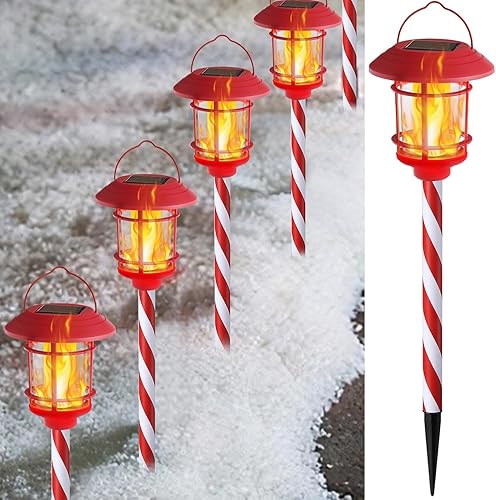
Best Christmas Pathway Lights: What to Buy and What to Skip

Best Christmas Porch Decorations: Our Top Picks and Buying Tips

Best Outdoor Christmas Wreaths: Our Top Picks and Buying Tips

Best Live Christmas Tree Stands for Every Home and Budget

Best Solar Christmas Lights for Every Home and Budget

The Best Christmas Inflatables: Buying Guide & Top Picks