Learn how to set up an outdoor noodle bar for your next garden party, with layout tips, noodle picks, toppings, sauces, and serving ideas that hold up outside.
BestChoiceGarden.com is reader-supported. When you buy through links on our site, we may earn an affiliate commission. As an Amazon Associate, we earn from qualifying purchases.
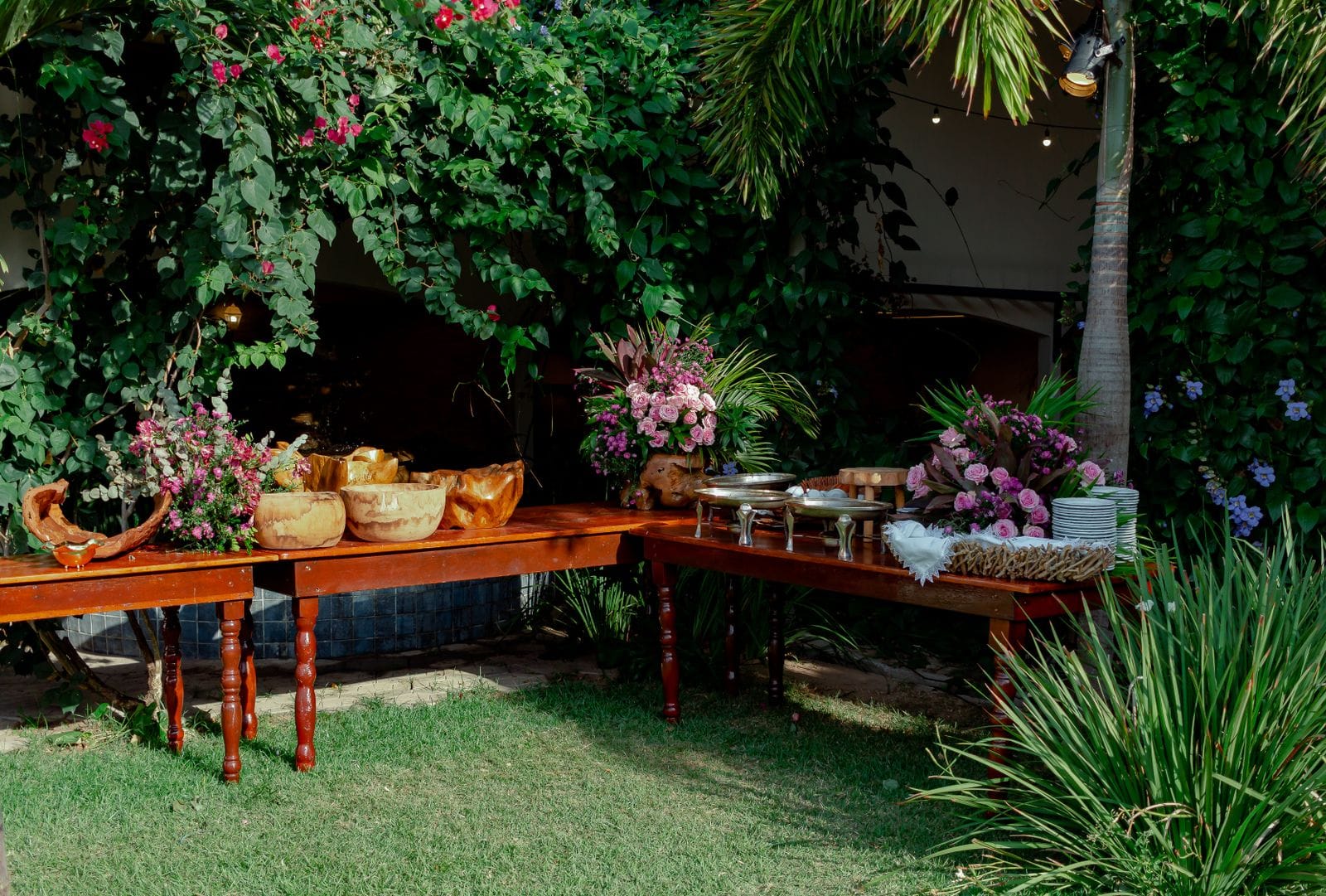
A garden party thrives on ease, color, and the kind of food that lets guests wander, chat, and graze without being tied to a formal seated meal. That is exactly why a build your own noodle bar has become such a popular pick for outdoor entertaining. Instead of plating individual servings in the kitchen, you set out a spread of noodles, proteins, vegetables, and sauces, then let everyone assemble a bowl that suits their own taste. It keeps the host out of the kitchen for most of the party, it looks stunning arranged on a garden table, and it naturally accommodates picky eaters, vegetarians, and guests with different spice tolerances.
Noodle bars also travel well in warm weather. Many of the best options for outdoor entertaining are served cold or at room temperature, so there is no scramble to keep chafing dishes hot under the sun. With a little planning around layout, noodle choice, and toppings, you can put together a station that feels festive, interactive, and genuinely delicious from the first guest to the last.

The success of a noodle bar comes down to flow. Guests need to move through the station in a logical order without bottlenecking around one bowl of peanuts or a single ladle of sauce. Think of the layout in the same sequence a person would build their bowl.
Set the table or a row of tables so guests approach from one end and exit from the other. Place the noodles first, since that is the base of the dish, followed by proteins, then vegetables and crunchy toppings, then sauces, and finally garnishes like herbs or citrus wedges. Keep serving bowls and empty bowls at opposite ends of the line so there is no confusion about where to grab a dish.
Overcrowded tables slow guests down and lead to spills. Space out the bowls so people can reach in with tongs or spoons without knocking over their neighbor's dish. If your garden has a shaded patio, arbor, or pergola, that is the ideal spot for the station, since noodles and sauces hold up better out of direct sun for a few hours.
Small handwritten or printed cards in front of each item help guests move quickly and let anyone with a food allergy or dietary preference make informed choices. Note which items are vegetarian, vegan, gluten free, or contain common allergens like peanuts, soy, or shellfish.
Not every noodle is suited to an outdoor buffet. Some varieties clump or dry out quickly once they cool, which can make the whole station feel less appetizing after the first hour. For a garden party, lean toward noodles that taste good cold or at room temperature and hold their texture without constant tossing.
Soba noodles are a favorite for outdoor noodle bars because their slightly nutty flavor and firm bite pair well with a wide range of sauces. Rice vermicelli and rice noodles are light, gluten free, and work beautifully in a fresh, salad style bowl. Udon noodles have enough chew to stand up to heartier sauces and toppings, while a simple soba or wheat noodle tossed in sesame oil resists sticking even after sitting out for a while. Whatever you choose, toss the noodles with a small amount of oil right after cooking and cooling so they stay separated and glossy rather than forming one solid clump.
The topping spread is where a noodle bar really earns its place as a party centerpiece. Aim for a mix of textures and flavors so every bowl feels different, even if two guests start with the same noodles.
Offer at least one plant based option alongside animal proteins so vegetarian guests are not left with a bare bowl. Good choices include shredded rotisserie style chicken, grilled shrimp, thinly sliced steak, marinated tofu, and hard boiled or soft boiled eggs cut in half. Keep proteins that need refrigeration in bowls set over ice, and swap them out every hour or two during a long party.
Shredded carrots, thinly sliced cucumber, julienned bell peppers, shaved radish, edamame, and bean sprouts all add crunch and color. Quick pickled vegetables, such as carrots or red onion soaked briefly in vinegar and sugar, bring a bright, tangy note that cuts through richer sauces and holds up well without refrigeration for a few hours.
Crushed peanuts or cashews, toasted sesame seeds, crispy fried shallots or garlic, and torn fresh herbs like cilantro, mint, and Thai basil turn a simple bowl into something restaurant quality. Lime wedges and a small dish of chili flakes or chili crisp let guests adjust heat and acidity to their own taste at the very end of the line.
Because a garden party often stretches across an afternoon or evening, choose sauces that taste good at room temperature and do not separate quickly. A peanut sauce made with peanut butter, soy sauce, rice vinegar, a touch of sugar, and a splash of warm water to thin it out is a reliable crowd pleaser. A sesame ginger dressing built from sesame oil, soy sauce, rice vinegar, grated ginger, and a little honey is lighter and pairs well with cold rice noodles. For guests who prefer something simple, a chili garlic oil or a basic soy and vinegar dressing rounds out the options without overwhelming the table.
Whisk sauces in advance and store them in squeeze bottles or small pitchers. Squeeze bottles in particular cut down on drips and let guests control exactly how much sauce goes into their bowl, which keeps the serving area tidier throughout the party.
The bowls you use for the finished dish matter more than most hosts expect. A wide, shallow salad bowl looks lovely on a table but is not built for a dish that includes broth, sauce, or a generous amount of dressing, since liquid tends to pool at the edges or spill over the rim once a guest starts mixing. Set up your noodle bar with proper serving bowls that have enough depth and a wide rim for stirring, and your guests will have a much easier time enjoying their creation without balancing it awkwardly on their lap. Check out this ramen bowl buying guide for a rundown of capacity and material options that hold up well outdoors too, from lightweight melamine that resists chipping to insulated designs that keep cold noodle salads chilled a bit longer in warm weather.
Beyond the bowls themselves, a few practical touches make a real difference. Keep a stack of extra napkins nearby, since noodle dishes tend to be a little messy. Set out chopsticks alongside regular forks, since not every guest will be comfortable with chopsticks. If the party runs into the evening, a few strands of string lights or lanterns over the station keep the labels and toppings visible once the sun goes down.

Outdoor food stations need a little extra attention when it comes to food safety, especially in warm weather. Set bowls containing meat, seafood, tofu, or eggs into larger bowls filled with ice, and replace the ice as it melts. Try to keep the noodle bar out of direct, prolonged sun, and plan to refresh perishable items roughly every two hours if the party runs long. Cover bowls with mesh food tents or small domes between waves of guests to keep insects away without hiding the labels.
If you want a simple starting point rather than building the whole spread from scratch, this combination works well for a mixed group of guests:
This gives every guest close to a dozen ways to combine flavors, which is more than enough variety for an afternoon of grazing without overwhelming your prep list.
A noodle bar succeeds as garden party food because it is interactive, forgiving of different tastes, and genuinely enjoyable to look at once it is arranged on the table. Focus on a logical layout, noodles that hold up outside the fridge, a topping spread with real variety, and sauces that taste good at room temperature, and the rest of the party tends to take care of itself. Pair the food with sturdy serving bowls, a shaded spot on the patio, and a little attention to food safety, and your outdoor noodle bar can easily become the part of the party guests remember and ask you to repeat next season.