
Are Electric Chainsaws Any Good? Here's an Honest Answer
You've probably heard the same warning from an old school neighbor: real chainsaws run on gas, and electric ones are toys. That advice made sense a decade ago. It doesn't hold up as well today, but it's also not entirely wrong. Are electric chainsaws any good depends heavily on what you're actually cutting, and this guide breaks down exactly where they shine, where they still fall short, and one safety difference most buying guides never mention.
Compare Products
Last update on 2026-11-26 / Affiliate links / Images, Product Titles, and Product Highlights from Amazon Product Advertising API
So, are electric chainsaws any good for the average homeowner? Yes, for most homeowners, a modern electric chainsaw is genuinely good, not a compromise pick. If your work is trimming branches, clearing storm debris, or cutting the occasional load of firewood, an electric model will handle it with less noise, less maintenance, and instant startup every time. The honest caveat: if you're felling large trees or running a saw for hours at a stretch, gas still wins on raw cutting capacity and all day runtime.
Electric models aren't just "good enough." In several ways, they're the better tool, not just the easier one.
Instant Start, Near Zero Maintenance
There's no pull cord, no flooded engine, and no fighting a stubborn motor on a cold morning. Press a trigger or flip a switch and the chain runs. There's also no carburetor to clean, no spark plug to replace, and no two stroke fuel to mix and store. For anyone who's dealt with a gas saw that won't start after sitting in the shed all winter, this alone is worth the switch.
Quieter, Not Silent
Electric chainsaws run noticeably quieter than gas models, which matters if you're cutting near a house or don't want to wake the neighborhood at 7 a.m. That said, "quiet" is relative. Electric motors produce a higher pitched whine that some people find more grating up close than a gas engine's lower rumble, even at a lower overall volume. Expect hearing protection to still be a good idea.
The trade offs below are usually what flip someone's answer to "are electric chainsaws any good" from yes to no, so read this part before you buy.
Bar Length and Cutting Capacity Ceiling
Most electric chainsaws top out around an 18-inch bar, while gas saws go well beyond that for serious tree work. If you're regularly cutting trunks wider than what an 18-inch bar can handle in one pass, you'll feel that ceiling, so it's worth checking bar length specs on the best electric chainsaws before assuming any model will handle your biggest logs. For trimming, pruning, and standard firewood rounds, it's rarely a problem.
Runtime and the Mid Job Recharge Problem
A battery powered saw runs until the pack drains, then you wait. There's no equivalent to topping off a gas tank and getting right back to work. Corded models solve this with unlimited runtime, but only within reach of an outlet or extension cord. If you're clearing debris across a large property, that tether becomes its own limitation.
Most comparisons stop at power and noise, but there's a real safety difference worth knowing before you buy. Gas chainsaw engines tend to stall when the bar gets pinched in a cut, which acts as an accidental safety cutoff, the chain stops moving. Electric motors are much harder to stall the same way, so if your bar gets pinched, the chain can keep trying to spin instead of stopping on its own. That doesn't make electric saws unsafe, but it does mean you can't rely on a stall to bail you out of a pinch situation. Wedges, proper cutting technique, and reading how the wood is loaded before you cut matter just as much, if not more, with an electric saw.
"Electric" isn't one thing, and picking the wrong type causes most of the buyer's remorse people report. If your work happens within range of an outdoor outlet, a corded model gives you unlimited runtime and is usually the lightest, least expensive option. If you need to move around the yard or work somewhere without easy power access, a battery model trades some runtime for freedom of movement, and it's worth checking whether the battery is compatible with other tools you already own from the same brand, since that shared battery setup is often the real cost saver.
If you are ready to buy, these two picks fit the advice in this guide.
SEESII 40V Electric Chainsaw Cordless 18-Inch, around $170.

16 Inch Electric Chainsaw Cordless, around $126.

A few quick answers to the questions people ask most before deciding if are electric chainsaws any good holds up for their own yard.
Are electric chainsaws powerful enough to cut down a tree?
For small to medium trees, yes. For large trunks beyond an 18-inch bar's reach, a gas saw is the better tool for the job.
Are battery chainsaws as good as gas chainsaws?
For occasional yard work and small tree jobs, top battery models now match or beat gas saws in lab cutting speed tests. For hours of continuous heavy duty cutting, gas still has the edge on sustained power and runtime.
Do electric chainsaws need bar oil?
Yes. Electric chainsaws still need bar and chain oil to lubricate the cutting chain, running one dry will wear out the bar and chain quickly regardless of power source.
How long does an electric chainsaw battery last?
Runtime varies by battery size and how hard you're cutting, but most battery chainsaws run somewhere between 20 minutes and an hour of active cutting per charge on a single battery.
Do electric chainsaws stall like gas chainsaws when pinched?
Not the same way. Gas engines commonly stall when the bar pinches, which stops the chain. Electric motors resist stalling, so the chain is more likely to keep spinning in a pinch, which is why cutting technique matters more on electric saws.
What jobs are electric chainsaws not suited for?
All day commercial logging, felling large diameter trees, and any job far from a power source or spare batteries are where electric chainsaws struggle most.
To circle back to the question, are electric chainsaws any good? If your chainsaw work is trimming, pruning, storm cleanup, or modest firewood cutting, an electric chainsaw isn't a downgrade, it's arguably the smarter pick for instant starts and low upkeep. If you need all day runtime or you're regularly cutting large trees, a gas saw is still the better fit. Either way, understanding the trade offs above beats guessing after you've already bought one.

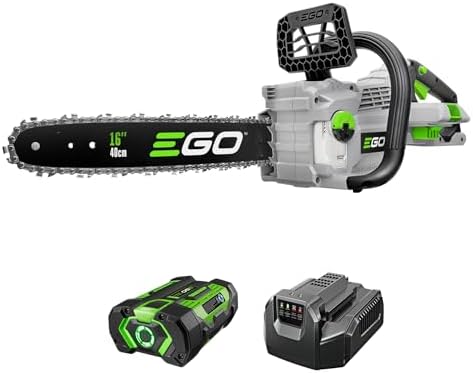
Best Chainsaws Under $300: A Buying Guide for 2026

Best Battery Snow Blowers (2026): How to Match Runtime to Your Driveway

Best Cordless Tiller in 2026: Battery Power for Beds and Small Gardens

Best Champion Log Splitters of 2026: Choosing by Tonnage Class
Best Echo Hedge Trimmer for 2026: Choosing Between Gas and Battery Power

Best Electric Battery Push Lawn Mowers for Every Need: How to Pick the Right One for 2026

Best Gas Push Mowers for Small Yards: What Actually Matters Before You Buy for 2026

Are Battery Lawn Mowers Any Good? Here's the Honest Answer








