
Best Chainsaws Under $300: A Buying Guide for 2026
Three hundred dollars is a working budget for a chainsaw, not a toy budget. It reaches honest homeowner saws in gas and battery form, with bar lengths from compact pruning sizes up to about 18 inches. The catch is that the saw itself should not eat the whole amount, because chain oil, a spare chain, files, and protective gear belong in the same purchase. Shoppers who plan the full kit end up with the best chainsaw under 300 dollars for their property instead of the most powerful saw they cannot afford to run safely.
This guide maps what each price band buys, how the power sources compare at this level, and where the smart compromises sit. The comparison table below gives the overview, and the detail follows.
Compare Products
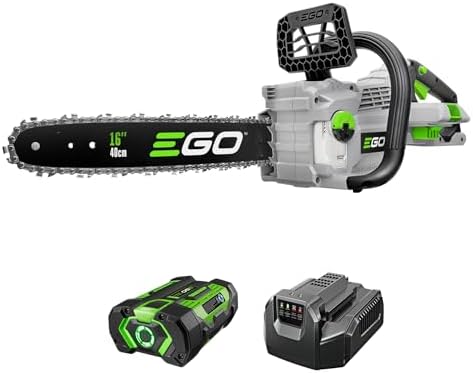
- BCGarden Score9.2
BCGarden scores from 0 to 10 are automatically scored by our AI consumer report tool based upon the data collected. This score has no relationship or impact from any manufacturer or sales agent websites. Learn more
- BrandEGO Power+

- BCGarden Score8.4
BCGarden scores from 0 to 10 are automatically scored by our AI consumer report tool based upon the data collected. This score has no relationship or impact from any manufacturer or sales agent websites. Learn more
- BrandHusqvarna

- BCGarden Score9.2
BCGarden scores from 0 to 10 are automatically scored by our AI consumer report tool based upon the data collected. This score has no relationship or impact from any manufacturer or sales agent websites. Learn more
- BrandNovorikX

Husqvarna 120 Mark III Gas Chainsaw, Garden Tools, 16 Inch,
- BCGarden Score8.6
BCGarden scores from 0 to 10 are automatically scored by our AI consumer report tool based upon the data collected. This score has no relationship or impact from any manufacturer or sales agent websites. Learn more
- BrandHusqvarna
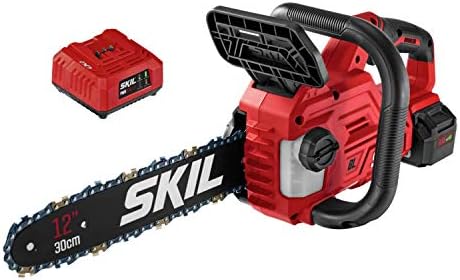
- BCGarden Score8.8
BCGarden scores from 0 to 10 are automatically scored by our AI consumer report tool based upon the data collected. This score has no relationship or impact from any manufacturer or sales agent websites. Learn more
- BrandSkil

- BCGarden Score9.2
BCGarden scores from 0 to 10 are automatically scored by our AI consumer report tool based upon the data collected. This score has no relationship or impact from any manufacturer or sales agent websites. Learn more
- BrandSeesii

- BCGarden Score8.8
BCGarden scores from 0 to 10 are automatically scored by our AI consumer report tool based upon the data collected. This score has no relationship or impact from any manufacturer or sales agent websites. Learn more
- BrandDong Cheng

- BCGarden Score9.0
BCGarden scores from 0 to 10 are automatically scored by our AI consumer report tool based upon the data collected. This score has no relationship or impact from any manufacturer or sales agent websites. Learn more
- BrandN/A
Last update on 2026-11-26 / Affiliate links / Images, Product Titles, and Product Highlights from Amazon Product Advertising API
Suburban Homeowners With Occasional Storm Cleanup
Your cutting list is a few limbs a year, a fallen branch after storms, and trimming back overgrown trees. A battery kit in the middle of this budget, with the battery and charger included, serves you best because it waits in the shed ready and asks almost nothing between uses. Our guide to the best battery chainsaw breaks down which voltage classes handle this workload comfortably.
Gardeners Pruning and Cutting Small Firewood Regularly
If you cut most weekends in season, a light gas saw around 14 to 16 inches or a stronger battery model fits your rhythm. Regular use repays a saw with tool free tensioning and an easy starting system, because small frictions multiply across a season. You are also the buyer who benefits most from a second chain in rotation, swapping at lunch instead of filing at the stump.
First Time Chainsaw Owners Building a Safe Starter Kit
Your budget has to stretch further than the saw: chaps, a helmet with eye and ear protection, gloves, bar oil, and a file kit all compete for the same $300. A mid priced battery saw leaves room for that gear, and the gear is not optional decoration. The broader homeowner guidance in our guide to the best chainsaw for homeowners walks through starter ownership in more depth once you know your power source.
Under $150: Compact Battery and Pruning Saws
The entry band buys small battery models and compact pruning saws with bars of about 10 to 14 inches. These are branch and small log tools, happiest in wood under 8 inches. Expect plastic heavy construction and shorter warranties. Within this band, check whether the battery and charger are included, since a bare tool price hides the real cost.
About $150 to $230: The Homeowner Sweet Spot
This band buys 14 to 16 inch battery kits with respectable packs or entry gas saws from established makers. Features improve noticeably: automatic oilers, inertia chain brakes, better anti vibration, and metal bucking spikes begin to appear. For most yards this is the honest target, powerful enough for storm limbs and small firewood while leaving cash for the safety kit.
About $230 to $300: Larger Bars and Stronger Platforms
The top band reaches 18 inch gas saws and premium battery bare tools that assume you already own packs from other yard equipment. If you do own those packs, this band is excellent value; if you do not, a bare tool price is a mirage, because the battery and charger can add half again to the bill. Judge every listing by its ready to cut price, not the headline.
Bar Length That Matches Your Wood
Most saws under $300 wear bars of 14 to 18 inches, and longer is not free: a long bar on a small powerhead cuts slowly and dulls your control. Match the bar to the thickest wood you cut often, not the thickest you might cut once. Gardeners whose work is mostly pruning should also weigh the compact options in our guide to the best mini chainsaw, which cost less and leave budget for gear.
Chain Brake and Low Kickback Chain
At this price, insist on an inertia activated chain brake, a hand guard, and low kickback chain fitted as standard. These features are common but not universal on the cheapest listings, and their absence is the clearest sign of a saw to skip. Safety specification is the one area where budget buying should never compromise, because the savings are trivial and the stakes are not.
Warranty, Parts, and Chain Availability
A two year warranty with a readable parts diagram beats a vague promise every time. Check that spare chains in your bar's pitch and gauge are stocked locally or easy to order, and that wear parts like sprockets and oil pumps exist for the model line. The full category in our guide to the best chainsaw explains how brand support differs across the wider market.
Set aside roughly $60 to $100 of the total for everything that is not the saw. Chaps rated for chainsaw use and a forestry helmet are the core of it, followed by bar and chain oil, a spare chain, a round file with guide matched to your chain pitch, and fuel supplies for gas models. Buying these in the same week as the saw matters, because the first cutting session always arrives before the second shopping trip. A slightly smaller saw with full protective gear is a better purchase than a bigger saw used in sneakers and sunglasses.
- Judging a battery saw by its bare tool price, because the battery and charger can push the real cost far past the budget.
- Buying the longest bar in the price range, because an 18 inch bar on a small engine cuts slower than a 14 inch bar it can pull properly.
- Spending nothing on protective gear, because chainsaw injuries overwhelmingly happen to casual users in their own yards.
- Choosing an unknown brand with no parts support, because a failed oil pump or sprocket then ends the saw's life over a minor part.
- Storing a gas saw with untreated fuel between seasons, because one winter of stale mix can cost more in repairs than the saw saved at purchase.
Budget saws last surprisingly well when their owners do the simple things consistently. Keep the chain sharp with a few file strokes at every refuel or recharge, and the motor never strains against a dull cut. Clean the cooling fins and the area under the chain cover after each session, since packed sawdust insulates the engine and hides oil leaks. Rotate two chains so each rests between sharpenings, flip the bar at every swap, and store the saw dry with fuel handled per the maker's guidance. These habits cost minutes and routinely double the useful life of an entry level saw.
Can you get a good chainsaw for under $300?
Yes, you can get a good chainsaw under $300 for pruning, storm cleanup, and small firewood, especially in the $150 to $230 band. What the budget will not buy is professional durability or long bar power for regular felling. Watch for seasonal sales at the end of winter, when retailers clear homeowner models and the same money reaches noticeably better saws.
Is gas or battery the better chainsaw under $300?
Battery is the better buy for most yards under $300 because kits include the pack, upkeep is minimal, and starting is instant. Gas wins if you cut for hours in one session or work far from power, since refueling beats recharging. Count your typical cutting session honestly: most suburban cleanup ends within one battery, which settles the question for many buyers.
What else should I budget for besides the chainsaw itself?
Budget for chaps, a helmet with eye and ear protection, gloves, bar and chain oil, one spare chain, and a file kit sized to your chain. Together these run roughly $60 to $100 and are part of owning the saw, not accessories. Gas buyers should add a fuel can and two stroke oil, and battery buyers may want a second pack for longer sessions.
How long will a budget chainsaw last?
A budget chainsaw lasts about five to ten years of homeowner use when the chain stays sharp and the saw is stored dry. The common killers are stale fuel in gas models, dull chains that overheat the bar, and unavailable parts on obscure brands. Choosing a model line with stocked spares is the single best predictor of a long life at this price.
Does a longer bar make a budget chainsaw more capable?
No, a longer bar does not make a budget chainsaw more capable, because the powerhead still limits how much chain it can pull through deep wood. An oversized bar slows cutting, adds nose weight that tires your arms, and increases kickback exposure. A shorter bar the engine can drive at full chain speed clears the same pile of limbs faster in practice.
Under $300, value comes from the whole kit: an honest mid band saw, a sharp spare chain, and protective gear you will actually wear. Decide your power source by session length, match the bar to your everyday wood, and keep the ready to cut price in view. The product table above gathers the bands and types for a last comparison. Planned this way, the best chainsaw under 300 dollars is a safe, capable tool that earns its place in the shed for years.

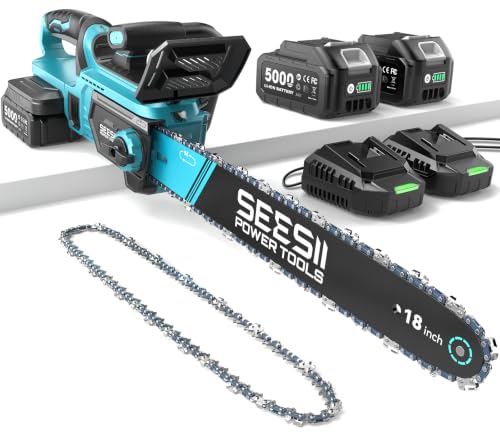
Are Electric Chainsaws Any Good? Here's an Honest Answer

Best Battery Snow Blowers (2026): How to Match Runtime to Your Driveway

Best Cordless Tiller in 2026: Battery Power for Beds and Small Gardens
Best Champion Log Splitters of 2026: Choosing by Tonnage Class
Best Echo Hedge Trimmer for 2026: Choosing Between Gas and Battery Power

Best Electric Battery Push Lawn Mowers for Every Need: How to Pick the Right One for 2026

Best Gas Push Mowers for Small Yards: What Actually Matters Before You Buy for 2026

Are Battery Lawn Mowers Any Good? Here's the Honest Answer








