Best Chainsaw for Homeowners in 2026: Sizes, Power, and Safety
A homeowner chainsaw lives a particular life: it sleeps in the garage for months, then works hard for one weekend on a storm fallen limb, a dead apple tree, or a load of firewood. That pattern argues against professional saws, which are built and priced for daily use, and for mid sized models that start easily after storage and carry proper safety equipment. The best chainsaw for homeowners is the one sized to your trees, light enough to control all afternoon, and honest about its limits.
This guide matches bar lengths and power sources to typical homeowner jobs and covers the safety rules that matter more than any spec. Compare the shortlist in the comparison table below as you work through it.
Compare Products

- BCGarden Score8.8
BCGarden scores from 0 to 10 are automatically scored by our AI consumer report tool based upon the data collected. This score has no relationship or impact from any manufacturer or sales agent websites. Learn more
- BrandHusqvarna

- BCGarden Score9.0
BCGarden scores from 0 to 10 are automatically scored by our AI consumer report tool based upon the data collected. This score has no relationship or impact from any manufacturer or sales agent websites. Learn more
- BrandHusqvarna

EGO POWER+ Chain Saw, 16” Battery Powered Chainsaw, Electric Cordless,
- BCGarden Score9.2
BCGarden scores from 0 to 10 are automatically scored by our AI consumer report tool based upon the data collected. This score has no relationship or impact from any manufacturer or sales agent websites. Learn more
- BrandEGO Power+

Greenworks 80V 16 in Cordless Electric Chainsaw, 2.5 Ah Battery
- BCGarden Score8.8
BCGarden scores from 0 to 10 are automatically scored by our AI consumer report tool based upon the data collected. This score has no relationship or impact from any manufacturer or sales agent websites. Learn more
- BrandGreenworks

Husqvarna 120 Mark III Gas Chainsaw, Garden Tools, 16 Inch,
- BCGarden Score8.6
BCGarden scores from 0 to 10 are automatically scored by our AI consumer report tool based upon the data collected. This score has no relationship or impact from any manufacturer or sales agent websites. Learn more
- BrandHusqvarna

SEESII 40V Eectric Chainsaw Cordless 16 Inch, Battery Powered Chain
- BCGarden Score9.2
BCGarden scores from 0 to 10 are automatically scored by our AI consumer report tool based upon the data collected. This score has no relationship or impact from any manufacturer or sales agent websites. Learn more
- BrandSeesii

- BCGarden Score8.4
BCGarden scores from 0 to 10 are automatically scored by our AI consumer report tool based upon the data collected. This score has no relationship or impact from any manufacturer or sales agent websites. Learn more
- BrandN/A

DongCheng 40V 16-Inch Brushless Cordless Chainsaw with 2x4.0Ah Batteries –
- BCGarden Score8.8
BCGarden scores from 0 to 10 are automatically scored by our AI consumer report tool based upon the data collected. This score has no relationship or impact from any manufacturer or sales agent websites. Learn more
- BrandDong Cheng

- BCGarden Score9.0
BCGarden scores from 0 to 10 are automatically scored by our AI consumer report tool based upon the data collected. This score has no relationship or impact from any manufacturer or sales agent websites. Learn more
- BrandN/A

- BCGarden Score9.0
BCGarden scores from 0 to 10 are automatically scored by our AI consumer report tool based upon the data collected. This score has no relationship or impact from any manufacturer or sales agent websites. Learn more
- BrandSeesii
Last update on 2026-11-19 / Affiliate links / Images, Product Titles, and Product Highlights from Amazon Product Advertising API
Homeowners Clearing Storm Damage and Fallen Limbs
Storm work means cutting wood on the ground under time pressure, often in awkward piles. A 16 inch gas or high voltage battery saw with a sharp chain and a working chain brake is the sweet spot for most lots. If your property is small and storms are your only cutting, the guide to the best battery chainsaw models shows how far cordless saws have come for exactly this occasional, grab and go work.
Firewood Cutters Processing a Few Cords a Year
Bucking logs is steady, repetitive cutting that rewards a bit more power and a bar long enough to span your typical log in one pass. Homeowners who heat with wood should look at the upper end of the homeowner class, with metal construction at the crankcase and a chain they can sharpen fast in the field. Our wider guide to the best chainsaw range puts these mid sized models in context against farm and professional saws.
Gardeners Pruning Large Shrubs and Small Trees
Most routine garden cutting is limbs under six inches: overgrown lilacs, orchard pruning, and saplings along the fence. A compact 12 to 14 inch saw, or even a small one handed style tool for light work, is easier to control precisely and far less tiring. The roundup of the best mini chainsaw options covers the smallest class for gardeners whose cutting is nearly all pruning.
Bar Length Matched to Your Wood
Bar length should exceed the diameter of the wood you cut most by a couple of inches, so a 16 inch bar comfortably handles logs up to about 14 inches in a single pass. Homeowner saws run 12 to 20 inches, and longer is not better by default: extra bar adds weight, cost, and kickback risk while slowing the chain. Walk your property and measure the largest trunk you would realistically cut yourself; anything bigger is a job to hire out, not a reason to buy a bigger saw.
Power Source: Gas, Battery, or Corded
Gas saws still lead on sustained power and runtime, and they suit rural properties and firewood cutting, at the cost of fuel mixing, noise, and more maintenance. Battery saws start instantly, run quietly, and store without fuel worries, which suits suburban lots and occasional use, though heavy bucking drains packs quickly. Corded electric saws are light and inexpensive for cutting near the house, with the cord as the obvious limit. Match the source to how far from an outlet your cutting happens.
Safety Features: Chain Brake and Low Kickback Chain
A chain brake that stops the chain in a fraction of a second, triggered by your wrist hitting the front guard or by inertia, is the most important safety device on the saw; insist on it. Low kickback chain and a reduced kickback bar narrow the danger at the bar tip, where most violent reactions start. An effective throttle lockout that prevents accidental starts and a chain catcher that stops a thrown chain round out the package a homeowner saw should carry as standard.
Starting and Ease of Use Features
Because homeowner saws sit idle, easy starting decides whether the saw feels like a tool or a punishment. Spring assisted pull starts, primer bulbs, and simple choke systems help gas saws; battery saws remove the question entirely. Tool free chain tensioning is worth having, since a chain needs adjustment during its first hours and whenever temperature swings. Automatic chain oilers are standard in this class, but check the oil level every tank or battery, because no oiler setting excuses running the bar dry.
Weight and Vibration Control
Fatigue is a safety issue, not a comfort footnote, because tired arms control a saw poorly. Homeowner saws weigh about 8 to 14 pounds with bar and chain, and a lighter saw you handle confidently is safer than a stronger one you wrestle. Spring mounted anti vibration handles reduce the buzz that numbs hands during firewood sessions. Judge weight with the bar fitted and the tank full, not by the dry figure in the listing.
Wear chaps or cut resistant trousers, eye and ear protection, sturdy boots, and work gloves every time, not just for big jobs. Keep a firm two handed grip, never cut above shoulder height, and never work from a ladder, because a falling branch and a running saw leave you no safe move; tree work off the ground belongs to insured arborists. One more caution: top handle chainsaw designs are built for trained climbers working in trees, and they are the wrong choice on the ground, where a rear handle saw gives you proper two handed control. Keep other people and pets well clear, and check local ordinances before removing whole trees, since many towns require permits for larger removals.
Light corded and small battery saws run about $100 to $200 and cover pruning and small storm limbs for most suburban yards. The middle band, about $200 to $350, buys capable 16 to 18 inch gas and battery saws with better build quality and full safety equipment, which is where most homeowners should land. Around $350 to $500 you find the strongest homeowner models for regular firewood cutting, approaching farm saw territory without the professional price or service demands.
- Buying an oversized professional style saw, then avoiding it because it is heavy, loud, and tiring to control.
- Cutting with a dull chain, which forces you to push the saw and sharply raises kickback risk.
- Standing on a ladder to reach a limb, with no safe way to move when the wood shifts.
- Skipping chaps and eye protection for one quick cut, which is when most homeowner injuries happen.
- Storing a gas saw with fuel in the tank for months, guaranteeing a gummed carburetor next season.
Chain care decides most of a saw life. Keep the chain sharp with the correct file size for its pitch, tension it so it lifts slightly from the bar without sagging, and confirm the oiler is feeding by watching for a fine spray line on a pale surface. Flip the bar periodically so both rails wear evenly, clean sawdust and oil from the clutch cover, and change or clean the air filter on gas models each season. Store the saw clean, with the chain guard on, and either drain the fuel system or use stabilized fuel, exactly as the manual directs.
What is the best chainsaw for homeowners doing general yard work?
For general yard work, the best chainsaw for homeowners is a 14 to 16 inch model, gas or high voltage battery, with a chain brake, low kickback chain, and easy starting. That size handles storm limbs, small tree removal, and light firewood without the weight of a firewood class saw. Buyers who cut only a few times a year should lean battery for the storage convenience.
What should I look for in a chainsaw for homeowners?
Look first at safety equipment: a working chain brake, low kickback chain, and throttle lockout. Then match bar length to your largest realistic log, choose the power source that fits your distance from an outlet, and favor easy starting and tool free tensioning, because a saw that sits idle must still start on the first weekend you need it. Finally, weigh the saw fitted and fueled, since that is the weight you will actually control.
What size chainsaw does a homeowner need?
Most homeowners need a 14 to 16 inch bar, which covers limbs and trunks up to roughly 12 to 14 inches in one pass and larger wood with a cut from each side. A 12 inch saw is plenty for pruning focused gardens, while 18 inches suits properties with mature trees and regular firewood. Bigger bars add weight and risk faster than they add usefulness for occasional users.
How long does a homeowner chainsaw last?
A homeowner chainsaw that is kept sharp, oiled, and stored dry commonly lasts 10 to 15 years of occasional use. Chains, bars, and sprockets are wear parts you should expect to replace along the way. The usual early killers are stale fuel in gas models, batteries stored fully drained or in freezing sheds, and bars run without oil, all of which are habits rather than defects.
Is a chainsaw worth it for a small yard?
It is worth it if your yard has trees that drop limbs, shrubs that outgrow loppers, or a fireplace that makes free storm wood valuable. It is harder to justify for a small, nearly treeless lot, where a pruning saw and loppers cover the work more safely. Renting a saw for a single big cleanup is also a sensible middle path before committing to ownership and its upkeep.
Size the saw to your real trees, insist on the full set of safety features, and plan on keeping the chain sharp; those three choices matter more than brand debates. The best chainsaw for homeowners for your property is waiting in the product table above, so compare bar lengths and weights there, and leave any cut you cannot make with both feet on the ground to a professional.


Best High Lift Blades for Zero Turn Mowers Made Simple: A Clear Buying Guide

Best Compact Snow Blower for Small Driveways and Tight Storage (2026)

Best 12 Inch Chainsaw for 2026: Small Bar, Serious Garden Pruning
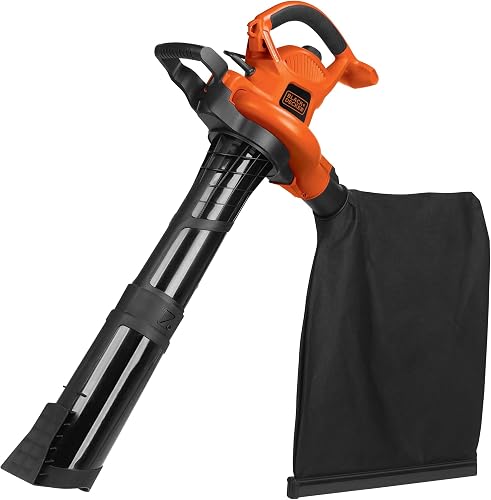
Best Corded Leaf Blower Models for 2026: Power, Reach, and Care

Best Gas Tillers in 2026: Power for New Ground and Big Beds

Best Fuel for Mowers: A Practical Buying Guide for 2026

Best Grass Trimmers Battery Powered: How to Choose by Budget for 2026

Best Commercial Pressure Washer Buying Guide for 2026: Built for Daily Work