
Best Commercial Pressure Washer Buying Guide for 2026: Built for Daily Work
A pressure washer that runs for six hours a day, five days a week, lives a completely different life from one that washes a patio each spring. Seals, pumps and engines that shrug off weekend use fail by midsummer under commercial hours, and downtime costs a working crew far more than the price difference between machine classes. The best commercial pressure washer is built for that duty: a serviceable pump, an engine rated for long days, and parts your local shop can actually order.
This guide compares pump types, flow rates, frame design and serviceability, so property crews, estates and contractors can buy a machine that earns money instead of eating it. The comparison table below lists the core specs, and the sections after it explain which of them decide a machine's working life.
Compare Products

- BCGarden Score8.4
BCGarden scores from 0 to 10 are automatically scored by our AI consumer report tool based upon the data collected. This score has no relationship or impact from any manufacturer or sales agent websites. Learn more
- BrandSIMPSON

- BCGarden Score8.4
BCGarden scores from 0 to 10 are automatically scored by our AI consumer report tool based upon the data collected. This score has no relationship or impact from any manufacturer or sales agent websites. Learn more
- BrandN/A

- BCGarden Score9.2
BCGarden scores from 0 to 10 are automatically scored by our AI consumer report tool based upon the data collected. This score has no relationship or impact from any manufacturer or sales agent websites. Learn more
- BrandSIMPSON

- BCGarden Score8.4
BCGarden scores from 0 to 10 are automatically scored by our AI consumer report tool based upon the data collected. This score has no relationship or impact from any manufacturer or sales agent websites. Learn more
- BrandDEWALT
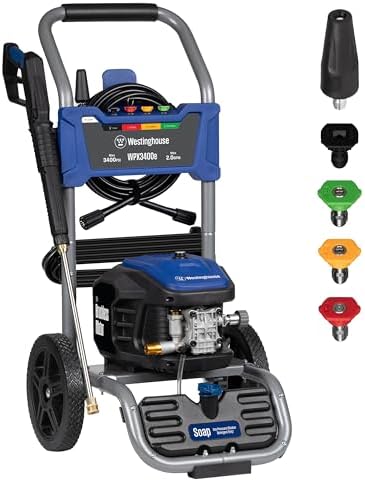
- BCGarden Score8.8
BCGarden scores from 0 to 10 are automatically scored by our AI consumer report tool based upon the data collected. This score has no relationship or impact from any manufacturer or sales agent websites. Learn more
- BrandWestinghouse

- BCGarden Score9.0
BCGarden scores from 0 to 10 are automatically scored by our AI consumer report tool based upon the data collected. This score has no relationship or impact from any manufacturer or sales agent websites. Learn more
- BrandWestinghouse

- BCGarden Score9.4
BCGarden scores from 0 to 10 are automatically scored by our AI consumer report tool based upon the data collected. This score has no relationship or impact from any manufacturer or sales agent websites. Learn more
- BrandIvyBess

- BCGarden Score9.6
BCGarden scores from 0 to 10 are automatically scored by our AI consumer report tool based upon the data collected. This score has no relationship or impact from any manufacturer or sales agent websites. Learn more
- BrandN/A
Last update on 2026-11-17 / Affiliate links / Images, Product Titles, and Product Highlights from Amazon Product Advertising API
Property Maintenance and Cleaning Crews
If washing is billable work, your machine needs a triplex pump, a commercial grade engine and output in the range of about 3.5 to 4.5 gallons per minute, because flow, not pressure, is what rinses a sidewalk or a fleet of trucks fast. A belt drive unit runs the pump slower and cooler for the longest service life. Crews should also think in pairs: a backup mid range machine keeps a route running when the main unit is in the shop.
Farms, Estates and Large Gardens
Big properties generate constant washing: muddy tractors, algae slick paths, greenhouse glass, stable yards and long drives. A sturdy gas unit around 3,000 to 3,800 PSI with a generous flow rate and a 50 foot hose covers that range without dragging the machine to every job. Readers whose needs are strictly domestic will find the lighter class in our best pressure washer for home use guide more sensible, since commercial weight and noise are wasted on a small patio.
Contractors Who Wash Vehicles and Equipment
Washing cars, vans and machinery is a flow and finesse job: enough pressure to strip road film with detergent, never so much, or so close, that paint and decals pay for it. A commercial electric unit suits fixed wash bays with power and water on hand, running quietly indoors without exhaust fumes. Our best pressure washer for cars guide goes deeper on the gentle end of this work, while this article keeps focus on machines built for daily duty.
Pump Type: The Heart of the Machine
Pump design decides commercial lifespan more than any other spec. Axial cam pumps, standard on homeowner machines, are sealed, light and effectively disposable after a few hundred hours. Triplex plunger pumps, the commercial standard, run cooler, deliver smoother flow and can be rebuilt with seal and valve kits, turning a worn pump into a service job instead of a replacement. Belt drive models spin the pump at half engine speed, roughly doubling pump life again at the cost of size and weight. If a listing hides the pump type, assume it is the cheap kind.
Pressure and Flow: Cleaning Units
Multiply PSI by GPM and you get cleaning units, the honest measure of how fast a machine strips dirt from a surface. A 3,500 PSI machine at 4 GPM outcleans a 4,200 PSI machine at 2.5 GPM on flatwork, because water volume does the rinsing. For commercial flatwork and building washing, prioritize flow in the 4 GPM neighborhood; for gum, graffiti and heavy degreasing, pressure earns its keep. Judge machines by the pair of numbers together, the way our general best pressure washer guide teaches for every class.
Engine Class and Duty Rating
Commercial work calls for engines built for it: overhead valve designs from the pro lines of the major makers, with low oil shutdown, cast iron cylinder sleeves and air filtration that survives dusty yards. Electric commercial units trade that for induction motors that run for years with almost no servicing, provided your sites have the amperage they draw. Whichever you choose, check the warranty terms for commercial use specifically, since many machines that look professional are warrantied as homeowner products the moment you earn money with them.
Hose, Fittings and Wand Quality
Fifty feet of quality hose is the commercial minimum, letting you wash a vehicle or a storefront without moving the machine. Steel braided rubber hose outlasts the stiff plastic hose bundled with cheap units, and quick couplers in brass or stainless survive daily connecting that cracks plastic fittings in a month. A sturdy lance with interchangeable nozzles, plus a downstream detergent injector, covers most jobs; a rotating turbo nozzle and a surface cleaner are the two attachments that pay for themselves fastest in pro work.
Frame, Wheels and Service Access
A welded steel frame with pneumatic tires rolls over gravel, curbs and loading ramps without shaking the pump to pieces, and a low center of gravity keeps the unit planted while the hose tugs at it. Just as important is what you can reach: oil drains, pump oil sight glass, filters and spark plug should all be serviceable without removing covers and cursing. Machines that fight their own maintenance do not get maintained, and unmaintained commercial machines die young and expensively.
The gap is duty cycle. A homeowner washer is built for perhaps 30 to 50 hours a year; a commercial unit is built for that much in a fortnight. That difference lives in the pump, the engine internals, the frame and the warranty, not in headline pressure, which is why a 3,800 PSI homeowner unit is not a bargain commercial machine. Cordless washers sit at the far light end of the spectrum for spot jobs, as our best cordless pressure washer guide shows, and they complement rather than replace a pro unit. Buy the class that matches your weekly hours and the machine stops being a recurring emergency.
Between about $600 and $1,000, entry commercial machines pair triplex pumps with mid grade engines and cover estates and light contract work well. From about $1,000 to $2,000, you get belt drive, top tier engines, 4 GPM flow and frames built for trucks and trailers. Above $2,000, hot water units and skid mounted systems enter, for greasy commercial kitchens, fleets and heavy plant. Across the range, reserve budget for a surface cleaner, spare hose and a pump seal kit, because accessories and spares are part of a working system.
- Buying a homeowner machine for daily work because the PSI looked high, then replacing it twice in one season.
- Judging by pressure alone and ignoring flow, so big flatwork jobs take twice the paid hours they should.
- Pointing a zero degree nozzle at skin, tires or painted surfaces, causing injection injuries and costly damage.
- Letting the pump run in bypass for long stretches between sprays, which overheats and destroys pump seals.
- Skipping pump oil changes and inlet filter checks, the two cheapest services and the two most neglected.
- Running an electric unit on an undersized extension lead, starving the motor and voiding the warranty.
Commercial reliability is a routine, not a feature. Check engine oil and pump oil before long days, change pump oil after the first 50 hours and then on the maker's schedule, and clean the water inlet filter weekly in dusty or tank fed work. Inspect hoses for chafing and fittings for leaks, since a burst hose under pressure is both a delay and a hazard. For winter or any freezing storage, drain the pump or fill it with pump saver fluid, and store the machine where it cannot freeze. Keep a log of hours and services on the frame with a paint pen; when a machine earns money, its service history is money too.
What is the best commercial pressure washer for daily use?
For daily use, the best choice is a belt drive or quality direct drive unit with a triplex pump, a commercial rated engine and around 4 GPM of flow, from a maker your local shop services. Exact models matter less than pump type, parts support and warranty terms for commercial work. Buy the machine your nearest dealer can fix quickly, because a pro washer that waits three weeks for parts earns nothing.
Are commercial pressure washers worth it?
Yes, whenever the machine works more than a few hours a week, because the triplex pump and pro engine outlast homeowner units many times over at that duty. The higher purchase price spreads across years of daily service instead of a season of weekends. For a homeowner washing a drive twice a year, the class is overkill; for anyone billing hours or maintaining a large property, it is the cheaper way to own the capability.
How long does a commercial pressure washer last?
A maintained triplex pump typically delivers 1,000 to 2,000 hours or more before a rebuild, and pro engines are built with similar horizons, so five to ten years of regular commercial use is a fair expectation. Seal kits, valves and unloaders are mid life service items, not death sentences. Machines die early from overheating in bypass, freezing with water inside and dirty oil, all of which are preventable.
How do you clean and maintain a commercial pressure washer?
Daily, flush the inlet filter, check both oils and rinse the machine down. Periodically, descale the coil on hot water units, inspect nozzles for wear, since a worn nozzle quietly steals pressure, and grease or replace quick coupler O rings. Never use the machine itself at close range on its own pump and engine; a low pressure rinse and a brush keep it clean without driving water into seals and electrics.
What safety rules matter most with commercial pressure washers?
Treat the jet as a cutting tool: never point it at people, animals or your own boots, because high pressure water can inject through skin and cause injuries that need emergency care even when the skin looks barely marked. Wear eye protection and gloves, use GFCI protected outlets for electric units, and keep gas machines outdoors or vented so exhaust cannot build up. Relieve pressure in the gun before disconnecting any fitting, every time.
Pump first, flow second, pressure third, and a dealer who can service what he sells over all of it: that order of priorities lands you the best commercial pressure washer for real working days. Compare pump types, flow rates and frame design in the product table above, budget for spares and a surface cleaner, and the machine will pay its way for years.

Best Front Deck Ride on Mowers in 2026: Which Type Is Right for You?

Best Brush Cutter for Skid Steer: What to Know Before You Buy

Best Commercial Leaf Blowers in 2026: A Buying Guide
Best DeWalt Hedge Trimmer for 2026: How to Choose Within the Lineup

Best Gas for Zero Turn Mowers Made Simple: A Clear Buying Guide for 2026
Best DeWalt Lawn Mower for 2026: How to Choose
Best Front Throw Lawn Mowers: Matching the Right Model to Your Routine for 2026

How to Choose the Best Craftsman Pressure Washer for 2026








