Best DeWalt Lawn Mower for 2026: How to Choose
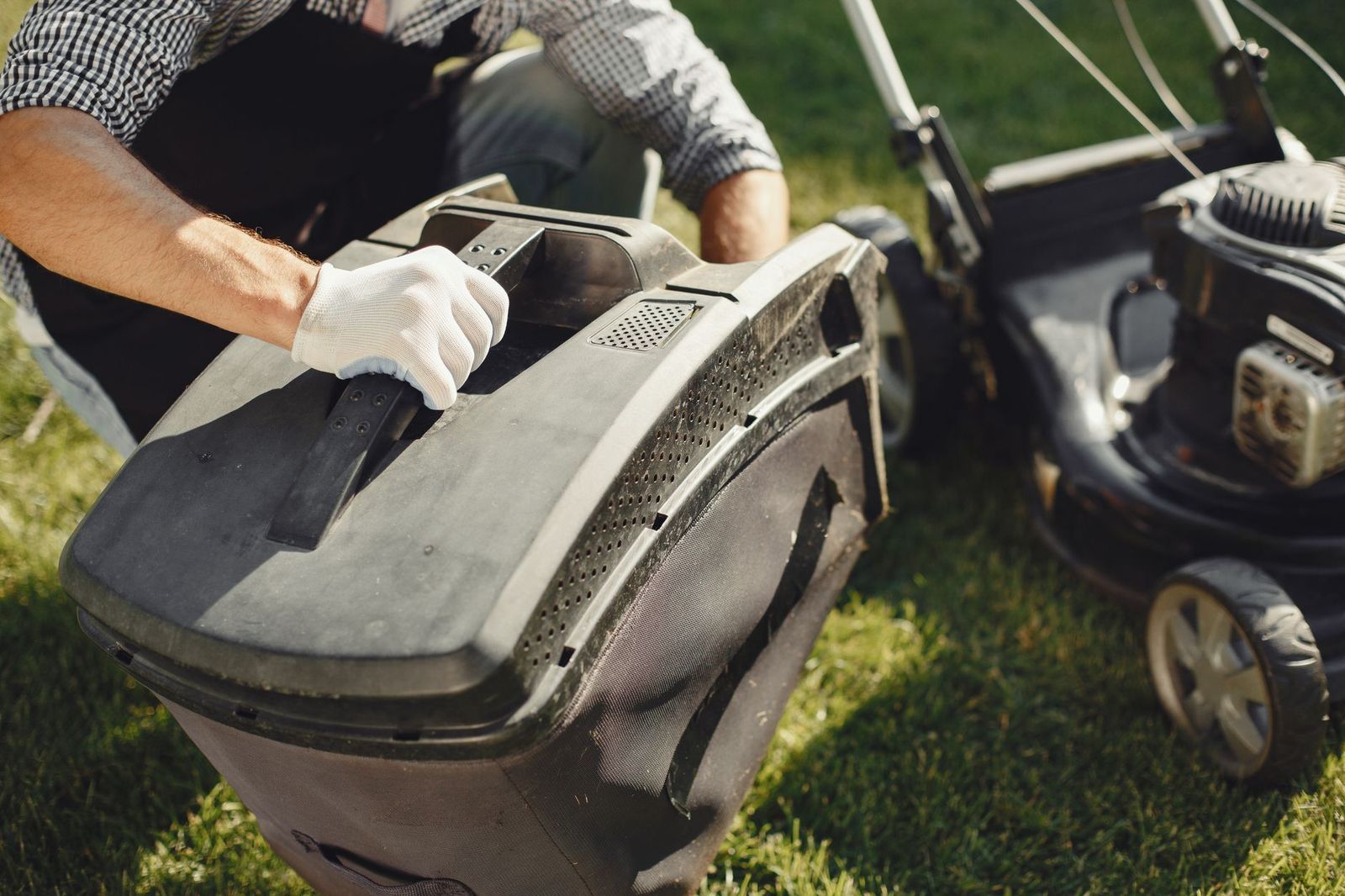
DeWalt built its mower range the way it builds its tools: around a battery platform. Every current DeWalt mower is a cordless walk behind model running on the 20V MAX battery system, in single or dual battery configurations, with push and self propelled drive options. Choosing the best DeWalt lawn mower for your yard means matching battery capacity and drive type to your lawn size and terrain, not comparing engines.
This guide explains how the DeWalt lineup is structured, what runtime to expect from each battery setup, and where a DeWalt mower is the wrong tool no matter which version you pick. It also shows how drive, deck, and battery count divide the range.
Compare Products
Last update on 2026-11-14 / Affiliate links / Images, Product Titles, and Product Highlights from Amazon Product Advertising API
Homeowners Already on the DeWalt 20V MAX Platform
If your drills, trimmers, and blowers already run on DeWalt 20V MAX batteries, a DeWalt mower is the natural fit, because your existing packs and chargers carry over. Owners with several high capacity packs can even consider a bare tool purchase. Runtime still depends on total watt hours in the mower, so count your largest packs, not just the number of batteries on the shelf.
Small to Mid Size Yard Owners Done With Gas
For lawns up to roughly half an acre, a dual battery self propelled DeWalt handles the work with no fuel, no oil, and push button starts. Self propelled drive matters more as yard size grows, because the mower is heavier than a basic gas push model once two large packs are aboard. Flat, open lawns this size are exactly the mower home turf of walk behind electrics, a class covered broadly in our guide to the best electric lawn mower range.
Owners of Large or Rough Lawns
Be honest about the limits here. DeWalt does not sell a riding mower or a zero turn, so a lawn much past half an acre, steep ground, or brushy edges will outgrow the lineup quickly. If that is your property, compare the best zero turn lawn mower options for the big open areas and treat a walk behind as the trim tool instead. Buying a DeWalt mower for acreage leads to mid job battery swaps and frustration by the third weekend.
Battery Configuration and Runtime
DeWalt mowers draw from one or two 20V MAX packs at once, and the dual battery designs effectively double the fuel tank. Runtime claims assume moderate grass; thick, wet, or overgrown lawns can cut them sharply. Think in watt hours: two 10 amp hour packs carry far more mowing than two 5 amp hour packs, even though both fill the same slots. If your yard sits near the edge of a kit runtime, budget for the larger packs from the start rather than discovering the shortfall in July.
Push vs Self Propelled Drive
A push model is lighter, simpler, and cheaper, and it suits small flat lawns where you walk a few hundred feet per cut. Self propelled drive uses some battery charge to move the mower, but on slopes and long runs it saves your shoulders and keeps a steady pace, which improves cut quality. Rear wheel drive versions climb better, since the weight over the drive wheels adds grip when the bag fills. Match drive to terrain first and price second.
Deck Size and Construction
DeWalt mowers use decks around 21 inches, the standard walk behind width that balances coverage with maneuvering around beds and fences. Steel decks take impacts from hidden stones better than poly decks, at the cost of weight. A single lever height adjustment that moves all four wheels together speeds up changes between the front and back yard. Check the height range itself: lawns in hot climates are healthiest cut tall, so a mower that tops out low limits your lawn care options.
Cutting Modes and Bag Capacity
Most models mulch, bag, and side discharge. Mulching returns clippings as free fertilizer and suits weekly cutting, while bagging keeps a clean finish and collects leaves in fall. Bag capacity matters more than it sounds, because a small bag on a lush lawn means stopping every few passes. Look for a bag with a fill indicator or an easy view window if your lawn grows fast. For a general comparison of walk behind formats, our guide to the best push lawn mower range covers deck and bag trade offs across brands.
Storage Footprint and Handle Folding
Battery mowers earn one of their biggest wins in storage: most DeWalt models fold the handle and stand upright, shrinking the garage footprint to a fraction of a gas mower. If your shed space is tight, confirm the folded dimensions and whether the mower stores vertically with batteries removed. Vertical storage also keeps deck scraping and blade checks easy, since the underside faces you instead of the floor.
Within the walk behind world, DeWalt competes on platform loyalty and tool grade build rather than on the lowest price. Gas mowers still win for very heavy cutting and unlimited runtime, and corded electrics win for tiny lawns near an outlet. The honest summary: if your yard fits the runtime and you already own the batteries, a DeWalt mower is among the lowest hassle ways to cut it. Our hub guide to the best lawn mower categories puts these classes side by side if you are still deciding which type fits your property at all.
Kits with batteries and charger generally run about $300 to $550 depending on drive type and pack size, while bare tools for platform owners cost about $100 to $150 less. That pricing sits in the middle of the cordless field: above budget store brands, below the premium dedicated mower brands. Factor in a second set of high capacity packs if your lawn is near the runtime limit, since an extra pair can add about $150 to $250 and still beats buying a second machine.
- Counting small drill batteries as mower fuel, then running out of charge halfway across the yard.
- Buying a push model for a sloped lawn, so every cut becomes an upper body workout.
- Cutting wet or overgrown grass on the lowest setting, which stalls the blade and drains packs fast.
- Storing batteries in a freezing or roasting shed, which shortens their working life.
- Expecting walk behind coverage on an acre plus lawn, and blaming the mower for a sizing error.
- Washing the deck with a hose blast at the motor housing, instead of scraping and brushing.
Keep the blade sharp, because a dull blade tears grass and forces the motor to work harder for every foot of lawn, draining batteries and stressing the drive. Scrape the deck underside after wet cuts so packed clippings do not hold moisture against the steel. Check the blade bolt and wheel hardware each season.
Battery care decides the mower long term life. Store packs indoors at moderate temperatures, ideally partly charged over winter rather than full or empty, and keep contacts clean and dry. Charge with the matched DeWalt charger and let hot packs cool before charging after a heavy cut. A mower and two healthy pack sets can serve many seasons, while neglected batteries are the usual reason owners give up on a sound machine.
Is DeWalt a good lawn mower brand for home yards?
For small to mid size lawns, yes, particularly for owners already invested in the 20V MAX platform, since the mowers share batteries with a wide tool range and fold small for storage. The lineup is deliberately narrow, all cordless walk behind models, so it serves typical suburban yards rather than estates. Support through a large dealer and service network is a genuine plus over no name cordless brands.
How long does a DeWalt lawn mower battery setup run per charge?
It depends on total pack capacity and grass conditions. A dual battery kit with high capacity packs typically covers about a quarter to a half acre of maintained lawn per charge, while heavy or wet growth reduces that noticeably. The practical test is your own lawn at its worst in late spring, not the tidy grass of early season. Owners near the limit usually keep a second charged set ready and swap mid job.
Can a DeWalt mower handle tall or wet grass?
It can, with technique: raise the deck, take half width passes, and slow your pace so the blade keeps its speed. Wet grass packs the deck and drains packs faster, so waiting a few hours for the lawn to dry gives a cleaner cut for the same effort. No walk behind electric matches a strong gas mower in neglected, knee high growth, so reclaiming an overgrown yard may be a job to hire out once, then maintain with the DeWalt.
How do you clean a DeWalt lawn mower?
Remove the batteries and the safety key first, then tip the mower onto its side and scrape the underside with a plastic putty knife, brushing off what remains. Wipe the top shell with a damp cloth and clear the bag mesh so airflow stays strong. Avoid pressure washing, which drives water into bearings and electronics.
How long does a DeWalt lawn mower last?
The mower body and brushless motor commonly serve 7 to 10 years of home use, outlasting the first battery set, which typically gives 3 to 5 years before runtime fades noticeably. Since packs are shared across the platform and sold everywhere, replacing them is simple, and the true lifespan of the mower usually ends at deck rust or a failed drive component rather than the motor.
Buy into the DeWalt mower range for the battery platform and the tidy storage, size the packs to your lawn at its lushest, and pick self propelled drive if you have slopes or distance. Matched that way, the best DeWalt lawn mower is a quiet, low maintenance fit for a typical yard. Compare the classes against your lawn size, and keep blades sharp and packs stored indoors to protect the investment.


Best Gas for Zero Turn Mowers Made Simple: A Clear Buying Guide for 2026
Best Front Throw Lawn Mowers: Matching the Right Model to Your Routine for 2026

How to Choose the Best Craftsman Pressure Washer for 2026

Best Electric Tillers in 2026: A Complete Buying Guide

Best 7 Ton Log Splitters in 2026: Small Splitters, Honest Limits

Best 18 Inch Chainsaws for 2026: A Gardener's Buying Guide

Best Echo Chainsaws: Which Model Suits Your Yard? (2026)

Best Batteries for Lawn Mowers: A First Time Buyer's Guide for 2026