Best Echo Chainsaws: Which Model Suits Your Yard? (2026)
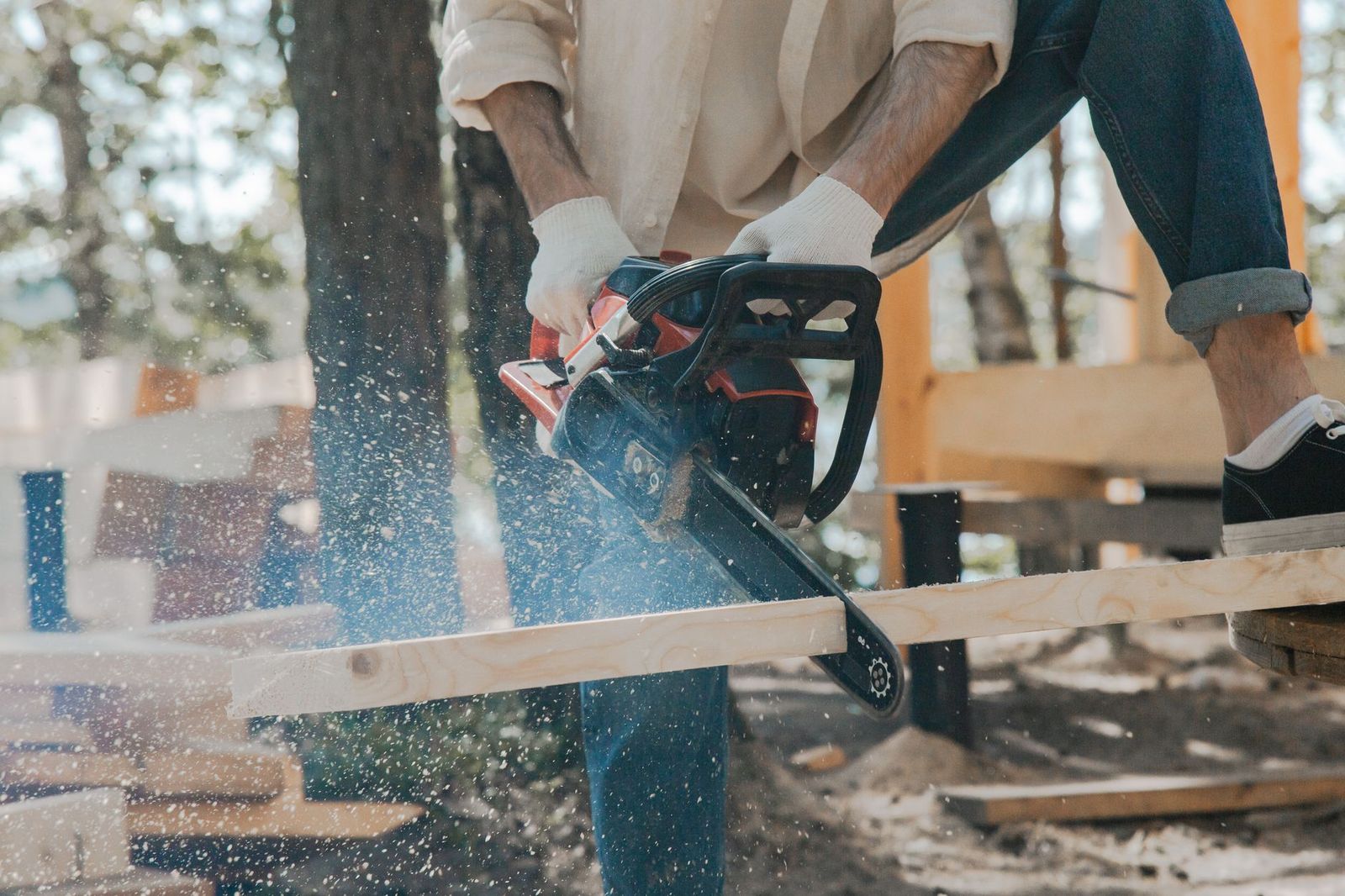
Echo built its reputation in professional hands long before homeowners discovered it, and the brand still leans that way: gas engines tuned for long life, easy starting systems, and a warranty that runs longer than most rivals offer. Finding the best Echo chainsaw for your yard means understanding a lineup that stretches from featherweight pruning saws to the big timber class machine loggers run, all under one orange and black badge.
This guide explains how the Echo range is organized, which features separate its classes, and who each class serves. If you are cross shopping brands before narrowing down, start with our wider best chainsaw overview, then return here to match Echo engine sizes and bar lengths to your cutting.
Compare Products
Last update on 2026-11-13 / Affiliate links / Images, Product Titles, and Product Highlights from Amazon Product Advertising API
Echo buyers tend to want gas power without professional prices, plus support they can find locally. Three groups fit the brand best.
Homeowners Who Want One Gas Saw for Years of Yard Work
If your cutting is storm cleanup, firewood for a stove, and the occasional small tree, the middle of the Echo range was drawn for you. The reduced effort starting system matters more with every passing year, because a saw that starts on the second pull gets used, while a stubborn one gets left in the shed. The long consumer warranty backs the purchase up, and independent dealers across the country stock parts and offer service without shipping the saw away.
Firewood Cutters Who Work Through Several Cords a Season
Echo mid and upper range saws carry a following among firewood producers for honest engines and air filtration that survives dusty bucking yards. The big rear handle class, built around a roughly 60 cc engine, has become a word of mouth favorite for landowners who buck large hardwood regularly but cannot justify professional pricing. If your winters run on wood heat, this is the part of the lineup aimed at your workload.
Arborists and Ground Crews Who Need Light Top Handle Saws
Echo built some of the lightest professional top handle saws in the business, and climbers notice every ounce at height. These saws belong in trained hands only: top handle designs are for aerial work by professionals, never for ground cutting by homeowners, because the layout trades control for compactness. Gardeners reading this for yard work should look at the rear handle classes below and leave the climbing saws to the crews who train with them.
The range reads in four bands. The light band covers compact rear handle saws with bars from about 12 to 16 inches, aimed at pruning, limbing, and small firewood. Engines stay modest, weights stay low, and these are the saws most homeowners should shortlist. The middle band steps to 18 and 20 inch bars with engines in the 40 to 50 cc range, the firewood and general land class where the brand earns much of its loyalty.
The upper band is the big timber territory: engines around 60 cc and above, bars of 20 inches and longer, and construction meant for daily use. Sitting alongside the gas range is a growing battery line built on the brand's 56 volt platform, which borrows the same bar and chain thinking for users leaving fuel behind; the strongest of those sit comfortably beside the best battery chainsaw options from any brand for yard duty. One warning when shopping the lineup: model families overlap in bar length, so compare engine size and weight, not bar length alone.
Brand lineups reward close reading. These are the Echo specifics worth weighing against your workload.
Easy Starting Systems
Echo leans hard on starting ease, and it shows up in two places: a spring assisted starter that cuts the pull effort dramatically on many models, and digital ignition timing that helps the engine catch and settle quickly. For older users, cold mornings, and anyone who has fought a flooded saw, this is not a gimmick. A saw that starts predictably also gets shut off between cuts more often, because restarting holds no dread, and that habit quietly improves safety across a whole work session.
Air Filtration and Engine Protection
The brand's pre filtration system, sold under its own name, spins incoming air so larger dust and chips get thrown off before reaching the filter element. In practice the pleated filter stays cleaner longer in the sawdust cloud of bucking work, which holds power steady and stretches service intervals. When you compare classes, ask how the filter is reached and cleaned: tool free covers that open in seconds get cleaned often, while buried filters get neglected until the saw runs poorly.
Rear Handle or Top Handle Layout
Rear handle saws are the correct layout for everyone cutting on the ground, offering two handed control and better leverage against kickback. Top handle saws exist for climbers working in the canopy, where one hand manages rope and position. Echo makes both, and the price and lightness of the top handle range tempt homeowners every season. Resist the temptation. For ground work around the garden, a rear handle saw in the guidance of our best chainsaw for homeowners roundup is the safe and sensible buy.
Warranty Length and Dealer Coverage
Echo consumer warranty coverage runs to five years on its outdoor power equipment, with shorter commercial terms, and that is longer than most of the segment offers. Read the fine print before purchase, since coverage assumes homeowner use and proper fuel, but the headline matters: the company is betting its engines outlast the warranty window. Pair that with a dealer network of independent shops, and ownership looks like this: parts on a local shelf, a mechanic who knows the model, and no shipping a fuel smelling saw across the country for a carburetor cleaning.
Bar and Chain Compatibility
Echo saws use common bar mounts and chain formats at each size, so replacement bars and loops are easy to source, including from third party makers. Smaller models run low profile 3/8 chain, larger ones move to .325 or full size 3/8 pitch. When you buy, record the pitch, gauge, and drive link count from the bar tail and keep a spare loop in the case. For very light pruning work around shrubs and fruit trees, many owners pair their Echo with a compact tool from the best mini chainsaw class and save the big saw for wood that deserves it.
Echo generally prices below the two big European professional brands at similar engine sizes, which is much of its appeal.
- About $180 to $280: Light rear handle saws for pruning, limbing, and modest firewood, with the easy start system already included.
- About $280 to $450: The middle band for landowners: 18 to 20 inch bars, stronger engines, and filtration suited to regular bucking.
- About $450 to $650: The big timber class for serious firewood and felling, plus the stronger battery kits on the 56 volt platform.
- Above $650: Professional saws and climbing models for commercial crews, where low weight and durability justify the step up.
- Buying a top handle climbing saw for ground work because it is light and cheap, trading away the control layout your safety depends on.
- Judging models by bar length alone, when two saws with the same bar can differ by 20 cc of engine and several pounds.
- Neglecting the air filter because the saw still runs, while dust quietly shortens engine life in the background.
- Using old fuel from the mower can, which clogs the small carburetor passages these engines rely on.
- Assuming the long warranty covers commercial use, when rental or paid work shortens the coverage terms.
Echo engines reward basic fuel discipline above everything else. Mix two stroke fuel at the ratio in the manual with fresh gasoline, or use the brand premixed fuel for storage prone saws, and never let a tank sit through a season of neglect. Clean the air filter on a rhythm rather than a symptom: knock it out and wash or replace it per the manual whenever you sharpen the chain a few times in dusty wood. Check the bar oil flow at the start of every session by holding the tip near a pale surface and watching for the oil line.
Seasonal care is equally plain. Before storage, run the carburetor dry or add stabilizer, clean sawdust from the clutch cover and cooling fins, and inspect the starter rope and recoil spring while the saw is on the bench, since a rope always breaks on the coldest morning. Store the saw cased, chain tension relaxed slightly, in a dry shed away from fertilizer bags, whose fumes corrode metal quietly. Keep your dealer details with the manual, and the first service visit in five years will feel routine instead of desperate.
Is Echo a good chainsaw brand?
Yes, particularly for buyers who want gas reliability without professional pricing. The brand heritage is commercial landscaping and tree work, the starting systems are genuinely easier than most, and the five year consumer warranty is among the longest in the segment. Echo does not chase the cheapest shelf at the big box store, and the saws feel built accordingly. For light battery only users the range is narrower than some rivals, which is the main gap.
Which Echo chainsaw size fits firewood cutting?
For a few cords a year of mixed hardwood, look at the middle band with an 18 or 20 inch bar and an engine around 45 to 55 cc. That class holds chain speed in oak and maple without the weight of the big timber saws. If your logs regularly exceed 20 inches, step up to the roughly 60 cc class; if most of your wood is softwood under 12 inches, the light band will cut it happily and tire you less.
How long is the warranty on an Echo chainsaw?
Consumer coverage runs five years for homeowner use, with a shorter term, commonly two years, for commercial work. Registration and proper fuel use form part of the terms, so file the paperwork and keep receipts for oil and mix. Warranty length is one reason the brand holds resale value well in farm country, where buyers know the coverage and the dealer network behind it.
Should I choose a gas or battery Echo chainsaw for yard work?
Choose the battery models on the 56 volt platform if your sessions are short, your wood is modest, and your property already runs other tools on the same packs. Choose gas for long bucking sessions, remote land, and the widest choice of sizes. Both share the brand bar and chain approach, so the deciding factors are session length and where the work sits, not cutting quality at these sizes.
Where do Echo chainsaws get serviced?
Through the brand network of independent outdoor power dealers, most of which stock common wear parts like filters, bars, chains, and starter parts on the shelf. That local model is a real ownership advantage in rural areas. When you buy, note the nearest dealer and their turnaround in peak season, because a saw that can be serviced twenty minutes away beats a cheaper saw that ships out for a month.
Echo rewards buyers who match class to workload: light saws for the garden, the middle band for firewood, and the big class only when the timber justifies it. Weigh starting ease, filtration, and that long warranty alongside the spec sheet, and the best Echo chainsaw for your land becomes clear. Compare your finalists on the product pages, confirm the dealer you would actually visit, and your saw should still be starting on the second pull many winters from now.


Best Gas for Zero Turn Mowers Made Simple: A Clear Buying Guide for 2026
Best DeWalt Lawn Mower for 2026: How to Choose
Best Front Throw Lawn Mowers: Matching the Right Model to Your Routine for 2026

How to Choose the Best Craftsman Pressure Washer for 2026

Best Electric Tillers in 2026: A Complete Buying Guide

Best 7 Ton Log Splitters in 2026: Small Splitters, Honest Limits

Best 18 Inch Chainsaws for 2026: A Gardener's Buying Guide

Best Batteries for Lawn Mowers: A First Time Buyer's Guide for 2026