Best Commercial Leaf Blowers in 2026: A Buying Guide
On a paid route, a blower that quits at the third property does not just annoy you; it idles a crew and burns the day’s margin. The best commercial leaf blower is built around that math: high air volume for fast clearing, an engine and frame that survive daily hours, and parts a dealer actually stocks. Homeowner blowers can move leaves on a Saturday. Commercial units move them all week, in the rain, at arm’s length from your back for six hours straight.
Commercial models sit at the hard working end of the best leaf blower family, and this guide compares them the way crews do: volume, runtime, harness comfort, noise, and warranty. The comparison table below gathers the main classes in one place. You will also find where electric and vacuum models fit on a real route, the price bands, and the mistakes that turn a good blower into a shop visit.
Compare Products

Husqvarna 580BTS Gas Backpack Leaf Blower, 75.6-cc 4.59-HP 2-Cycle Gas
- BCGarden Score9.0
BCGarden scores from 0 to 10 are automatically scored by our AI consumer report tool based upon the data collected. This score has no relationship or impact from any manufacturer or sales agent websites. Learn more
- BrandHusqvarna

- BCGarden Score8.8
BCGarden scores from 0 to 10 are automatically scored by our AI consumer report tool based upon the data collected. This score has no relationship or impact from any manufacturer or sales agent websites. Learn more
- BrandHusqvarna

- BCGarden Score9.2
BCGarden scores from 0 to 10 are automatically scored by our AI consumer report tool based upon the data collected. This score has no relationship or impact from any manufacturer or sales agent websites. Learn more
- BrandHusqvarna

- BCGarden Score9.2
BCGarden scores from 0 to 10 are automatically scored by our AI consumer report tool based upon the data collected. This score has no relationship or impact from any manufacturer or sales agent websites. Learn more
- BrandECHO

- BCGarden Score8.6
BCGarden scores from 0 to 10 are automatically scored by our AI consumer report tool based upon the data collected. This score has no relationship or impact from any manufacturer or sales agent websites. Learn more
- BrandN/A

- BCGarden Score8.4
BCGarden scores from 0 to 10 are automatically scored by our AI consumer report tool based upon the data collected. This score has no relationship or impact from any manufacturer or sales agent websites. Learn more
- BrandN/A

Schröder Leaf Blower - Schröder Backpack Blower - Gas Leaf
- BCGarden Score8.8
BCGarden scores from 0 to 10 are automatically scored by our AI consumer report tool based upon the data collected. This score has no relationship or impact from any manufacturer or sales agent websites. Learn more
- BrandSchröder

PROYAMA 72CC Gas Backpack Leaf Blower, Garden Yard Cleaning, Snow
- BCGarden Score8.8
BCGarden scores from 0 to 10 are automatically scored by our AI consumer report tool based upon the data collected. This score has no relationship or impact from any manufacturer or sales agent websites. Learn more
- BrandPROYAMA

- BCGarden Score8.8
BCGarden scores from 0 to 10 are automatically scored by our AI consumer report tool based upon the data collected. This score has no relationship or impact from any manufacturer or sales agent websites. Learn more
- BrandThalorus
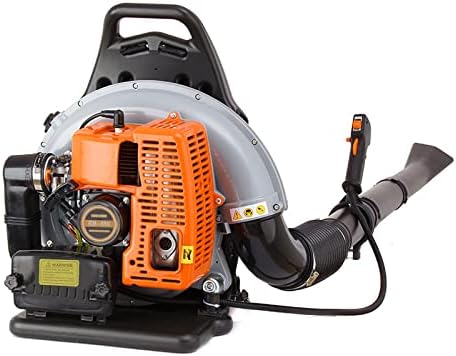
65CC 3.6HP 2 Stroke Backpack Grass Lawn Blower Air Cooling
- BCGarden Score8.4
BCGarden scores from 0 to 10 are automatically scored by our AI consumer report tool based upon the data collected. This score has no relationship or impact from any manufacturer or sales agent websites. Learn more
- BrandHASANEN
Last update on 2026-11-15 / Affiliate links / Images, Product Titles, and Product Highlights from Amazon Product Advertising API
Commercial covers several kinds of paid work, and each stresses the machine differently.
Lawn Care Crews Running Daily Routes
Route work means twenty or more properties a day, quick starts, and no patience for temperamental engines. Backpack gas blowers remain the route standard because they refuel in seconds and run all day on carried gas. Crews should standardize on one or two models across trucks, so air filters, spark plugs, and straps interchange and every operator already knows the machine. A spare blower on the trailer is not a luxury; it is the difference between finishing the route and rescheduling it.
Property Managers for Complexes and HOAs
Complexes add constraints routes never meet: quiet hours, courtyards that trap noise, parking lots that need daily passes, and residents who complain. Managers often run a mixed fleet, with a strong backpack unit for lots and fall work plus quieter machines for early morning touch ups near windows. Noise ratings and local ordinance windows shape this buying decision as much as power does, and the blower that keeps the contract is often the one nobody ever hears about from residents.
Fall Cleanup Contractors on Large Lots
Fall cleanup is volume work: deep, wet leaf blankets over acres of lawn. Contractors here buy the largest backpack class and run two blowers in tandem, one lifting the mat edge and one rolling it forward. Runtime per tank and harness comfort decide the day’s output more than peak specs do, because tired operators slow down long before engines do. For this buyer, dealer support within a short drive is a feature, since a blower down in November is revenue lost at the peak.
Air Volume in CFM, Not Just MPH
Two numbers describe blowing power, and volume is the one that clears yards. CFM measures how much air the tube moves; MPH measures how fast that air travels. Speed scours stuck debris off pavement, but volume is what rolls a leaf pile across a lawn and keeps it moving. Commercial backpack blowers commonly deliver roughly 600 to 1000 CFM through the tube, and that range is where cleanup pace lives. A high MPH rating on a low volume handheld is a parking lot tool at best. When you compare spec sheets, compare CFM first.
Engine Size, Tank Capacity, and Runtime
Most commercial backpack engines fall in the class of about 50 to 75 cc, driving the fan that produces the volume above. Tank size sets the working rhythm: a blower that runs about an hour per fill keeps an operator moving between properties without a fuel stop at every gate. Check where the fuel cap and primer sit with gloves on, and whether the air filter cover opens without tools, because route maintenance happens on tailgates. Two stroke engines need their oil mix measured right every can, every time; sloppy mixing is slow engine death.
Harness Fit, Weight, and Vibration
A commercial blower is worn, not carried, so the harness is half the product. Padded shoulder straps, a chest strap, and on bigger units a hip belt spread a load that can pass 20 pounds fueled. Vibration damping between engine and frame protects hands and elbows across a season. Battery backpack models cut both vibration and noise sharply, and the strongest of the best battery leaf blower class now serve short stop and indoor adjacent routes well, trading runtime per pack for a machine crews fight to use on quiet jobs.
Noise Output and Ordinance Compliance
Blower noise is regulated work. Many cities cap sound levels, restrict gas blowers to set hours, or ban them in certain districts, and a citation lands on the operator and the company. Compare rated sound levels, usually measured at 50 feet, and remember that a few decibels is a large real world difference. Crews should know the rules for every town on the route before the season starts. Hearing protection is non negotiable regardless of ratings: hours beside any blower at full throttle will damage hearing without it, for the operator and the trimmer hand working alongside.
Service Access and Commercial Warranty
Read the warranty for one word: commercial. Many blower warranties shrink or vanish when the unit earns money, so a cheaper homeowner model can be the expensive choice after its first denied claim. Commercial lines back their engines and frames for paid use and sell every wear part through dealers. Field serviceability matters too: filters, plugs, fuel lines, and straps should swap with basic tools in minutes. A blower your crew can fix on the tailgate earns; a blower waiting on a special order part does not.
Corded electric blowers look out of place on a route, but they own one niche: small enclosed courtyards, pool decks, and garage interiors near an outlet, where gas exhaust and noise are unwelcome. The quiet end of the best electric leaf blower class handles those touch up jobs, plugged into a GFCI protected outlet as outdoor electrical work demands. Battery handhelds have taken much of this role, yet a corded unit still runs all day at a fixed site for very little money.
Vacuum capable models earn a slot for detail work. In planting beds, gravel, and parking lot corners, blowing scatters as much as it clears, while the vacuum side of a best vacuum leaf blower picks leaves out of mulch without stripping the mulch away. Crews use them around storefronts and patios where a neat finish matters more than raw pace, then go back to the backpacks for open ground.
Commercial handheld blowers run about $150 to $300 and suit courtyards, lots, and backup duty. The main backpack band runs about $300 to $600, where most route crews buy, with engine size and harness quality tracking the price. The top volume class runs about $600 to $900 and serves fall cleanup and large property work. Price steps buy durability and dealer support as much as power, and for paid work those two are worth more than a spec sheet edge.
- Shopping by MPH alone, so the crew gets a fast, thin stream of air that cannot roll a wet leaf pile across a lawn.
- Putting homeowner grade blowers on paid routes, where the warranty excludes commercial use and the first repair bill erases the savings.
- Starting jobs before local noise hours allow, which draws citations and complaints that cost contracts, not just fines.
- Skipping hearing protection on a full route, trading a season of convenience for permanent hearing damage.
- Leaving spare plugs, filters, and a strap kit off the truck, so a two dollar part idles a three person crew.
Mix fuel at the ratio the maker specifies, use fresh gas, and choose ethanol free fuel where you can, because ethanol draws water that corrodes small engine parts. Clean or swap air filters often on dusty routes, and check the spark plug and fuel lines at the first sign of hard starting rather than the day the engine quits. Inspect harness straps and the tube joints weekly, since worn parts fail under load. In the off season, store blowers with stabilized fuel or drained tanks, off the floor, and log the service each unit received so the whole fleet ages on schedule.
How long does a commercial leaf blower last in daily service?
Expect several seasons of daily route work from a commercial grade unit that gets basic maintenance, with wear parts like straps, filters, and plugs replaced along the way. Engine life tracks fuel quality and air filter care more than brand. Crews plan replacement in rotation rather than all at once, and keep one serviced spare so a failure never idles a route while a unit is in the shop.
Are commercial leaf blowers worth it for one large property?
For a single large property with heavy fall leaf drop, a mid band commercial backpack often pays for itself in weekends saved. For moderate yards it is more machine than the work needs, and a strong homeowner backpack covers it. A fair test: if your current blower takes more than about two hours per cleanup and leaves you dreading the next one, the step up is justified.
How loud is a commercial leaf blower?
Many commercial backpacks are rated around 65 to 75 dB at 50 feet, with the largest units at the top of that range and low noise models below it. Ratings depend on the test style, so compare figures measured the same way. Whatever the rating, local rules set the working hours, and operators still need hearing protection at the throttle, where sound at the ear is far higher than the 50 foot figure.
Can a commercial leaf blower move wet, matted leaves?
Yes, and volume is why. Work the edge of the mat first, lifting and peeling it back in rows instead of pushing at the whole blanket, and short passes beat one long blast that compacts the pile. A nozzle held low slides air under the mat so the sheet rolls. Wet leaves still move slower than dry ones, so quote fall cleanup time with the weather in mind rather than by dry day pace.
What fuel mix do most commercial two stroke blowers use?
Most use a 50 to 1 ratio of gasoline to two stroke oil, but treat that as the common case, not a rule: confirm the ratio in the manual for the unit in your hand, because running the wrong mix wears or seizes an engine. Mix in a marked can, add oil to the gas rather than the reverse, and never use a can of unknown age or content on a route day.
Commercial blowing is a numbers game played on your feet: volume across the lawn, hours across the season, decibels across the neighborhood. Buy the class your work actually needs, confirm the warranty covers paid use, and keep the wear parts on the truck. Use the product table above to compare volume, weight, and noise ratings before you commit. Matched to the route, the best commercial leaf blower is the rare tool that pays its invoice back every single week.

Best DeWalt Hedge Trimmer for 2026: How to Choose Within the Lineup

Best Gas for Zero Turn Mowers Made Simple: A Clear Buying Guide for 2026
Best DeWalt Lawn Mower for 2026: How to Choose

Best Front Throw Lawn Mowers: Matching the Right Model to Your Routine for 2026

How to Choose the Best Craftsman Pressure Washer for 2026

Best Electric Tillers in 2026: A Complete Buying Guide

Best 7 Ton Log Splitters in 2026: Small Splitters, Honest Limits

Best 18 Inch Chainsaws for 2026: A Gardener's Buying Guide