
Best Backyard Gazebos: What to Check Before You Buy
A gazebo promises shade and shelter in one structure, but the gap between a well built one and a flimsy one only becomes obvious after the first real windstorm or a full summer of sun. The best backyard gazebos come down to frame material, roof construction, and getting the footprint sized correctly for the space you actually have, not just how it looks assembled in a showroom photo. This guide walks through hardtop versus soft top roofs, frame material differences, sizing and anchoring, and the maintenance that keeps a gazebo standing and looking good for years instead of one season.
Compare Products

- BCGarden Score9.4
BCGarden scores from 0 to 10 are automatically scored by our AI consumer report tool based upon the data collected. This score has no relationship or impact from any manufacturer or sales agent websites. Learn more
- BrandBackyard Discovery

- BCGarden Score9.4
BCGarden scores from 0 to 10 are automatically scored by our AI consumer report tool based upon the data collected. This score has no relationship or impact from any manufacturer or sales agent websites. Learn more
- BrandBackyard Discovery

- BCGarden Score9.6
BCGarden scores from 0 to 10 are automatically scored by our AI consumer report tool based upon the data collected. This score has no relationship or impact from any manufacturer or sales agent websites. Learn more
- BrandBackyard Discovery
- BCGarden Score9.0
BCGarden scores from 0 to 10 are automatically scored by our AI consumer report tool based upon the data collected. This score has no relationship or impact from any manufacturer or sales agent websites. Learn more
- BrandN/A

- BCGarden Score9.4
BCGarden scores from 0 to 10 are automatically scored by our AI consumer report tool based upon the data collected. This score has no relationship or impact from any manufacturer or sales agent websites. Learn more
- BrandYardistry

- BCGarden Score8.0
BCGarden scores from 0 to 10 are automatically scored by our AI consumer report tool based upon the data collected. This score has no relationship or impact from any manufacturer or sales agent websites. Learn more
- BrandYOLENY

- BCGarden Score9.0
BCGarden scores from 0 to 10 are automatically scored by our AI consumer report tool based upon the data collected. This score has no relationship or impact from any manufacturer or sales agent websites. Learn more
- Branddomi outdoor living

- BCGarden Score9.4
BCGarden scores from 0 to 10 are automatically scored by our AI consumer report tool based upon the data collected. This score has no relationship or impact from any manufacturer or sales agent websites. Learn more
- BrandModern Shade Outdoor Living Spaces

- BCGarden Score8.2
BCGarden scores from 0 to 10 are automatically scored by our AI consumer report tool based upon the data collected. This score has no relationship or impact from any manufacturer or sales agent websites. Learn more
- BrandN/A

- BCGarden Score8.0
BCGarden scores from 0 to 10 are automatically scored by our AI consumer report tool based upon the data collected. This score has no relationship or impact from any manufacturer or sales agent websites. Learn more
- BrandN/A

- BCGarden Score8.6
BCGarden scores from 0 to 10 are automatically scored by our AI consumer report tool based upon the data collected. This score has no relationship or impact from any manufacturer or sales agent websites. Learn more
- BrandSunjoy

- BCGarden Score8.2
BCGarden scores from 0 to 10 are automatically scored by our AI consumer report tool based upon the data collected. This score has no relationship or impact from any manufacturer or sales agent websites. Learn more
- BrandVORTEXTOVE

- BCGarden Score9.0
BCGarden scores from 0 to 10 are automatically scored by our AI consumer report tool based upon the data collected. This score has no relationship or impact from any manufacturer or sales agent websites. Learn more
- BrandMUPATER

- BCGarden Score9.8
BCGarden scores from 0 to 10 are automatically scored by our AI consumer report tool based upon the data collected. This score has no relationship or impact from any manufacturer or sales agent websites. Learn more
- BrandOasisphere
Last update on 2026-11-26 / Affiliate links / Images, Product Titles, and Product Highlights from Amazon Product Advertising API
These three stand out in the product table above for different budgets and needs.
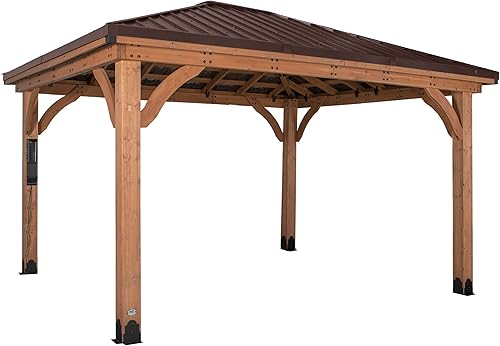
Best overall: the Backyard Discovery Norwood 16 ft. x 12 ft. Cedar, around $3,736, is our first choice from the table.
Best value: the Domi 12x20FT Lean to Gazebo, around $1,899, is the lowest priced of these three.
Also great: the Backyard Discovery Arcadia 24' x 12' Cedar Wood Outdoor, around $3,599, is another strong option with a different set of features.
The roof type is the first major fork in the road, and it affects durability, cost, and how much upkeep the gazebo needs going forward.
Hardtop Gazebos
Hardtop gazebos use rigid roofing, usually galvanized steel, aluminum, or polycarbonate panels, which handle rain, snow load, and UV exposure far better than fabric over the long run. They're heavier and typically need a more permanent setup, including solid anchoring, but they hold their shape through winter weather that would sag or tear a soft top canopy. A hardtop is generally the better choice if the gazebo is staying up year round rather than being taken down each fall.
Soft Top Gazebos
Soft top gazebos use fabric canopies, usually polyester with a UV and water resistant coating, over a metal frame. They cost less and are easier to take down for winter storage, which extends the fabric's lifespan considerably compared to leaving it up through snow and ice. The tradeoff is that even a good canopy fabric will eventually fade or need replacing, typically every few years, while a hardtop roof can last a decade or more with minimal attention.
The frame is what keeps a backyard gazebo standing when the wind picks up, and material choice here matters as much as the roof.
Steel and Aluminum Frames
Powder coated steel frames are the sturdiest common option and handle wind loads well, especially on hardtop models, though the coating needs to be intact at every joint to prevent rust from starting at welds. Aluminum frames are lighter and naturally rust resistant, which makes them easier to move or reposition, but they generally flex more in strong wind than steel and work best for smaller or seasonal gazebos rather than large, permanent structures.
Wood Frames
Cedar or pressure treated wood frames bring a more traditional, built in look and pair naturally with a permanent hardtop roof. Cedar resists rot and insects without heavy chemical treatment, while pressure treated lumber costs less but needs a sealant reapplied every couple of years to keep moisture from working into the joints over time.
A gazebo that fits the patio dimensions on paper can still feel cramped or oversized once furniture and people are actually inside it.
Common Sizes and What They Fit
Compact 10 by 10 foot gazebos suit a small seating area for two to four people, while 12 by 14 feet or larger comfortably fits a dining set or a larger lounge arrangement. Measure your intended spot including clearance for chairs to slide out and doors or windows nearby that shouldn't be blocked, rather than just measuring the footprint of the gazebo itself.
Anchoring for Wind Stability
Permanent gazebos anchored into a concrete pad or deck with real bolts are dramatically more wind stable than a freestanding model resting on its own weight, especially for hardtop designs that catch more wind load than an open frame soft top. If permanent anchoring isn't an option, look for a gazebo with weighted leg bags or ground stakes rated for the structure's size, and never leave a soft top canopy up during a serious storm warning regardless of how it's anchored.
A gazebo left completely unmaintained will show its weakest material first, whether that's a rusting weld, a moldy canopy, or a warped wood post. Rinse hardtop roofing and frames periodically to clear pollen, leaves, and debris that trap moisture against the surface, and check powder coated joints each season for chips that expose bare metal underneath. Soft top canopies benefit from being taken down and stored dry over winter, since UV exposure and snow weight are what shorten fabric life the fastest. Wood frames need a fresh coat of sealant every one to two years to keep moisture from working into joints and causing rot from the inside out, which is usually harder to spot early than surface level wear on metal or fabric.
What's the difference between a gazebo and a pergola?
A gazebo has a full, solid or fabric roof designed to block sun and rain completely, while a pergola typically has an open lattice or slatted top that filters light rather than blocking it entirely. Gazebos also tend to be fully or partially enclosed on the sides, where pergolas are usually open structures.
Can a gazebo stay up year round?
Hardtop gazebos with a properly anchored frame can generally stay up through all four seasons, including snow load in most climates. Soft top canopy gazebos are better taken down or at least uncovered during winter, since snow and ice accumulation can tear or collapse fabric roofing.
What size gazebo do I need for a backyard?
A 10 by 10 foot gazebo fits a small seating group of two to four people, while 12 by 14 feet or larger accommodates a dining table or a bigger lounge setup. Always measure your actual space with furniture and clearance in mind rather than the gazebo's footprint alone.
How do you keep a gazebo from blowing over?
Permanent anchoring into a concrete pad or deck offers the most wind stability, especially for hardtop models. Weighted leg bags or ground stakes are the next best option for gazebos that need to stay movable or seasonal.
Are hardtop or soft top gazebos better?
Hardtop gazebos last longer with less maintenance and handle year round weather better, while soft top gazebos cost less upfront and are easier to store seasonally. The better choice depends on whether the structure will stay up permanently or come down each winter.
How long does a gazebo canopy last?
A quality UV and water resistant polyester canopy typically lasts three to five years with regular use, longer if it's taken down and stored during winter months. Constant sun and snow exposure without any seasonal break will shorten that lifespan considerably.
Choosing the right backyard gazebo comes down to deciding between a hardtop and soft top roof based on how the structure will be used year round, then matching frame material and size to your actual space and climate. Get the anchoring right along with those choices, and a gazebo can stand up to real weather for years instead of needing repairs or replacement after one rough season.


Best Deck Solar Lights for 2026: Steps, Rails and Posts

Best Gazebo With Netting for 2026: How to Judge Mesh, Fit and Zippers

Best Dimmable Outdoor String Lights: A Buying Guide for 2026
Best Fire Pit for Covered Patio in 2026: How to Add Fire Under a Roof Safely

Best Gazebo for Patio in 2026: Shade That Fits Your Slab and Furniture
Best Edison Outdoor String Lights for 2026: Bulb Shapes and Glow

Best Fence Solar Lights for 2026: A Garden Buying Guide
Best 12x14 Gazebo for 2026: Two Zones in One Rectangle








