Best Fruit Fly Trap
A few fruit flies around ripening produce can turn into a swarm within days, since females lay eggs almost as fast as you can clear a counter. Swatting them individually is a losing battle, which is why most households and gardeners eventually reach for a dedicated trap instead. The best fruit fly trap lures adults away from food and plants using scent rather than chemicals, breaking the breeding cycle instead of just knocking down the visible population for a day. Different trap styles work better in different settings, whether that is a kitchen counter or a greenhouse bench, so it pays to match the mechanism to where you actually have a problem. Here is what to look for.
Compare Products

- BCGarden Score8.6
BCGarden scores from 0 to 10 are automatically scored by our AI consumer report tool based upon the data collected. This score has no relationship or impact from any manufacturer or sales agent websites. Learn more
- BrandZEVO

- BCGarden Score8.6
BCGarden scores from 0 to 10 are automatically scored by our AI consumer report tool based upon the data collected. This score has no relationship or impact from any manufacturer or sales agent websites. Learn more
- BrandDOVSAV

- BCGarden Score9.0
BCGarden scores from 0 to 10 are automatically scored by our AI consumer report tool based upon the data collected. This score has no relationship or impact from any manufacturer or sales agent websites. Learn more
- BrandFooxem

VEYOFLY Fruit Fly Traps Indoor Plug-in UV, Gnat Trap, 2
- BCGarden Score8.2
BCGarden scores from 0 to 10 are automatically scored by our AI consumer report tool based upon the data collected. This score has no relationship or impact from any manufacturer or sales agent websites. Learn more
- BrandVEYOFLY

- BCGarden Score8.2
BCGarden scores from 0 to 10 are automatically scored by our AI consumer report tool based upon the data collected. This score has no relationship or impact from any manufacturer or sales agent websites. Learn more
- BrandBURLAN

- BCGarden Score8.0
BCGarden scores from 0 to 10 are automatically scored by our AI consumer report tool based upon the data collected. This score has no relationship or impact from any manufacturer or sales agent websites. Learn more
- BrandBAIMNOCM
- BCGarden Score-
BCGarden scores from 0 to 10 are automatically scored by our AI consumer report tool based upon the data collected. This score has no relationship or impact from any manufacturer or sales agent websites. Learn more
- BrandLFSYS

- BCGarden Score-
BCGarden scores from 0 to 10 are automatically scored by our AI consumer report tool based upon the data collected. This score has no relationship or impact from any manufacturer or sales agent websites. Learn more
- BrandLFSYS

- BCGarden Score9.0
BCGarden scores from 0 to 10 are automatically scored by our AI consumer report tool based upon the data collected. This score has no relationship or impact from any manufacturer or sales agent websites. Learn more
- BrandN/A
Last update on 2026-10-16 / Affiliate links / Images, Product Titles, and Product Highlights from Amazon Product Advertising API
These three stand out in the product table above for different budgets and needs.
Best overall: the Zevo Flying Insect Trap for Fruit Flies & Gnats, around $43, is our first choice from the table.
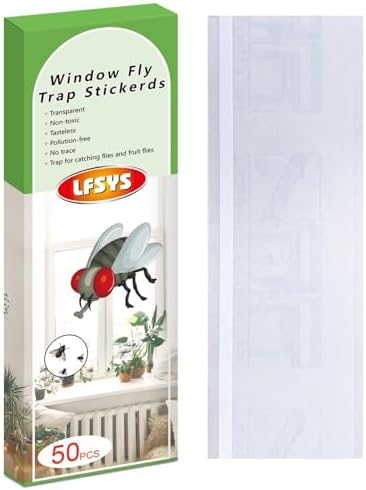
Best value: the LFSYS 50 Window Fly Traps Indoor Fruit Fly Traps, around $14, is the lowest priced of these three.
Also great: the Fruit Fly Traps for Indoors, around $36, is another strong option with a different set of features.
Vinegar style traps use a fermented scent to lure flies into a container they cannot easily escape, and work well for kitchen counters and compost areas where you want a low profile, chemical free option. Sticky traps use a colored, scented card coated in adhesive, catching flies on contact rather than luring them into a chamber.
UV light traps combine light attraction with a sticky surface or fan, and tend to work best in larger spaces like greenhouses or garages where flies have more room to disperse before finding a scent based trap.
A one way funnel entrance is what separates a genuinely effective vinegar trap from a bowl of vinegar left uncovered, since flies drawn in by scent still need to be physically prevented from flying back out once they realize the liquid is not actually food.
Apple cider vinegar and overripe fruit remain the most reliable natural attractants, and many trap designs are built specifically around refilling with these rather than proprietary liquids. Traps that require branded refill cartridges can add ongoing cost compared to ones you can top off yourself.
Choosing the best fruit fly trap for long term use often means favoring a design you can refill cheaply rather than one locked into a specific consumable.
A few drops of dish soap added to a vinegar trap breaks the surface tension, which is what actually drowns the flies rather than just letting them float on top and eventually escape, so this small detail matters more than the vinegar itself in a homemade setup.
Indoor traps work best placed directly near the source, like a fruit bowl or trash can, rather than across the room, since fruit flies do not travel far once a food source is established. Outdoor or greenhouse traps benefit from being hung near overripe fruit, compost bins, or areas with consistent moisture where flies tend to congregate.
A trap placed too far from the actual attraction point will catch far fewer flies, regardless of how good the trap design is.
Multiple smaller traps spread across a kitchen counter, near the sink, and by the trash tend to outperform a single larger trap in one spot, since fruit flies scatter across several food sources rather than congregating in just one location once a kitchen infestation is underway.
A wider trap opening and larger reservoir mean less frequent emptying, which matters during a heavy infestation when a small trap can fill within a day or two. Look for traps that disassemble easily for cleaning, since a sticky, fly filled trap left too long becomes unpleasant to deal with.
Reusable traps save money over a season compared to disposable versions, provided you are willing to clean and refill them regularly.
A trap with a wide mouth lid that unscrews fully, rather than a narrow pour spout, makes both refilling and dumping out drowned flies considerably less fiddly, which matters more once you are managing several traps at once during a bad infestation.
How long does it take a fruit fly trap to work?
Most traps show noticeable results within 24 to 48 hours, though a heavy infestation may take a week or more of consistent use to fully break the breeding cycle.
Do fruit fly traps also catch gnats?
Many traps that use vinegar or sweet attractants will catch fungus gnats and other small flying insects as well, though gnats respond better to traps with a moist soil based lure.
Can fruit fly traps be used around pets?
Most vinegar and sticky traps pose minimal risk to pets, but keep any trap out of reach of curious cats or dogs to prevent them from disturbing or ingesting the contents.
Why do fruit flies keep coming back after trapping some?
Traps only catch adult flies, not eggs or larvae already present in fruit or drains, so ongoing sanitation alongside trapping is usually necessary to fully resolve an infestation.
Are homemade fruit fly traps as effective as store bought ones?
A simple bowl of apple cider vinegar with a few drops of dish soap works reasonably well, though dedicated traps with a one way entry design tend to catch more flies over time.
Do UV light traps work well outdoors during the day?
UV traps are most effective in low light conditions, so they work best indoors, in greenhouses, or outdoors in shaded or evening settings rather than in direct daylight.
Can fruit fly larvae in drains cause a trap to seem ineffective?
Yes, drains and disposals are a common overlooked breeding site, so pouring boiling water or a drain safe enzyme cleaner down suspect drains alongside trapping addresses a source traps alone cannot reach.
Should traps be placed before fruit flies actually appear?
Setting a trap preemptively during peak produce season, rather than waiting for a visible problem, can catch the first arrivals before they establish a breeding population in the first place.
A dedicated trap works best combined with basic sanitation, like covering ripening fruit and emptying compost regularly. Match the trap type to your space, whether that is a kitchen counter or a greenhouse, and you can usually clear an infestation within a week or two of staying consistent with both trapping and cleanup.


Best Planters for Tomatoes: A Container Size Guide

Best Cordless Hedge Trimmer Under $150: What That Budget Actually Buys

Best Soil Thermometer for Planting at the Right Time

Best Outdoor Storage Bench for Patios and Decks

Best Misting System for Patio

Best Patio Umbrellas: A Complete Shade Buying Guide

How to Choose the Best Hydroponic Nutrients

Best Compost Tumblers for Faster, Easier Backyard Composting