Best Planters for Tomatoes: A Container Size Guide
Most tomato plants that stall out, drop blossoms, or produce a handful of small fruit in containers aren't suffering from bad luck, they're growing in a pot that was simply too small for the variety planted in it. The best planters for tomatoes start with volume matched to the plant's mature size, then add the drainage and material features that keep roots healthy through a full, hot growing season. This guide walks through what actually separates a container that produces a real harvest from one that limits a plant no matter how well you care for it.
Compare Products

- BCGarden Score8.6
BCGarden scores from 0 to 10 are automatically scored by our AI consumer report tool based upon the data collected. This score has no relationship or impact from any manufacturer or sales agent websites. Learn more
- BrandN/A
- BCGarden Score8.4
BCGarden scores from 0 to 10 are automatically scored by our AI consumer report tool based upon the data collected. This score has no relationship or impact from any manufacturer or sales agent websites. Learn more
- BrandN/A

- BCGarden Score9.0
BCGarden scores from 0 to 10 are automatically scored by our AI consumer report tool based upon the data collected. This score has no relationship or impact from any manufacturer or sales agent websites. Learn more
- BrandN/A

- BCGarden Score8.2
BCGarden scores from 0 to 10 are automatically scored by our AI consumer report tool based upon the data collected. This score has no relationship or impact from any manufacturer or sales agent websites. Learn more
- BrandMQFORU

- BCGarden Score8.8
BCGarden scores from 0 to 10 are automatically scored by our AI consumer report tool based upon the data collected. This score has no relationship or impact from any manufacturer or sales agent websites. Learn more
- BrandN/A

- BCGarden Score8.6
BCGarden scores from 0 to 10 are automatically scored by our AI consumer report tool based upon the data collected. This score has no relationship or impact from any manufacturer or sales agent websites. Learn more
- BrandMQHUAYU

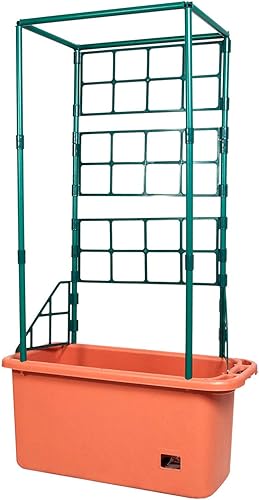
Raised Garden Bed with Tomato Cage & Trellis, 56" Self-Watering
- BCGarden Score8.2
BCGarden scores from 0 to 10 are automatically scored by our AI consumer report tool based upon the data collected. This score has no relationship or impact from any manufacturer or sales agent websites. Learn more
- BrandN/A

- BCGarden Score8.8
BCGarden scores from 0 to 10 are automatically scored by our AI consumer report tool based upon the data collected. This score has no relationship or impact from any manufacturer or sales agent websites. Learn more
- BrandBiotolot

- BCGarden Score8.6
BCGarden scores from 0 to 10 are automatically scored by our AI consumer report tool based upon the data collected. This score has no relationship or impact from any manufacturer or sales agent websites. Learn more
- BrandSYITCUN

- BCGarden Score8.6
BCGarden scores from 0 to 10 are automatically scored by our AI consumer report tool based upon the data collected. This score has no relationship or impact from any manufacturer or sales agent websites. Learn more
- BrandN/A

- BCGarden Score9.0
BCGarden scores from 0 to 10 are automatically scored by our AI consumer report tool based upon the data collected. This score has no relationship or impact from any manufacturer or sales agent websites. Learn more
- BrandMoirsunt

- BCGarden Score8.2
BCGarden scores from 0 to 10 are automatically scored by our AI consumer report tool based upon the data collected. This score has no relationship or impact from any manufacturer or sales agent websites. Learn more
- BrandQaobo
Last update on 2026-10-16 / Affiliate links / Images, Product Titles, and Product Highlights from Amazon Product Advertising API
These three stand out in the product table above for different budgets and needs.
Best overall: the MQHUAYU 4 Pack Raised Garden Bed Planter Box, around $51, is our first choice from the table.

Best value: the MQHUAYU 2-Pack Tomato Planter with Trellis, around $25, is the lowest priced of these three.
Best premium pick: the Hydrofarm GCTR Tomato Grow System, around $62, costs more but steps up in features.

Determinate and dwarf tomato varieties, the ones bred to stay compact, can produce reasonably well in 5 to 7 gallon containers. Indeterminate varieties, which keep growing and fruiting until frost, need considerably more, usually 15 to 20 gallons minimum, to support the root mass a full-season plant develops. Planting an indeterminate variety in a container sized for a determinate one is one of the most common reasons container tomatoes underperform compared to the same variety grown in the ground, since the roots simply run out of room to support the top growth, and matching variety to volume is the single biggest factor separating the best planters for tomatoes from containers that just happen to have a tomato in them.
Tomatoes in containers dry out faster than tomatoes in the ground and need correspondingly more frequent watering, which makes drainage quality more important than it might seem. Multiple drainage holes near the bottom edge, not just a single center hole, prevent water from pooling in the corners of square or rectangular planters. A planter that drains too slowly during a heavy rain can drown roots within a day, while one that drains too fast in peak summer heat can leave a plant wilting between waterings, so consistent, even drainage across the whole base matters more than the total number of holes.
Dark plastic and thin metal planters absorb heat fast in direct sun, which can push root zone temperatures high enough to stress a tomato plant on the hottest days of summer. Terracotta and wood insulate better but lose moisture faster through porous walls, meaning more frequent watering. Thick-walled plastic and resin composites split the difference reasonably well, holding moisture longer than terracotta while running cooler than thin dark plastic. In consistently hot climates, a lighter-colored container of any material generally outperforms a dark one on root temperature alone.
Tomatoes are especially prone to blossom end rot when watering is inconsistent, since the calcium uptake problem behind that condition is triggered more by uneven moisture than by soil calcium levels themselves. Self-watering planters, which hold a water reservoir beneath the soil that wicks moisture up as needed, smooth out exactly the kind of watering gaps that cause this problem. They cost more upfront than a basic pot but often pay that back in fewer split or rotted fruit over a season, particularly for anyone who can't water on a strict daily schedule.
Beyond total volume, depth specifically matters for tomatoes because their root systems grow deep when given the chance, and a wide but shallow container limits that even if the total gallon capacity looks adequate on paper. Aim for at least 12 inches of depth for any indeterminate variety, since shallow-rooted plants are also more prone to tipping once a tall, fruit-heavy vine catches wind. A deep, sturdy container also gives a stake or cage something solid to anchor into, which matters more with tomatoes than almost any other container vegetable.
Fabric grow bags cost less than most rigid planters of equivalent size and offer excellent drainage and airflow through their porous walls, which naturally prunes roots at the fabric edge and encourages a denser root system inside. The tradeoff is that they dry out faster than rigid containers and don't hold their shape once filled, so they work best set somewhere they won't need to be moved once planted. For gardeners testing a new tomato variety or growing several containers on a budget, they're one of the most cost-effective options in this category.
How many gallons does a tomato plant need?
Determinate varieties do reasonably well in 5 to 7 gallons, while indeterminate varieties need 15 to 20 gallons or more to support their full-season root growth and fruit production.
Can I grow tomatoes in a 5 gallon bucket?
Yes, but only for compact determinate or dwarf varieties, and only with drainage holes drilled into the bottom, since a standard bucket has none by default and will otherwise drown the roots after the first heavy watering.
Do tomato planters need to be a specific color?
Color isn't a hard requirement, but darker containers absorb more heat in direct sun, which can stress roots in hot climates, so a lighter shade is generally a safer default unless the container gets partial afternoon shade.
Are self-watering planters worth it for tomatoes?
For anyone prone to inconsistent watering schedules, yes, since even moisture significantly reduces blossom end rot and fruit splitting, two of the most common container tomato problems tied directly to watering gaps.
How often should container tomatoes be watered?
Daily during peak summer heat is common for containers under 10 gallons, since they dry out much faster than garden soil, while larger containers and self-watering designs can often stretch to every other day.
Can I reuse the same planter for tomatoes every year?
Yes, as long as the soil is refreshed or replaced between seasons and the container is cleaned to reduce the risk of carrying over soil-borne diseases like early blight from one year's plants to the next.
Getting the volume right for the specific variety being grown solves most container tomato problems before they start, since drainage, material, and watering strategy only matter once the plant actually has enough room to develop a healthy root system. Among the best planters for tomatoes, size comes first, then everything else gets refined around that choice.


Best Compost Tumblers for Faster, Easier Backyard Composting

Best Compost for Planters: A Complete Buying Guide (2026)
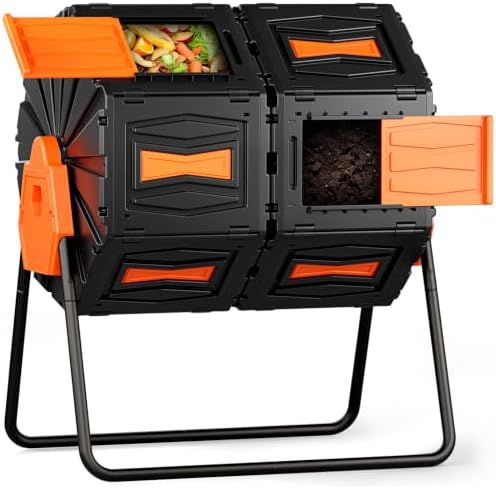
Best Kitchen Compost Bins That Actually Control Odor

Best Hummingbird Feeders for a Steady Backyard Visit
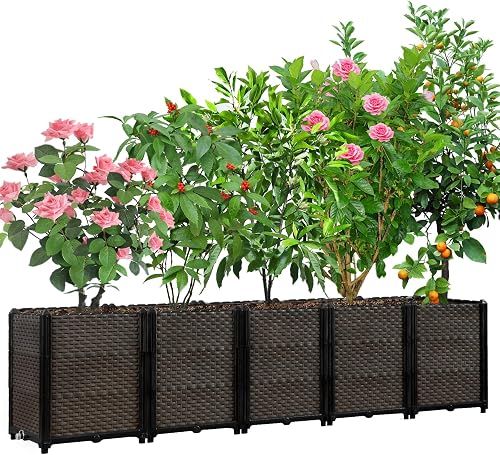
Best Deck Planters: How to Protect Your Deck and Plants

Best Plant Fertilizer Spikes

Best Soil Testers for Knowing What Your Garden Actually Needs

Best Ceramic Planters: A Buyer's Guide to Glazed Pots