Best Ceramic Planters: A Buyer's Guide to Glazed Pots
Ceramic planters bring a glossy, finished look that plastic and resin rarely match, which is exactly why they show up so often on patios, porches, and windowsills. That glazed finish comes with real trade offs, though, including weight, breakage risk, and a tendency to crack in cold weather that catches a lot of buyers off guard after their first hard freeze. The best ceramic planters account for all of that up front, matching glaze type, drainage, and placement to how and where the planter will actually be used. This guide breaks down the specific things ceramic buyers need to check that do not apply to other planter materials.
Compare Products

- BCGarden Score9.4
BCGarden scores from 0 to 10 are automatically scored by our AI consumer report tool based upon the data collected. This score has no relationship or impact from any manufacturer or sales agent websites. Learn more
- BrandN/A

- BCGarden Score9.0
BCGarden scores from 0 to 10 are automatically scored by our AI consumer report tool based upon the data collected. This score has no relationship or impact from any manufacturer or sales agent websites. Learn more
- BrandN/A
- BCGarden Score9.2
BCGarden scores from 0 to 10 are automatically scored by our AI consumer report tool based upon the data collected. This score has no relationship or impact from any manufacturer or sales agent websites. Learn more
- BrandN/A
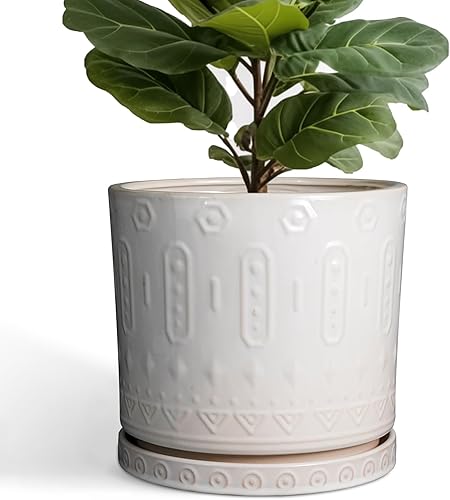
- BCGarden Score9.6
BCGarden scores from 0 to 10 are automatically scored by our AI consumer report tool based upon the data collected. This score has no relationship or impact from any manufacturer or sales agent websites. Learn more
- BrandN/A

- BCGarden Score9.2
BCGarden scores from 0 to 10 are automatically scored by our AI consumer report tool based upon the data collected. This score has no relationship or impact from any manufacturer or sales agent websites. Learn more
- BrandN/A

- BCGarden Score9.2
BCGarden scores from 0 to 10 are automatically scored by our AI consumer report tool based upon the data collected. This score has no relationship or impact from any manufacturer or sales agent websites. Learn more
- BrandN/A

- BCGarden Score9.2
BCGarden scores from 0 to 10 are automatically scored by our AI consumer report tool based upon the data collected. This score has no relationship or impact from any manufacturer or sales agent websites. Learn more
- BrandN/A

- BCGarden Score9.2
BCGarden scores from 0 to 10 are automatically scored by our AI consumer report tool based upon the data collected. This score has no relationship or impact from any manufacturer or sales agent websites. Learn more
- BrandN/A

- BCGarden Score9.8
BCGarden scores from 0 to 10 are automatically scored by our AI consumer report tool based upon the data collected. This score has no relationship or impact from any manufacturer or sales agent websites. Learn more
- BrandN/A
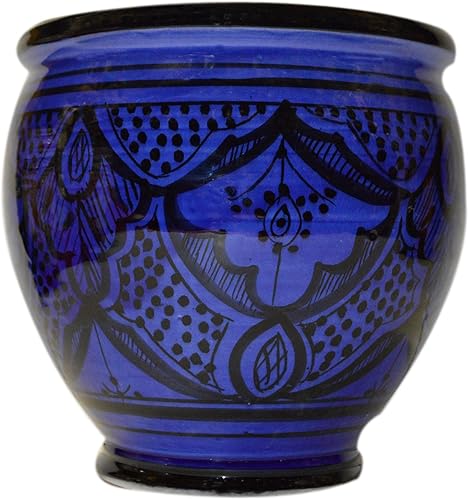
- BCGarden Score9.6
BCGarden scores from 0 to 10 are automatically scored by our AI consumer report tool based upon the data collected. This score has no relationship or impact from any manufacturer or sales agent websites. Learn more
- BrandN/A

- BCGarden Score9.6
BCGarden scores from 0 to 10 are automatically scored by our AI consumer report tool based upon the data collected. This score has no relationship or impact from any manufacturer or sales agent websites. Learn more
- BrandN/A
Last update on 2026-10-14 / Affiliate links / Images, Product Titles, and Product Highlights from Amazon Product Advertising API
These three stand out in the product table above for different budgets and needs.
Best overall: the 24" Tall Large Planters for Outdoor Plants, around $98, is our first choice from the table.
Best value: the Ceramic Planter, around $62, is the lowest priced of these three.
Also great: the Autodaya 24" Large Tall Outdoor Planters, around $85, is another strong option with a different set of features.
Glazed ceramic has a hard, shiny coating fired onto the surface that seals the clay and makes it nearly waterproof, which means water can only escape through the drainage hole rather than evaporating through the pot's walls. Unglazed terra cotta, by contrast, is porous and breathes, letting moisture evaporate through the sides, which dries soil out faster but also makes it far more forgiving of overwatering. Glazed pots suit plants that prefer consistent moisture, while unglazed pots suit anything that dislikes wet roots, so matching glaze type to the plant is worth doing before matching it to the room's color scheme.
Ceramic is heavier than resin or plastic and, unlike those materials, it chips and cracks rather than flexing when dropped or knocked against a hard surface. Larger ceramic planters in particular need careful handling during setup, since a chip in the glaze at the rim or base can become a starting point for a larger crack down the line. Buying a planter with a slightly thicker wall generally improves impact resistance, though it also adds to the weight, so there is a real trade off between durability and how easily you can move the pot later.
Ceramic is one of the more freeze prone planter materials because moisture that gets into the clay body, especially through an unglazed base or a hairline crack in the glaze, expands when it freezes and can split the pot from the inside out. Some manufacturers rate specific lines as freeze resistant using a denser, less porous clay body, and checking for that rating matters if the planter will stay outside year round in a climate with hard winters. Emptying and storing ceramic planters indoors or in a garage over winter remains the most reliable way to avoid this kind of damage in colder regions, even with a freeze resistant rating.
Many decorative ceramic planters, especially ones sold primarily for their look, ship with no drainage hole at all and are meant to be used as a cachepot around a separate plastic nursery pot rather than planted into directly. Drilling a hole into finished ceramic is possible with a diamond tipped masonry bit and a slow, careful approach, but it carries a real risk of cracking the piece, so it works better as a planned modification than a last minute fix. If drilling is not something you want to attempt, keeping the plant in its original nursery pot and simply setting it inside the ceramic piece avoids the problem entirely while still getting the look you want.
Ceramic planters marketed for indoor use often use a thinner, lighter weight clay body since they never face freeze thaw cycles or heavy rain, while outdoor rated ceramic uses a denser body specifically to resist cracking and moisture absorption. Using an indoor rated ceramic planter outside in a cold climate is one of the more common ways people end up with a cracked pot after a single winter, so checking the manufacturer's intended use before placing it outdoors matters more with ceramic than with most other planter materials. Retailers do not always label this distinction clearly, so when in doubt, ask directly whether a specific piece is rated for year round outdoor exposure rather than assuming a decorative label means it can handle real weather. This one question, more than color or shape, tends to separate the best ceramic planters for a covered porch from the ones better suited to a mantel or a sunny windowsill indoors.
Why do ceramic planters crack in winter?
Moisture that seeps into the clay body through the base or a small crack in the glaze expands when it freezes, which can split the pot from the inside, making drainage and winter storage important in cold climates.
What is the difference between glazed and unglazed ceramic planters?
Glazed ceramic has a sealed, nearly waterproof surface that holds moisture longer, while unglazed terra cotta is porous and lets water evaporate through the walls, drying out faster but tolerating overwatering better.
Can I drill a drainage hole in a ceramic planter?
Yes, using a diamond tipped masonry bit at a slow speed, though there is a real risk of cracking the piece, so many people instead keep the plant in its original pot set inside the decorative ceramic one.
Are ceramic planters heavier than plastic or resin ones?
Yes, noticeably, which improves stability outdoors in wind but also makes larger ceramic planters harder to move and more prone to injury if handled improperly during setup.
Can I leave ceramic planters outside all winter?
Only if the planter is specifically rated freeze resistant with a dense clay body, and even then, emptying and storing them indoors over winter remains the safest way to avoid cracking in cold climates.
Do ceramic planters need a saucer?
Yes, especially indoors, since drainage water needs somewhere to go that will not stain flooring or furniture, and a saucer sized to the planter's base handles that without adding much bulk.
The best ceramic planters come down to matching glaze type to your plant's watering needs, checking freeze resistance if they will live outdoors, and planning for weight and breakage risk during setup. Handle those details correctly, and a ceramic planter can bring a genuinely finished look to a space for many years without the cracking or drainage problems that catch less careful buyers off guard.


Best Raised Garden Beds for Vegetables and Flowers

Best Amaryllis Bulb Kits: What to Buy and What to Skip

The Best Gardening Kits for Kids: Buying Guide & Top Picks

Best Garden Tote Bags: Our Top Picks and Buying Tips

Best Bird Feeders: A Buying Guide for Every Backyard

Best Bonsai Tree Kits: Our Top Picks and Buying Tips

The Best Terrarium Kits: Buying Guide & Top Picks
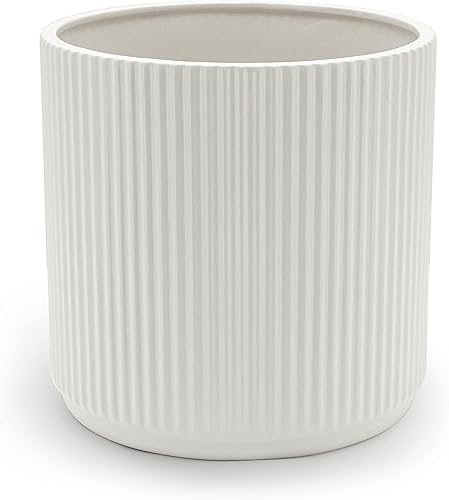
The Best Poinsettia Planters: Buying Guide & Top Picks