Best Raised Garden Beds for Vegetables and Flowers
Soil quality, drainage, and reach all improve with a raised bed, but only if the material, height, and width are actually right for the space and the plants going into it. The best raised garden beds hold up to years of soil moisture without rotting or rusting through, and they're sized so every plant is reachable without stepping into the bed and compacting the soil. Here's what separates a bed that lasts from one that needs replacing in a few seasons.
Compare Products

Infinite Cedar Premium Cedar Raised Garden Bed - 4' x
- BCGarden Score9.2
BCGarden scores from 0 to 10 are automatically scored by our AI consumer report tool based upon the data collected. This score has no relationship or impact from any manufacturer or sales agent websites. Learn more
- BrandN/A

Gardener's Supply Company Elevated Cedar Raised Garden Bed 2' x
- BCGarden Score8.8
BCGarden scores from 0 to 10 are automatically scored by our AI consumer report tool based upon the data collected. This score has no relationship or impact from any manufacturer or sales agent websites. Learn more
- BrandGardener's Supply Company
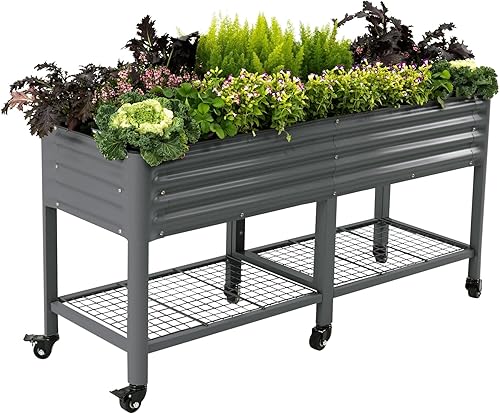
Vego garden Rolling Elevated Raised Garden Bed, 2' x 6'
- BCGarden Score9.2
BCGarden scores from 0 to 10 are automatically scored by our AI consumer report tool based upon the data collected. This score has no relationship or impact from any manufacturer or sales agent websites. Learn more
- BrandN/A

- BCGarden Score9.0
BCGarden scores from 0 to 10 are automatically scored by our AI consumer report tool based upon the data collected. This score has no relationship or impact from any manufacturer or sales agent websites. Learn more
- BrandN/A

- BCGarden Score9.2
BCGarden scores from 0 to 10 are automatically scored by our AI consumer report tool based upon the data collected. This score has no relationship or impact from any manufacturer or sales agent websites. Learn more
- BrandVegTrug

FOOWIN 6x3x2ft Raised Garden Bed Outdoor, Galvanized Steel Garden Beds
- BCGarden Score8.8
BCGarden scores from 0 to 10 are automatically scored by our AI consumer report tool based upon the data collected. This score has no relationship or impact from any manufacturer or sales agent websites. Learn more
- BrandN/A

Olle Metal Raised Garden Bed Easy Quick Setup Metal Garden
- BCGarden Score9.2
BCGarden scores from 0 to 10 are automatically scored by our AI consumer report tool based upon the data collected. This score has no relationship or impact from any manufacturer or sales agent websites. Learn more
- BrandN/A

- BCGarden Score9.2
BCGarden scores from 0 to 10 are automatically scored by our AI consumer report tool based upon the data collected. This score has no relationship or impact from any manufacturer or sales agent websites. Learn more
- BrandN/A
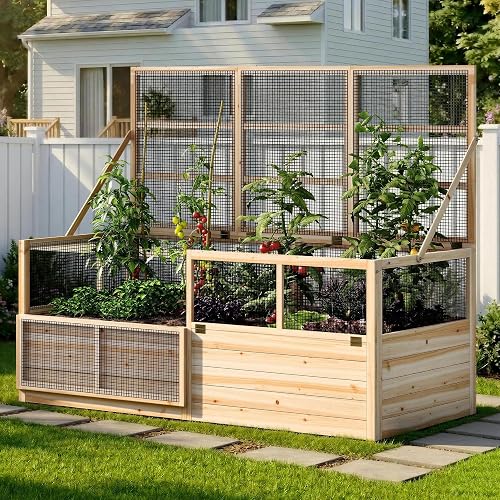
AMERLIFE Raised Garden Bed with Fencing and Trellis,18" Planting Depth
- BCGarden Score8.2
BCGarden scores from 0 to 10 are automatically scored by our AI consumer report tool based upon the data collected. This score has no relationship or impact from any manufacturer or sales agent websites. Learn more
- BrandN/A

Permasteel Raised Garden Bed with Legs, 40×20×37 in, Planter Box
- BCGarden Score9.4
BCGarden scores from 0 to 10 are automatically scored by our AI consumer report tool based upon the data collected. This score has no relationship or impact from any manufacturer or sales agent websites. Learn more
- BrandN/A

Vego garden 26" Extra Tall Raised Garden Bed Kits, 6
- BCGarden Score9.6
BCGarden scores from 0 to 10 are automatically scored by our AI consumer report tool based upon the data collected. This score has no relationship or impact from any manufacturer or sales agent websites. Learn more
- BrandN/A
Last update on 2026-10-11 / Affiliate links / Images, Product Titles, and Product Highlights from Amazon Product Advertising API
Cedar and redwood resist rot naturally without chemical treatment, making them the most common choice for anyone growing food, since there's no concern about treated lumber chemicals leaching into edible soil. Expect a well-built cedar bed to last roughly a decade before boards need replacing, longer with a liner between soil and wood.
Galvanized metal beds resist rot entirely and tend to outlast wood, though they can heat up soil faster in direct summer sun, which matters more in hot climates than mild ones. Composite and recycled plastic beds split the difference: they don't rot or rust and generally cost less over time than replacing wood every several years, but they don't have the same natural look.
A shallow bed, around six to eight inches, works fine for shallow-rooted crops like lettuce and herbs but limits root vegetables like carrots or anything that needs real depth. A deeper bed, twelve inches or more, supports a much wider range of plants and also means less bending for anyone gardening with back or knee concerns.
Taller beds, sometimes called elevated or table-height beds, remove the need to kneel or bend at all, which matters a lot for gardeners with mobility limitations, though they hold noticeably less soil volume and can dry out faster in hot weather.
Corner brackets and wall thickness affect how well a bed holds its shape once it's full of wet soil, which pushes outward with real force over time. Thin panels without reinforced corners can bow or separate within a season or two, especially in taller beds where the pressure is greater at the base.
A bed wider than about four feet becomes hard to reach the middle of from either side without stepping in, which compacts soil and undoes some of the benefit of raising it in the first place. Beds accessible from only one side, like those against a fence or wall, should generally stay under two and a half feet wide for the same reason.
Length is far more flexible than width since it doesn't affect reach, so it's worth sizing based on available space rather than trying to match a specific kit dimension.
Leaving at least two to three feet of walking space around every side of a bed makes a bigger difference to how usable a garden feels than most people plan for upfront, since narrow paths make it hard to maneuver a wheelbarrow or kneel comfortably while weeding.
Raised beds drain faster than in-ground planting by design, which is usually an advantage but means more frequent watering, especially in hot weather or with a shallower bed that holds less soil volume to retain moisture. Lining the bottom with hardware cloth keeps burrowing pests out while still allowing water and worm activity between the bed and the ground underneath.
Filling a new bed with a mix of topsoil, compost, and a soil conditioner produces better results than plain topsoil alone, since raised beds don't have the same access to the broader soil ecosystem that in-ground plots benefit from.
What's the best material for a raised garden bed?
Cedar and redwood are the most common choices for food gardens since they resist rot naturally without chemical treatment. Galvanized metal lasts longer overall but can heat soil faster in direct sun, and composite or recycled plastic beds avoid both concerns but cost more upfront.
How deep should a raised garden bed be?
Six to eight inches works for shallow-rooted crops like lettuce and herbs, while twelve inches or more supports a much wider range of plants, including root vegetables. Deeper beds also mean less bending, which matters for anyone with back or knee concerns.
How wide should a raised bed be?
Beds accessible from both sides should stay under about four feet wide so the center is reachable without stepping in and compacting the soil. Beds against a wall or fence, reachable from only one side, should generally stay under two and a half feet.
Do raised beds need to be lined at the bottom?
Lining with hardware cloth is a common step to keep burrowing pests like gophers out while still allowing drainage and worm activity between the bed and the ground below. It's optional but worth doing if burrowing pests are a known issue in the area.
Do raised beds need more watering than in-ground gardens?
Generally yes, since raised beds drain faster by design, which is good for preventing waterlogged roots but does mean the soil dries out more quickly, especially in shallower beds or hot weather.
What should I fill a new raised bed with?
A mix of topsoil, compost, and a soil conditioner produces better results than plain topsoil alone. Raised beds don't have access to the surrounding soil ecosystem that in-ground plots benefit from, so the initial fill matters more.
Are metal raised beds safe for growing vegetables?
Yes, galvanized metal is considered safe for food gardens and doesn't leach chemicals into soil the way older, non-galvanized or treated materials might. The main practical concern is heat buildup in direct summer sun rather than any safety issue.
The right raised garden bed comes down to matching material to your climate and budget, then sizing height and width around what you're growing and how easily you need to reach it. Getting those basics right upfront avoids the common frustration of a bed that's either too shallow for what you planted or too wide to tend without stepping in.


Best Amaryllis Bulb Kits: What to Buy and What to Skip

The Best Gardening Kits for Kids: Buying Guide & Top Picks

Best Garden Tote Bags: Our Top Picks and Buying Tips

Best Bird Feeders: A Buying Guide for Every Backyard

Best Bonsai Tree Kits: Our Top Picks and Buying Tips

The Best Terrarium Kits: Buying Guide & Top Picks
The Best Poinsettia Planters: Buying Guide & Top Picks

Best Paperwhite Bulb Kits: Our Top Picks and Buying Tips