
Best Gardening Gloves of 2026: A Practical Buying Guide
A good pair of gloves is the difference between an hour of pleasant work and a week of picking thorns out of your fingers. When you shop for the best gardening gloves, the right choice depends on the jobs you do most, because the pair that shrugs off rose thorns is rarely the pair you want for sowing seeds. This guide walks through materials, fit and grip so you can match a pair to your yard, and the product table sums up the main styles side by side.
Price is only part of the decision. A cheap pair that splits at the seams in a month costs more over one season than a sturdy pair that lasts for years. The sections below focus on the construction details that predict how long a glove will hold up, how it should feel on your hand, and how to care for it once it comes home and starts getting dirty.
Compare Products
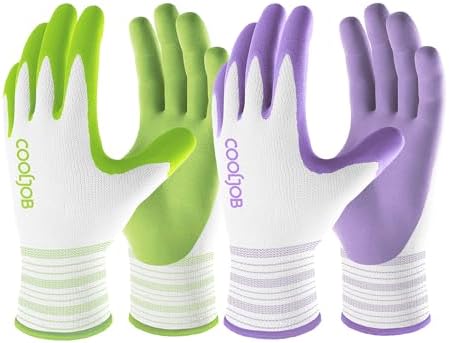
- BCGarden Score9.4
BCGarden scores from 0 to 10 are automatically scored by our AI consumer report tool based upon the data collected. This score has no relationship or impact from any manufacturer or sales agent websites. Learn more
- BrandCOOLJOB

HANDLANDY Long Gardening Gloves for Men & Women, Pigskin Leather
- BCGarden Score9.2
BCGarden scores from 0 to 10 are automatically scored by our AI consumer report tool based upon the data collected. This score has no relationship or impact from any manufacturer or sales agent websites. Learn more
- BrandHANDLANDY

- BCGarden Score9.2
BCGarden scores from 0 to 10 are automatically scored by our AI consumer report tool based upon the data collected. This score has no relationship or impact from any manufacturer or sales agent websites. Learn more
- BrandLOCCEF

- BCGarden Score9.2
BCGarden scores from 0 to 10 are automatically scored by our AI consumer report tool based upon the data collected. This score has no relationship or impact from any manufacturer or sales agent websites. Learn more
- BrandN/A
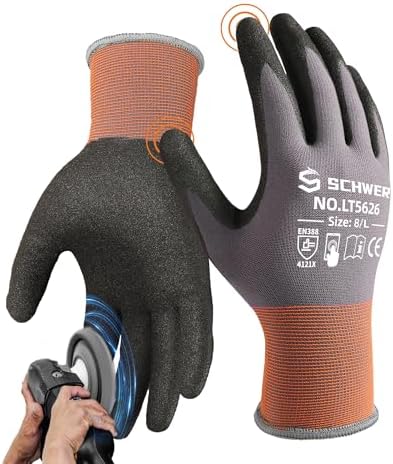
- BCGarden Score9.0
BCGarden scores from 0 to 10 are automatically scored by our AI consumer report tool based upon the data collected. This score has no relationship or impact from any manufacturer or sales agent websites. Learn more
- BrandSchwer

- BCGarden Score9.4
BCGarden scores from 0 to 10 are automatically scored by our AI consumer report tool based upon the data collected. This score has no relationship or impact from any manufacturer or sales agent websites. Learn more
- BrandN/A

- BCGarden Score9.2
BCGarden scores from 0 to 10 are automatically scored by our AI consumer report tool based upon the data collected. This score has no relationship or impact from any manufacturer or sales agent websites. Learn more
- BrandN/A

- BCGarden Score9.2
BCGarden scores from 0 to 10 are automatically scored by our AI consumer report tool based upon the data collected. This score has no relationship or impact from any manufacturer or sales agent websites. Learn more
- BrandOZERO
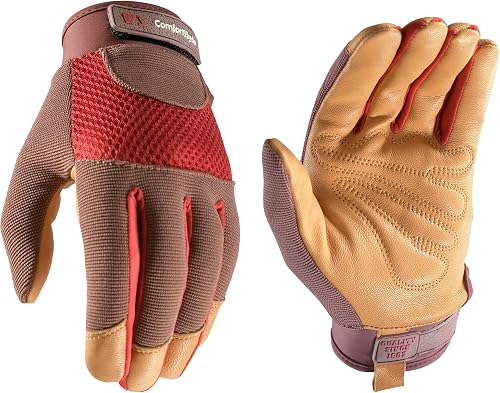
- BCGarden Score9.2
BCGarden scores from 0 to 10 are automatically scored by our AI consumer report tool based upon the data collected. This score has no relationship or impact from any manufacturer or sales agent websites. Learn more
- BrandWells Lamont

- BCGarden Score9.4
BCGarden scores from 0 to 10 are automatically scored by our AI consumer report tool based upon the data collected. This score has no relationship or impact from any manufacturer or sales agent websites. Learn more
- BrandWZQH

- BCGarden Score9.2
BCGarden scores from 0 to 10 are automatically scored by our AI consumer report tool based upon the data collected. This score has no relationship or impact from any manufacturer or sales agent websites. Learn more
- BrandN/A
Last update on 2026-11-25 / Affiliate links / Images, Product Titles, and Product Highlights from Amazon Product Advertising API
Rose Growers and Thorn Wranglers
If your weekends involve roses, brambles, barberry or pyracantha, puncture resistance matters more than anything else on the label. You want thick palms, reinforced fingertips and a long gauntlet cuff that covers the forearm, because thorn tips find bare wrists faster than any other spot. Leather is the classic answer here, and many rose growers keep one heavy pair that does nothing but pruning and training work. Thin fashion gloves and stretchy knit gloves will not survive a single serious session with a climbing rose, so treat them as a different tool for a different job.
Vegetable Gardeners and Potting Shed Regulars
Gardeners who pot seedlings, divide perennials and work beds after rain spend their day in damp soil, and damp soil soaks through cotton and plain leather in minutes. Coated palms and full waterproof styles keep hands dry and make mud rinse off at the tap instead of grinding into the fabric. If wet work is your normal routine, look at the best waterproof gardening gloves before anything else, because dry hands stay warm hands, and you will work longer and more carefully when your fingers are not cold and wrinkled.
Gardeners Who Struggle to Find a Good Fit
Gloves are cut on averaged hand patterns, and anyone with notably small or large hands feels that compromise every time they close a fist. Purpose sized ranges help a lot: the best gardening gloves for women are usually cut narrower through the palm with shorter fingers, while the best gardening gloves for men run wider with more room across the knuckles. If standard unisex gloves bunch at your fingertips or split at the thumb seam, switching to a sized range is often a bigger comfort upgrade than spending more on materials.
Material and What Each One Does Best
Leather is the durability benchmark: cowhide and goatskin resist thorns and abrasion, soften with use and can last for years when they are kept dry and conditioned. The best leather gardening gloves earn their keep on pruning, hauling and rough work, but leather is a poor choice for constant wet digging because repeated soaking makes it stiff. Synthetic palms and stretch fabrics dry fast, cost less and give a snugger fit for fine work, while nitrile coated palms add grip and water resistance for potting and weeding. Cotton sits at the light duty end, fine for dry tidying and little else. Most gardeners end up owning two materials rather than forcing one pair to do everything.
Grip and Finger Dexterity
Grip decides whether a wet trowel handle stays in your hand or twists out of it. Textured latex or nitrile coatings on the palm and fingers hold smooth handles securely, and they make a real difference when you are pulling roots from damp soil. Dexterity pulls in the opposite direction: every layer of padding that protects you also dulls your feel for small seeds, seedlings and tie wire. A practical test is to pick up a coin or a single seed from a flat surface while wearing the glove. If you cannot do it, that pair is a digging and hauling glove, not a sowing and transplanting glove, no matter what the packaging claims.
Fit, Sizing and Cuff Style
A glove that fits well protects better because your hand stays where the padding is. Your palm should feel snug without pressure across the knuckles, fingertips should just reach the ends of the glove fingers, and the thumb should move without pulling the palm out of shape. Cuff style is the other half of fit. Short cuffs are easy to pull on and off for quick jobs, but soil and grit fall inside them all day. Gauntlet cuffs that reach toward the elbow keep debris out and shield forearms during pruning, at the cost of warmth in summer. Many gardeners choose short cuffs for the beds and gauntlets for the roses.
Breathability and Comfort in Hot Weather
A glove you cannot stand to wear in July protects nothing, because it stays in the shed. Mesh and open weave backs let heat escape and suit dry summer work, while fully coated palms trap sweat and turn clammy within the hour. Lighter colors also help more than you would expect, since dark fabrics bake in direct sun while you kneel at a bed. If you garden in a hot climate, treat breathability as a working feature rather than a luxury, and consider keeping one light pair for summer and saving the heavy leather pair for the cooler months when your hands welcome the insulation.
Water Resistance, Linings and Cold Weather Use
Water resistant and waterproof are not the same promise. A resistant coating sheds splashes and damp soil but eventually wets through, while a true waterproof membrane keeps hands dry through a morning of potting in soaked mix. Linings are the seasonal half of this choice: a thin fleece or brushed lining turns an ordinary work glove into something usable for early spring and late fall sessions, when bare metal handles are cold enough to sting. Unlined gloves give better feel in warm weather. Think about the months when you actually garden most, and buy for those conditions first instead of for the worst day of the year.
Wrap a soft tape around your dominant hand at the widest point, just below the knuckles and not including the thumb, then match that measurement to the size chart on the listing rather than guessing from your usual clothing size. Charts differ between brands, so a medium in one range can fit like a large in another. Once the gloves arrive, make a fist, spread your fingers wide and pick up a small hand tool. The palm should not bind, the fingertips should not fold over, and no seam should press into the web of your thumb. If you plan to wear a thin liner in cold weather, size for that combination from the start.
Basic cotton and jersey gloves sell for under $15 and suit light, dry tidying for a season or so. The middle of the market, about $15 to $30, covers coated synthetic gloves and split leather work gloves, and it is where most home gardeners get the best balance of grip, fit and lifespan. Above $30 you are paying for full grain leather, gauntlet cuffs and careful stitching, which pays off for thorn work and daily use. Paying more buys construction quality, not magic, so match the spend to the hardest job the pair will actually face.
- Buying one pair for every job, then wrecking your fine sowing gloves on thorn work or wet concrete.
- Guessing your size instead of measuring, which leaves fingertip fabric folding over and blistering your grip.
- Wearing plain cotton gloves for spraying, when the product label calls for chemical rated gloves and bare skin ends up exposed.
- Leaving gloves wadded up in a damp bucket, which grows mildew and cracks leather within weeks.
- Choosing the thinnest, prettiest pair for rose pruning and learning the hard way how far a thorn tip reaches.
- Judging grip in a dry store aisle, when the real test is a wet handle pulled from muddy soil.
Shake soil out of your gloves after every session and let them dry open and flat in moving air, never bunched in a pocket or sealed in a plastic bin. Fabric and coated gloves can usually be rinsed or machine washed on a gentle cycle, then air dried away from direct heat, because radiators and dryers cook coatings and shrink cotton. Leather gloves want the opposite routine: brush them clean, let them dry slowly at room temperature, and work in a leather conditioner when they start to feel stiff. Store pairs clipped together in a dry spot, inspect seams and fingertips each spring, and retire a pair when the palm wears smooth, since a glove that no longer grips invites the very slips it was bought to prevent.
How do I know if gardening gloves fit correctly?
A correct fit feels snug across the palm with no pressure points, and your fingertips just reach the end of each glove finger. Make a fist and then pick up a coin from a table: if you can do both without the palm fabric twisting, the size is right. Fabric that bunches at the fingertips will fold and wear through quickly, and a glove that is too tight tires your hand within the hour.
Are leather gardening gloves better than synthetic gloves?
Neither material wins everywhere. Leather outlasts synthetics on thorn work, hauling and rough digging, and it molds to your hand over time. Synthetics and coated fabrics grip better when wet, dry faster after washing and usually fit smaller hands more closely. The honest answer is that the two materials cover different jobs, which is why experienced gardeners so often own one pair of each rather than searching for a single glove that does everything well.
Can I use my regular gardening gloves for spraying garden chemicals?
Only if the spray label allows it, and many labels do not. A large share of garden sprays require chemical resistant gloves, commonly nitrile, and fabric or leather gloves absorb product and hold it against your skin. Keep a dedicated pair of label approved gloves just for spraying, store them away from children and pets, and wash your hands after handling them. When a label and your habit disagree, the label wins every time.
Do gardening gloves stop every thorn?
No glove stops every thorn, and it helps to know that before you grab a blackberry cane. Thick leather defeats most rose thorns, but long hawthorn and blackberry thorns can punch through thinner leather and through any knit back. Technique closes the gap: cut stems first, then lift the cut piece with tongs or by its base instead of squeezing the thorny middle. Gloves reduce the damage; they do not make thorn work carefree.
How long should a pair of gardening gloves last?
A hard used leather pair can last several years, a coated synthetic pair usually gives one to three seasons, and light cotton gloves may not finish a single busy summer. Lifespan tracks hours of work more than calendar time, so daily gardeners wear gloves out far faster than weekend gardeners. Rotating two pairs extends the life of both, because each pair dries fully between uses instead of staying damp and breaking down from the inside.
Start with the job you do most, then choose the material, fit and cuff that serve that job, and let price follow. Measure your hand instead of guessing, keep chemicals matched to label approved gloves, and give leather and wet work their own separate pairs. With those habits, the best gardening gloves for your yard stop being a lucky guess and become a simple matching exercise. Check the product table above for the current styles and sizes before you order, since ranges and prices change through the season.

Best Bird Feeder for Hummingbirds: A Buying Guide for 2026

Best Garden Kneeler for Bad Knees in 2026: A Buying Guide

Best Brome Bird Feeders of 2026: Which Model Should You Buy?
Best Gardening Gloves for Roses in 2026: Thorn Protection That Still Lets You Work

Best Hardware Cloth for Raised Garden Beds: Budget, Midrange, and Premium Picks
Best Large Planters: Types Compared and How to Choose

Best Window Boxes: A Buyer's Sizing and Material Guide

Best Bird Feeder for Cardinals: How to Attract Cardinals in 2026








