
Best Water Flow Meter for Garden Hose
If your water bill keeps climbing every summer, or you've ever wondered exactly how much water a soaker hose actually puts down during a two hour session, a garden hose flow meter answers the question with a real number instead of a guess. These small inline gauges thread onto a spigot or between a hose and a sprinkler, then track gallons or liters as water passes through, giving you hard data instead of a rough feel for "how long is long enough." They're cheap, simple, and surprisingly useful for anyone trying to dial in drip irrigation timing, fill a rain barrel to a known volume, or just stop overwatering raised beds out of habit. Picking the right one comes down to a handful of features that separate a genuinely accurate tool from a novelty gauge that drifts after a season outdoors.
Compare Products

- BCGarden Score8.4
BCGarden scores from 0 to 10 are automatically scored by our AI consumer report tool based upon the data collected. This score has no relationship or impact from any manufacturer or sales agent websites. Learn more
- BrandN/A

- BCGarden Score8.8
BCGarden scores from 0 to 10 are automatically scored by our AI consumer report tool based upon the data collected. This score has no relationship or impact from any manufacturer or sales agent websites. Learn more
- BrandN/A

- BCGarden Score8.8
BCGarden scores from 0 to 10 are automatically scored by our AI consumer report tool based upon the data collected. This score has no relationship or impact from any manufacturer or sales agent websites. Learn more
- BrandN/A

- BCGarden Score9.2
BCGarden scores from 0 to 10 are automatically scored by our AI consumer report tool based upon the data collected. This score has no relationship or impact from any manufacturer or sales agent websites. Learn more
- BrandN/A
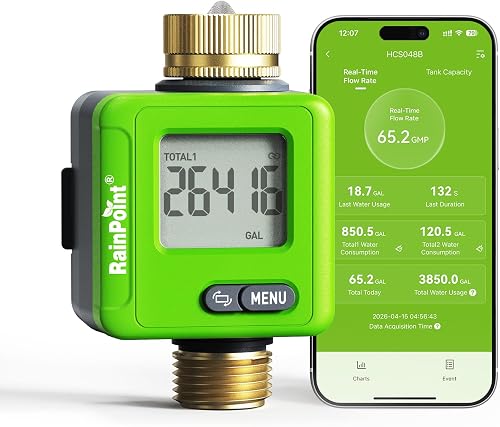
- BCGarden Score8.4
BCGarden scores from 0 to 10 are automatically scored by our AI consumer report tool based upon the data collected. This score has no relationship or impact from any manufacturer or sales agent websites. Learn more
- BrandN/A

- BCGarden Score9.0
BCGarden scores from 0 to 10 are automatically scored by our AI consumer report tool based upon the data collected. This score has no relationship or impact from any manufacturer or sales agent websites. Learn more
- BrandN/A

- BCGarden Score9.2
BCGarden scores from 0 to 10 are automatically scored by our AI consumer report tool based upon the data collected. This score has no relationship or impact from any manufacturer or sales agent websites. Learn more
- BrandN/A
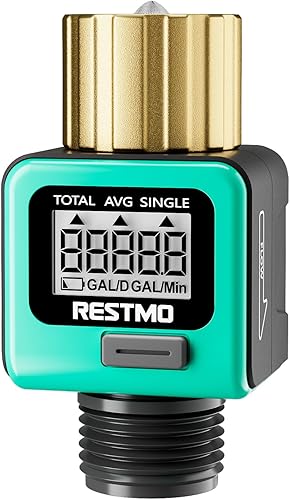
- BCGarden Score9.0
BCGarden scores from 0 to 10 are automatically scored by our AI consumer report tool based upon the data collected. This score has no relationship or impact from any manufacturer or sales agent websites. Learn more
- BrandN/A

- BCGarden Score8.6
BCGarden scores from 0 to 10 are automatically scored by our AI consumer report tool based upon the data collected. This score has no relationship or impact from any manufacturer or sales agent websites. Learn more
- BrandN/A

- BCGarden Score8.8
BCGarden scores from 0 to 10 are automatically scored by our AI consumer report tool based upon the data collected. This score has no relationship or impact from any manufacturer or sales agent websites. Learn more
- BrandN/A
Last update on 2026-11-24 / Affiliate links / Images, Product Titles, and Product Highlights from Amazon Product Advertising API
These three stand out in the product table above for different budgets and needs.
Best overall: the Gardena 8188-29 Digital Electronic Water Smart Flow Meter, around $118, is our first choice from the table.
Best value: the Water Flow Meter for RV, around $26, is the lowest priced of these three.
Also great: the IP68 Metal Water Flow Meter for garden hose, around $45, is another strong option with a different set of features.
Most flow meters built for garden hoses use one of two mechanisms: a spinning turbine or paddlewheel that rotates as water passes through, or a nutating disc that oscillates with each measured pulse of water. The rotation or pulse count feeds a simple mechanical or digital readout that translates motion into gallons, liters, or cubic feet. Turbine style meters tend to be the cheapest and are common in basic analog dial models, while nutating disc designs, the same tech used in residential water meters, show up in higher end digital units because they hold accuracy better at both very low and very high flow rates.
None of this matters much if the internal parts are cheap plastic that warps in the sun or seizes up once mineral deposits build inside. That's why the housing material and internal mechanism quality end up mattering more than whether the display is analog or digital.
Accuracy Rating and Flow Range
Look for a stated accuracy tolerance, usually expressed as a percentage such as plus or minus 2 to 5 percent, along with a minimum and maximum flow rate the meter can read reliably. A meter rated only for high flow will read inaccurately or not at all on a slow running soaker hose or drip line, which is exactly the scenario most home gardeners care about tracking.
Brass vs Plastic Construction
Brass bodied meters resist UV degradation, handle hose bib water pressure without cracking, and generally outlast plastic housings by several seasons. Plastic models are lighter and cheaper but are the first thing to fail after a winter left connected outdoors. If the meter will live on an outdoor spigot year round, brass is worth the extra cost.
Connection Threads and Compatibility
Nearly all garden flow meters use standard 3/4 inch GHT (garden hose thread) fittings on both ends, but double check whether the unit is male to female or female to female, since that determines whether it threads directly onto a spigot or needs to sit mid hose. A meter with a swivel connection on at least one end makes attaching and detaching hoses far less of a wrestling match.
Digital Display vs Analog Dial
Digital readouts often log cumulative totals, reset with a button, and sometimes include a battery free piezoelectric sensor that never needs a coin cell. Analog dials never run out of battery and keep working in direct sun without a faded screen, but they're harder to read precisely and usually only show a running total rather than a rate.
The most common use is calibrating drip irrigation and soaker hose systems: instead of guessing whether a zone got an inch of water, you can watch the gallon count and correlate it to your garden bed's square footage. A flow meter is also the fastest way to fill a rain barrel or stock tank to a known volume without standing there with a bucket and a stopwatch. Some gardeners use one purely to catch leaks, since a spigot that keeps registering flow after the valve is closed usually means a worn washer or a hidden drip somewhere in the line.
If you're on a water meter with tiered pricing, tracking outdoor water use separately from indoor use also helps pinpoint exactly how much of the summer bill spike comes from the yard.
- Install directly on the spigot for whole hose totals, or further down the line right before a splitter to measure one zone at a time.
- Use plumber's tape on the threads even though most meters ship with a built in washer, since a slow drip at the connection throws off readings over time.
- Keep the meter accessible for reading rather than buried behind plantings, especially with analog dials that need to be viewed up close.
- Drain or disconnect the meter before freezing weather if it has any internal moving parts that can crack when water expands.
The single biggest accuracy killer is mineral buildup from hard water, which coats the internal turbine or disc and slows its response over a season or two. A quick soak in diluted vinegar once or twice a year keeps most meters reading true. Another common mistake is installing the meter downstream of a Y splitter without accounting for the fact it only measures the branch it's attached to, not total household outdoor use. Finally, forgetting to zero out or record the previous reading before a new watering session makes it easy to lose track of whether a number represents today's use or a running total since installation.
How accurate are garden hose flow meters?
Consumer grade meters typically land within 2 to 5 percent accuracy when new and properly maintained, which is more than precise enough for irrigation calibration or spotting a leak, even if it isn't utility grade metering accuracy.
Can I use a flow meter with a drip irrigation system?
Yes, and it's one of the most useful applications, since drip systems run at low pressure and low volume where visual guessing is least reliable. Just confirm the meter's minimum flow rating covers your drip system's typically slower output.
Do flow meters reduce water pressure?
A well made meter causes only a negligible pressure drop, usually a few PSI at most. Cheaper turbine styles with narrow internal passages can restrict flow more noticeably, especially at higher volumes.
Are digital or analog meters better for outdoor use?
Analog dials have no battery to fail and hold up well in full sun, while digital models offer easier to read cumulative totals and sometimes rate of flow data. Either works fine outdoors as long as the housing is rated for continuous exposure.
Do these meters work with well water?
They do, though well water often carries more sediment and minerals than municipal supply, so plan on more frequent cleaning of the internal mechanism to keep readings accurate.
How do I install a garden hose flow meter?
Thread it directly onto an outdoor spigot or between two hose sections, hand tighten with a washer in place, and check for drips at the connection before relying on the readout.
A garden hose flow meter is a small purchase that turns watering from guesswork into something you can actually measure and adjust. Prioritize brass construction and a flow range that covers your slowest drip line alongside your highest pressure sprinkler run, and you'll get years of reliable use out of a tool that quietly pays for itself in a lower water bill.


Best 150 ft Garden Hose Buying Guide for 2026

Best Garden Hose Splitter

Best 4 Zone Water Timer in 2026: Water Four Areas From One Faucet

Best 3/4 Inch Garden Hoses (2026): A Buying Guide for Gardeners

Best Expandable Hoses with Brass Fittings for Every Need: How to Pick the Right One for 2026

Best Galvanized Watering Can in 2026: A Buying Guide

Best Bluetooth Water Timer in 2026: A Buying Guide

Best 75 ft Garden Hoses for 2026: Reaching the Far End of the Yard








