
Best Fire Pit for Deck: How to Choose Safely in 2026
A deck is where the garden meets the house, and it is tempting to put the fire right where everyone already gathers. It is also the riskiest place in the yard for an open flame, because deck boards, railings, and planters sit within reach of the heat. Choosing the best fire pit for deck use starts with heat management, not looks: the right fuel, the right shielding, and enough clearance to keep boards, siding, and guests safe.
This guide covers the fuel decision that matters most on a deck, how to protect wood and composite surfaces, and how to size a pit to the space you have. For ground level options in open lawn, our guide to the best fire pit range covers the full field, and the comparison table below sorts deck suitable models by fuel type and footprint.
Compare Products

- BCGarden Score9.2
BCGarden scores from 0 to 10 are automatically scored by our AI consumer report tool based upon the data collected. This score has no relationship or impact from any manufacturer or sales agent websites. Learn more
- BrandAoxun

- BCGarden Score8.8
BCGarden scores from 0 to 10 are automatically scored by our AI consumer report tool based upon the data collected. This score has no relationship or impact from any manufacturer or sales agent websites. Learn more
- BrandTLGREEN

Vongrasig 43" Propane Fire Pit for Outside, 50,000 BTU Outdoor
- BCGarden Score9.2
BCGarden scores from 0 to 10 are automatically scored by our AI consumer report tool based upon the data collected. This score has no relationship or impact from any manufacturer or sales agent websites. Learn more
- BrandVongrasig

- BCGarden Score8.6
BCGarden scores from 0 to 10 are automatically scored by our AI consumer report tool based upon the data collected. This score has no relationship or impact from any manufacturer or sales agent websites. Learn more
- BrandSundale Outdoor

- BCGarden Score8.8
BCGarden scores from 0 to 10 are automatically scored by our AI consumer report tool based upon the data collected. This score has no relationship or impact from any manufacturer or sales agent websites. Learn more
- BrandLAUSAINT HOME

- BCGarden Score8.0
BCGarden scores from 0 to 10 are automatically scored by our AI consumer report tool based upon the data collected. This score has no relationship or impact from any manufacturer or sales agent websites. Learn more
- BrandN/A

- BCGarden Score8.6
BCGarden scores from 0 to 10 are automatically scored by our AI consumer report tool based upon the data collected. This score has no relationship or impact from any manufacturer or sales agent websites. Learn more
- BrandMeilocar

- BCGarden Score8.2
BCGarden scores from 0 to 10 are automatically scored by our AI consumer report tool based upon the data collected. This score has no relationship or impact from any manufacturer or sales agent websites. Learn more
- BrandOutVue
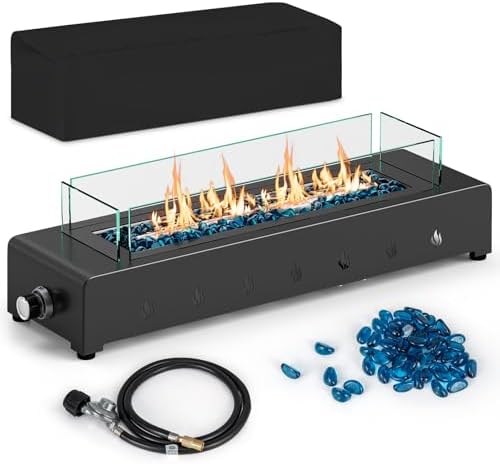
Happygrill 30 Inch 40,000 BTU Tabletop Propane Fire Pit with
- BCGarden Score9.4
BCGarden scores from 0 to 10 are automatically scored by our AI consumer report tool based upon the data collected. This score has no relationship or impact from any manufacturer or sales agent websites. Learn more
- BrandHAPPYGRILL

- BCGarden Score9.2
BCGarden scores from 0 to 10 are automatically scored by our AI consumer report tool based upon the data collected. This score has no relationship or impact from any manufacturer or sales agent websites. Learn more
- BrandCiays

- BCGarden Score9.2
BCGarden scores from 0 to 10 are automatically scored by our AI consumer report tool based upon the data collected. This score has no relationship or impact from any manufacturer or sales agent websites. Learn more
- BrandCiays

- BCGarden Score9.2
BCGarden scores from 0 to 10 are automatically scored by our AI consumer report tool based upon the data collected. This score has no relationship or impact from any manufacturer or sales agent websites. Learn more
- BrandBALI OUTDOORS
Last update on 2026-11-27 / Affiliate links / Images, Product Titles, and Product Highlights from Amazon Product Advertising API
The deck modifier changes everything about this purchase. These are the situations where a deck rated setup works, and what each needs from it.
Wood Deck Owners Who Want a Controllable Flame
On a wood deck, the flame you can shut off in one second is the flame you can trust. Propane fire tables and bowls dominate this group because they produce no sparks, no embers, and no ash, and the heat output adjusts with a knob instead of a fresh log. If your evenings end when the conversation ends, instant shutoff also means no waiting up for coals to die. This group should treat wood burning on deck boards as off the table entirely.
Composite Deck Owners Worried About Heat Damage
Composite and PVC decking soften and scorch at far lower temperatures than wood, and a heat stain or warped board near the fire pit is permanent. Owners of newer composite decks need the coolest running options: elevated propane designs on tall legs or tables, generous distance between the burner and the deck surface, and a protective pad rated for the heat underneath. Check your decking maker heat guidance before buying, because radiant heat from below damages boards the flame never touches.
Small Deck and Balcony Gardeners
Container gardeners on small decks and balconies face a triple filter: limited floor space, building or HOA rules, and neighbors close on every side. Tabletop propane units and compact fire tables fit this life, giving flame and warmth without a footprint war against the tomato pots. Many buildings ban wood burning and charcoal on balconies outright while allowing small propane appliances, so confirm your rules before ordering. Where open flame of any kind is banned, the honest answer is an electric patio heater instead.
On a deck, features are safety equipment first and comfort second. Compare these in order.
Fuel Choice: Propane First, Wood With Great Care
Propane is the deck fuel for three reasons: no sparks, instant shutoff, and steady heat that does not spike when a log shifts. Designs in the propane fire pit class hide the tank in the table base and light with a push button. Wood burning belongs on a patio at grade or in the open yard, as wood burning fire pit options show, because sparks and falling embers are a matter of when, not if. Smokeless wood pits reduce smoke, not sparks, so they do not change the deck math.
Heat Shielding and the Surface Underneath
Look at what the fire sits on and what sits under the fire. Raised designs on legs or a table base put air between burner and boards, which is your first layer of protection. Add the second layer yourself: a deck protector pad or a stand rated for fire pit use, sized wider than the pit footprint so stray heat and the odd spark land on the pad, not the deck. Some models include a heat shield plate under the bowl; treat it as a bonus, never as the whole plan. Composite decks need the pad regardless of what the box promises.
Size, Weight, and Deck Load
Decks are engineered for distributed loads, and a fire table is a point load wearing a disguise. A filled propane table with lava rock can weigh well over 100 pounds on four small feet, so place it near a support post or over a joist line rather than mid span, and use a pad that spreads the footprint. Size the flame area to the deck: on a small deck a wide bowl eats the whole seating plan, while a fire table earns its floor space by holding drinks between flames.
Materials and Weather Resistance
Deck fire features live outdoors year round in most homes, often a few steps from planters that get watered daily. Powder coated steel and cast aluminum frames shrug off that life best; glass fiber reinforced concrete tables look superb and resist rust entirely, at real weight. Burner components should be stainless steel, because a rusted burner ring lights unevenly and clogs. Whatever you choose, budget for a fitted cover: standing water in a burner pan is the fastest way to ruin a deck fire pit you otherwise chose well.
Flame Control, Ignition, and Shutoff
A good deck unit lights with a push button or rotary igniter, adjusts across a useful range, and kills the flame instantly at the knob. That control is your primary safety system: wind picks up, a cushion slides too close, a child wanders in, and the fire is simply off. Confirm the unit carries a recognized safety certification listing, and route the propane hose where nobody walks. A thermocouple that shuts off gas when the flame blows out is worth seeking on any model.
Position comes first. Place the pit on the protector pad, at least 10 feet from the house wall, railings, and any overhang, and never under a roof or low canopy unless your local code explicitly allows the clearance you have. Keep it out of the main walking path between door and stairs, because people carrying drinks in the dark step where they always step. Local fire codes and HOA rules override anything a product page says, so check both before the first lighting.
Run through a short ritual every time. Confirm the pad is in place and flat, cushions and throws are a safe distance back, and a fire extinguisher or a bucket of sand sits within reach. Never leave a deck fire unattended, and let propane be the end of the story: flame off, tank valve closed, unit cool before the cover goes on. If your deck fails any of these checks, move the fire to the yard instead; our guide to the best fire pit for backyard setups covers ground level placement on lawn and patio.
Deck suitable fire features cost more than basic yard bowls because shielding, tables, and certification add up.
- Under $150: Tabletop propane units and small fire bowls meant to sit on a patio table. Fine for tiny decks and balconies where rules allow them.
- About $150 to $400: Full size propane fire tables with hidden tanks, push button ignition, and room to set down a glass. The mainstream deck choice.
- About $400 to $800: Larger tables in premium materials, higher heat output for big decks, and better wind guards and covers in the box.
- Above $800: Designer concrete and metal pieces with big footprints, bought as permanent deck furniture as much as fire features.
- Setting a wood burning bowl directly on deck boards, where one popped ember can smolder in a board gap unnoticed for hours.
- Trusting a smokeless label to mean spark free, when smokeless designs only burn smoke off and still throw sparks.
- Placing the pit under eaves or a pergola for coziness, trapping heat against siding and beams above the flame.
- Skipping the protector pad on a composite deck, then finding a warped, discolored patch of boards in the spring.
- Ignoring HOA and local code rules until a neighbor complaint or a fine arrives after the first party.
- Leaving the fire to burn down on its own while everyone goes inside, the single most common thread in deck fire accidents.
Water is the enemy, not fire. Keep the burner pan and fire table covered whenever it is not in use, and clear leaves and planter debris out of the bowl before they hold moisture against the metal. Once a season, check the propane hose for cracks and test connections with soapy water, watching for bubbles that betray a leak. Clear the burner ports with a soft brush or a pin so the flame ring lights evenly, and wipe soot off glass wind guards before it bakes on.
For the deck itself, lift the pit and pad a few times a season and let the boards underneath dry fully, because a permanently damp shadow under a pad grows mildew and can rot wood decking from the top face down. Store cushions and the tank properly in winter: the tank outdoors, upright, and disconnected per its own safety guidance, never in a closed garage or basement. A cover, a dry underside, and a spring leak check will double the life of both pit and deck.
Can you put a fire pit on a composite deck?
Only a propane model, only on a heat rated protector pad, and only with clearance from railings and walls. Composite boards soften under sustained heat that wood would tolerate, so elevation matters: choose designs that hold the burner well above the surface. Check your decking manufacturer temperature guidance before the first use, and never place any wood burning pit on composite decking, pad or no pad.
Is a propane fire pit safe on a wood deck?
It is the safest fire option a wood deck has, because there are no sparks or embers and the flame shuts off instantly. Safe still assumes the full setup: protector pad under the unit, 10 feet or more from the house and railings where your layout allows, no overhang above, and an adult present whenever it burns. Treat it like a gas appliance, not a candle, and it serves for years without incident.
How far should a deck fire pit sit from railings and walls?
Plan on at least 10 feet from the house wall and any structure, and keep seating, cushions, and planters well back from the flame edge. On smaller decks that distance may be impossible, which is the deck telling you the fire belongs in the yard. Local fire code distances rule over any general guidance, so verify yours. Heat damage to siding and melted railing caps happen quietly at distances people assume are fine.
Does a deck fire pit need a heat shield or mat underneath?
Yes. The pad protects against radiant heat from below, drips, rust marks, and the rare stray spark, and on composite decks it is the difference between a fire feature and a permanent scar. Size the pad wider than the pit on all sides, use one rated for fire pit temperatures rather than a grill mat of unknown rating, and let the deck dry beneath it regularly. The pad is cheap. The deck was not.
Can you use a fire pit on a covered deck or balcony?
Usually no for covered decks, because the roof traps heat and smoke and most codes and manufacturers require open air above the flame. Balconies add building rules on top: many complexes ban open flame entirely, and some allow only small electric units. Read your lease or HOA documents, and when in doubt ask the fire marshal office rather than the product listing. An electric heater is the honest fallback where flame is banned.
A deck fire done right is the best seat in the garden: flowers at the railing, dinner steps away, and a flame you control completely. Respect the surface, choose propane, shield the boards, and the best fire pit for deck evenings will run all season without a scorch mark to show for them. Check the finalists in the product table above against your deck material and your local rules, and when the measurements argue against fire on the deck, believe them and enjoy the yard setup instead.

Best 10x12 Gazebo: How to Choose the Right Style for 2026

Best Backyard Gazebos: What to Check Before You Buy

Best Deck Solar Lights for 2026: Steps, Rails and Posts

Best Gazebo With Netting for 2026: How to Judge Mesh, Fit and Zippers

Best Dimmable Outdoor String Lights: A Buying Guide for 2026
Best Fire Pit for Covered Patio in 2026: How to Add Fire Under a Roof Safely

Best Gazebo for Patio in 2026: Shade That Fits Your Slab and Furniture
Best Edison Outdoor String Lights for 2026: Bulb Shapes and Glow








