
Best 20 Inch Chainsaw Buying Guide for Gardeners (2026)
A 20 inch bar changes the conversation from yard tidying to land work. This is the size that fells mature trees, bucks firewood logs too big for a splitter to accept whole, and clears storm damage that would take a smaller saw all weekend. Picking the best 20 inch chainsaw means judging engine strength, chain format, and honest weight, because at this size the saw works you as much as you work the saw.
Below you will find who genuinely needs this much bar, the specifications that separate farm grade saws from professional ones, and the handling habits that keep big cutting safe. The broader best chainsaw overview shows where this size sits in the range, and the comparison table below lines up the main contenders by engine class and weight.
Compare Products

- BCGarden Score8.8
BCGarden scores from 0 to 10 are automatically scored by our AI consumer report tool based upon the data collected. This score has no relationship or impact from any manufacturer or sales agent websites. Learn more
- BrandHusqvarna

- BCGarden Score9.2
BCGarden scores from 0 to 10 are automatically scored by our AI consumer report tool based upon the data collected. This score has no relationship or impact from any manufacturer or sales agent websites. Learn more
- BrandHusqvarna

- BCGarden Score9.2
BCGarden scores from 0 to 10 are automatically scored by our AI consumer report tool based upon the data collected. This score has no relationship or impact from any manufacturer or sales agent websites. Learn more
- BrandEGO Power+

- BCGarden Score8.2
BCGarden scores from 0 to 10 are automatically scored by our AI consumer report tool based upon the data collected. This score has no relationship or impact from any manufacturer or sales agent websites. Learn more
- BrandGreenworks

- BCGarden Score8.2
BCGarden scores from 0 to 10 are automatically scored by our AI consumer report tool based upon the data collected. This score has no relationship or impact from any manufacturer or sales agent websites. Learn more
- BrandDEWALT
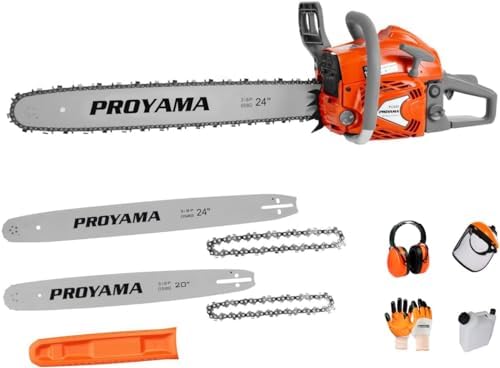
PROYAMA 68CC Gas Powered Chainsaw, 20" 24" Bar, Magnesium Alloy
- BCGarden Score8.0
BCGarden scores from 0 to 10 are automatically scored by our AI consumer report tool based upon the data collected. This score has no relationship or impact from any manufacturer or sales agent websites. Learn more
- BrandPROYAMA

- BCGarden Score8.2
BCGarden scores from 0 to 10 are automatically scored by our AI consumer report tool based upon the data collected. This score has no relationship or impact from any manufacturer or sales agent websites. Learn more
- BrandSUPMIXTOOLS

- BCGarden Score8.0
BCGarden scores from 0 to 10 are automatically scored by our AI consumer report tool based upon the data collected. This score has no relationship or impact from any manufacturer or sales agent websites. Learn more
- BrandN/A

- BCGarden Score8.0
BCGarden scores from 0 to 10 are automatically scored by our AI consumer report tool based upon the data collected. This score has no relationship or impact from any manufacturer or sales agent websites. Learn more
- BrandVEVOR
Last update on 2026-11-27 / Affiliate links / Images, Product Titles, and Product Highlights from Amazon Product Advertising API
Twenty inches is a commitment in weight, cost, and skill. It pays off for a specific kind of property and workload.
Rural Property Owners Who Fell Their Own Trees
If your land includes mature oaks, maples, or pines that occasionally need to come down, a 20 inch bar handles trunks up to about 18 inches in one pass and larger stems with a notch and back cut worked from both sides. That capacity turns a hired job into a morning of your own work. Owners who only trim ornamentals will never touch this capacity, which is exactly why this size should be bought for a felling list, not for someday.
Firewood Producers Heating With Wood All Winter
Heating with wood means bucking several cords a year, and the logs that arrive from tree services often run 16 to 30 inches across. A 20 inch saw with a strong engine cuts those rounds at a pace a smaller saw cannot match, and the time saved per cord is measured in hours. If firewood is your winter heat rather than a fireplace hobby, this is the working size, and the fatigue math below matters as much as the power.
Landowners Clearing Storm Damage and Dead Stands
After a major storm, the cutting is heavy, awkward, and plentiful: root plates, hung up trunks, and leaning dead trees. A 20 inch saw gives the reach to cut from safer positions and the power to work through tensioned wood methodically. Landowners cleaning up acres rather than a backyard will also appreciate the larger fuel and oil capacity at this size, which stretches the time between refills when the work sits far from the barn.
At 20 inches, gas dominates and the differences between models show up in the engine, the chain format, and how the saw treats your body.
Engine Displacement and Power Class
Most 20 inch saws run gas engines around 50 to 65 cc. The lower end, near 50 cc, suits farm and ranch use: regular felling and bucking with sensible breaks. Professional saws toward 60 cc and above add power to weight construction, better air filtration, and engines that hold chain speed buried in oak. A handful of high voltage battery saws now carry a 20 inch bar, and the strongest entries in the best battery chainsaw class manage limbing and bucking well, though runtime under full load still trails a tank of fuel.
Chain Pitch and Gauge at This Size
Full size 3/8 pitch chain in .050 or .058 gauge is the standard here, replacing the low profile chain of smaller saws. It removes wood faster and stands up to the power these engines deliver, and replacement loops are stocked everywhere. The price of that speed is more aggressive cutting and stronger kickback potential, so this chain format assumes an experienced hand. Confirm the exact pitch and gauge stamped on your bar before ordering spares, because .050 and .058 loops look identical on the shelf and only one fits your bar groove.
Weight, Fatigue, and Vibration Control
Expect roughly 13 to 17 pounds fueled and ready, a load you feel in your shoulders by midday. Published dry weights flatter every saw, so judge by ready to cut weight with a full bar oil tank. Spring mounted anti vibration systems make a genuine difference across a cord of bucking, reducing the tingling hands and evening fatigue that older designs handed out freely. A saw that feels slightly heavier but vibrates less often leaves you fresher, and fresher operators make safer decisions at the end of the day.
Starting Aids and Controls
Big engines fight back at the starter rope. A decompression valve bleeds cylinder pressure so the rope pulls smoothly, and spring assisted starting reduces the yank further. Look for a combined choke and stop switch you can work with gloves, a side mounted chain tensioner you can reach without tools near the muffler, and a scrench holder so the tool rides with the saw. These small details decide whether a saw feels cooperative at 20 degrees with numb fingers, which is when firewood cutting usually happens.
Fuel Capacity and Run Time Per Tank
Larger tanks, commonly around 20 ounces of fuel with matching oil capacity sized to run dry together, mean fewer walks back to the truck. Manufacturers size the bar oil tank so both fluids finish near the same moment, a quiet piece of engineering you only notice when it is absent. For land work far from the shed, carry a combined fuel and oil can and a spare sharpened chain. Swapping a dull loop for a sharp one takes two minutes and beats filing in the cold.
For felling, the guide bar should reach comfortably past the middle of the trunk from each side, which puts confident single session felling at trunks up to about 36 inches when cuts are worked from both sides. The comfortable heartland of this size is 14 to 24 inch wood, where the bar stays buried without the nose hunting for daylight and the engine stays in its power band. Undersized wood wastes the saw weight, and oversized wood punishes both saw and operator.
Be honest about the smaller end of your work, too. If half your cutting is pruning and limbing under 6 inches, pair this saw with a compact option from the best mini chainsaw range for the light work instead of muscling the big saw through branches. And if your cutting is ordinary suburban upkeep with no felling at all, the guidance in our best chainsaw for homeowners roundup will likely point you to a lighter, cheaper tool that you will reach for more often.
Twenty inch saws start where smaller homeowner saws end, and the tiers split mainly on build grade.
- About $250 to $400: Farm and ranch grade saws with strong engines, standard chain, and plastic cases. Built for regular seasonal work on private land.
- About $400 to $600: Higher power to weight, magnesium crankcases, better filtration, and smoother anti vibration. The working center for serious firewood producers.
- About $600 to $800: Professional saws with the strongest engines in this bar size, heated handles on some, and parts support measured in decades.
- Above $800: Top professional tier and the strongest battery kits with multiple large packs, bought for daily commercial schedules.
- Felling beyond your experience because the saw can physically reach, when lean, rot, and hung up limbs are what make felling dangerous.
- Running low profile chain habits on full size chain, including casual one handed control, which this format punishes quickly.
- Pinching the bar by cutting from the wrong side of a tensioned log, then trying to power out instead of wedging the cut open.
- Skipping the wedge kit, spare chain, and second scrench, so one pinched bar ends a whole day of land work.
- Wearing hearing protection only sometimes, when these engines are loud enough that every session counts toward hearing damage.
- Storing the saw with fuel in the tank across summer, which varnishes the carburetor before firewood season returns.
Mix fuel precisely at the ratio the manual states, with fresh gasoline and quality two stroke oil, and never stretch a mix older than a month or so. Big engines are tuned lean for power and emissions, and stale or wrongly mixed fuel is the fastest route to a scored piston. Clean or replace the air filter often in dusty bucking work, and check the spark arrestor screen, which clogs quietly and strangles power. Keep two sharp chains in rotation so a dulled loop never tempts you to keep pushing.
Bar care matters more at this length. A 20 inch bar flexes more than a short one, so check rail straightness after any pinched cut, dress burrs with a flat file, and flip the bar regularly to even the wear. Grease the nose sprocket if your bar provides a port. During long storage, empty the fuel, run the saw dry, remove and clean the chain, and coat the bar lightly with oil before the case closes. A saw stored right starts the season like it ended the last one.
What diameter tree can a 20 inch chainsaw fell?
Confidently, trees up to about 36 inches in diameter, working the notch and back cut from both sides. The comfortable range is 14 to 24 inches, where the bar clears the trunk with room for wedges and hinge control. Diameter alone does not make a felling job safe, though: lean, rot, dead tops, and nearby targets matter more than size, and doubtful trees belong to a professional arborist.
Is a 20 inch chainsaw too big for pruning?
For routine pruning, yes. The weight and aggressive full size chain make small cuts clumsy, and a long bar near your body raises risk on ground work. Reserve this saw for felling, bucking, and large removals, and do fine pruning with hand tools or a compact saw. Using the smallest saw that fits the cut is a core safety habit, not a compromise.
What fuel mix does a 20 inch gas chainsaw need?
Most modern saws in this class run a 50 to 1 mix of gasoline and two stroke oil, but the manual for your exact engine is the authority, because older and professional models vary. Use mid grade gasoline, mix in a dedicated can, and label it with the ratio and date. Ethanol free fuel, where available, treats carburetors and fuel lines kindly during storage gaps.
How often should a 20 inch chainsaw chain be sharpened during firewood cutting?
Expect to touch up the chain every tank or two in clean wood, and immediately after any contact with dirt, stone, or metal. A practical field sign: when the saw starts making dust instead of chips, or you find yourself pushing down to keep it cutting, the chain is already overdue. Swapping to your spare sharp loop and filing the dull one later at the bench keeps the day moving.
How much does a 20 inch chainsaw weigh in use?
Plan on roughly 13 to 17 pounds with fuel, oil, bar, and chain fitted. Battery models land in the same band once a large pack is mounted. That weight is manageable in bucking, where the log supports the bar, and far more noticeable in limbing, where you hold the saw at odd angles. Build in breaks; fatigue arrives before you notice it, and tired cuts are sloppy cuts.
Bought for the right land and the right workload, this size of saw turns multi day clearing and bucking jobs into single sessions. Judge engines by class, chain by format, and weight by how you feel at hour three, and the best 20 inch chainsaw for your property will stand out. Weigh the finalists in the product table above against your biggest regular logs, keep a spare sharp chain in the truck, and let doubtful trees wait for a professional.

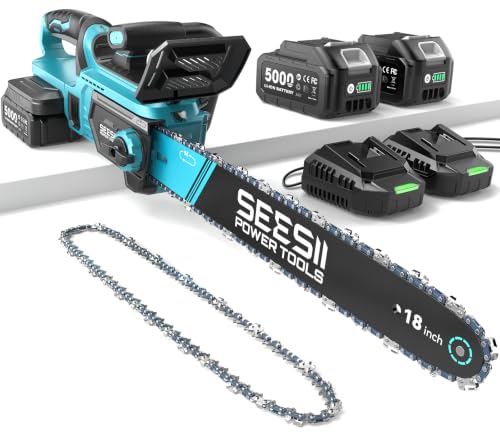
Are Electric Chainsaws Any Good? Here's an Honest Answer
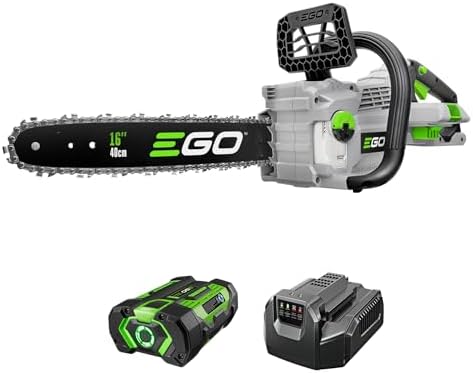
Best Chainsaws Under $300: A Buying Guide for 2026

Best Battery Snow Blowers (2026): How to Match Runtime to Your Driveway

Best Cordless Tiller in 2026: Battery Power for Beds and Small Gardens
Best Champion Log Splitters of 2026: Choosing by Tonnage Class
Best Echo Hedge Trimmer for 2026: Choosing Between Gas and Battery Power

Best Electric Battery Push Lawn Mowers for Every Need: How to Pick the Right One for 2026

Best Gas Push Mowers for Small Yards: What Actually Matters Before You Buy for 2026








