
Best Ariens Snow Blowers: Which Model Suits Your Yard? (2026)
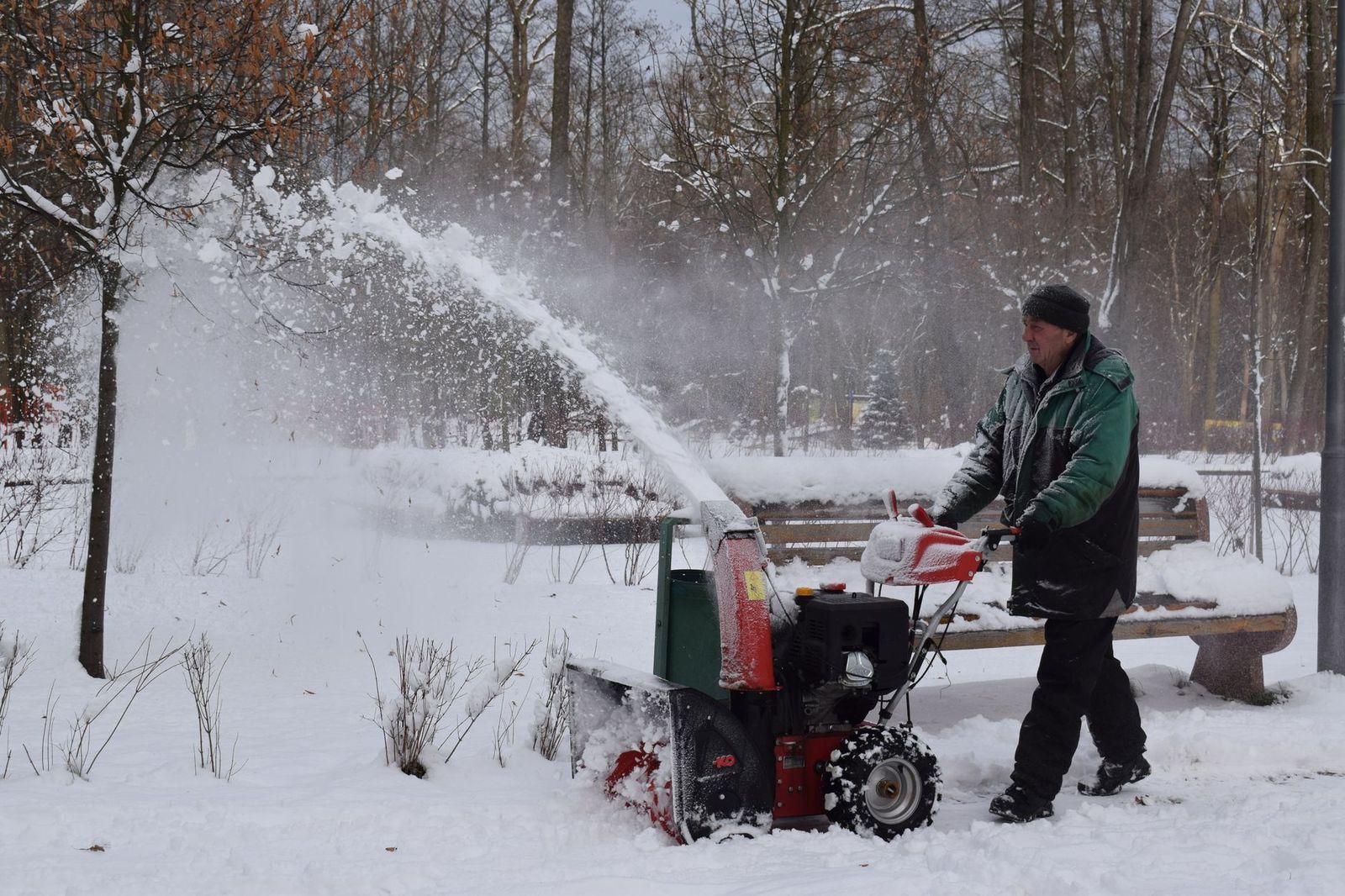
Some brands dabble in snow. Ariens has built its name on winter for generations, and its orange machines are the ones you see still clearing driveways twenty winters after purchase. Finding the best Ariens snow blower is less about hunting for a single winner and more about understanding how the lineup is organized, because the range runs from compact two stage machines for suburban drives to track driven units built for steep rural lanes.
This guide explains the classes within the Ariens range, the features that separate them, and how to size one to your driveway and snowfall. If you want the wider market view first, our guide to the best snow blower options covers every major type, and the sections below show how Ariens models stack up on width, drive, and build.
Compare Products
Last update on 2026-11-24 / Affiliate links / Images, Product Titles, and Product Highlights from Amazon Product Advertising API
Ariens sells almost entirely gas powered two stage machines, so the brand suits buyers who want long service life and strong throwing power. These groups fit best.
Snow Belt Homeowners Who Buy Once and Keep It
If you measure winter in feet of snow rather than inches, you need a machine built for decades of storms, with parts you can still order years later. Ariens built its reputation on exactly that buyer. Steel construction throughout the housing and chute, a deep dealer network, and engines sized generously for the width all point the same way. Gardeners in the north also appreciate a machine that starts reliably in bitter cold, because paths to the barn, coop, and woodpile still need clearing in January.
Owners of Gravel Driveways and Farm Lanes
Two stage design is the safe choice on gravel, because the auger does not touch the ground and the skid shoes set the clearing height. Ariens two stage machines adjust easily to ride above loose stone, and the driven wheels keep pace steady when the surface underneath is uneven. If your lane also serves raised beds, a greenhouse, or livestock pens, the throwing distance on the larger classes lets you place snow well clear of fences and plantings.
Owners of Steep or Hard to Reach Ground
Standard wheels spin on icy slopes. The track driven class in the Ariens range grips grades, climbs the plow ridge at the road without a run up, and can tilt to dig into packed drifts or skim a gravel surface. These machines cost more and move slower, but for a driveway that climbs sharply from the street they replace a season of frustration with a single pass at walking pace.
The range is organized in classes that step up in width, engine size, and comfort features. The entry classes pair a 24 inch housing with a modest engine, aimed at typical suburban driveways and moderate snowfall. They already include the two stage design, electric start, and steel chute that define the brand, so stepping in at the bottom does not mean stepping down to a toy.
The middle classes are where most yards land. Widths grow to 28 and 30 inches, engines gain the reserve power that wet spring snow demands, and steering assistance appears, either as trigger controlled power steering or the brand automatic steering that senses when you want to turn. Heated grips, bigger tires, and taller intakes show up here. The professional classes push width toward 32 and 36 inches with the strongest engines, reinforced frames, and features meant for clearing many properties or very long lanes. Track drive sits across the upper range as its own branch for slope country.
Within one brand, the differences that matter are narrower and more specific than across the whole market. Compare these.
Class and Clearing Width
Width is the first filter. A 24 inch class machine clears a two car driveway in about five passes and still fits through a side gate to reach back paths. The 28 inch classes cut that to four passes and add engine reserve, which matters more than the width itself in heavy snow. Beyond 30 inches you are buying for wide parking areas, long lanes, or shared clearing duty. Remember that intake height rises with class, too, so deeper drifts get handled in one pass rather than two. Match the class to your snowfall total first and your driveway width second.
Engine Size and Throwing Power
Ariens matches engines to housing width, but the step between classes is real: bigger engines hold their speed when the auger hits the wet ridge a plow leaves at the curb, while smaller ones slow and clog. Throwing distance follows engine power and impeller size. If your driveway borders garden beds, distance is a placement tool, because you want snow landing on open lawn rather than crushing dormant shrubs. Gardeners should also note that a strong throw lets you clear in fewer passes along bed edges, which reduces the time the machine spends near plantings.
Steel Build and Chute Design
The brand signature is steel where rivals often use plastic: steel chute, steel housing, and a cast iron gear case on the upper classes. Steel shrugs off the gravel chips and ice chunks that crack polymer chutes, and it does not flex in deep snow. The trade off is weight and the need to touch up paint chips before rust starts. Chute rotation on Ariens models is quick, with controls at the operator position on most classes, so you can redirect the stream between passes without walking around the machine.
Steering Systems
Three approaches appear across the range. Basic models steer by muscle, which is manageable at 24 inches and tiresome at 30. Trigger steering releases drive to one track or wheel so the machine pivots under power. Automatic steering, the brand well known system, senses resistance differences and turns the machine when you guide it, with no levers to hold. Try to match steering to machine size: the heavier the class, the more steering help pays back in your shoulders by the end of a long driveway.
Track Drive Options
Track models in the lineup add a drive system that can run in wheel mode for easy transport, track mode for grip, and a digging mode that locks the housing down into packed snow. That flexibility is unique in feel: the machine climbs icy grades that stop wheeled units, yet still rolls freely across the garage floor. Tracks do demand more from the drive components and add meaningful cost, often several hundred dollars over the wheeled twin. Buy them for slope and ice, not as a general upgrade.
Dealer Support, Parts, and Warranty
A brand roundup should weigh what happens in year eight. Ariens sells through independent dealers as well as big retailers, and dealers stock shear pins, belts, skid shoes, and cables for current and older machines. That network matters in garden country, where the nearest small engine shop may be the dealer. Consumer warranties on the range are competitive for the class, with longer coverage on the gear case on upper models. Whatever class you choose, register the purchase and keep the model plate details somewhere safe.
Ariens sits in the middle to upper band of the home market. These general tiers reflect the classes above.
- About $1,000 to $1,400: Entry two stage classes at 24 inches, electric start, steel chute, and manual steering. The sweet spot for typical suburban driveways in moderate snow regions.
- About $1,400 to $2,000: The 28 and 30 inch mainstream with steering assistance, heated grips, taller intakes, and stronger engines for wet snow.
- About $2,000 to $3,000: Track drive models and the widest wheeled classes, built for slopes, long lanes, and deep snow climates.
- Above $3,000: Professional classes with the largest engines and reinforced builds, aimed at estates, shared lanes, and light commercial duty.
- Buying a professional width for a standard driveway, then fighting the machine weight and storage footprint for twenty years.
- Skipping the track classes on a steep icy drive because of price, which guarantees spinning wheels every storm.
- Comparing only width between classes and missing the engine step, which is what actually decides wet snow performance.
- Ignoring dealer distance, so a simple belt replacement in January turns into a two week wait for shipping.
- Letting paint chips on the steel housing go untouched, which invites rust on the very build quality you paid for.
These machines are known for long lives, and the habits that get them there are simple. Change the oil on schedule, run stabilized fuel or drain the system each spring, and grease the auger shaft fittings where the manual calls for it so the auger never seizes to the shaft. Keep spare shear pins and a spare drive belt on the shelf, because both are wear items that fail mid storm by design or by age. Wash salt residue off the housing after roadside clearing and touch up paint chips with enamel before they bloom into rust.
Store the machine under cover with the fuel valve closed, and roll it a few feet every month or two in summer so tires and tracks do not take a set. Check skid shoe wear each fall and flip or replace shoes before the scraper bar starts eating itself on pavement. Before the first storm, start the engine, run the auger and drive through every speed, and confirm the chute controls move freely. Ten minutes in October beats a dead machine in the first blizzard.
Is Ariens a good snow blower brand for home use?
Yes. Ariens focuses on two stage gas machines rather than spreading across every category, and that focus shows in steel construction, conservative engine sizing, and long parts support. Homeowners who clear real snowfall and plan to keep one machine for many seasons are the core audience. Shoppers with tiny driveways and light snow may find the brand more machine than they need.
Which Ariens snow blower size fits a two car driveway?
The 24 and 28 inch classes cover most two car driveways. Choose 24 inches if you also clear gates and garden paths, and 28 inches if your region delivers frequent deep or wet snow where the larger engine helps more than the extra width. Measure your storage space as well, because the bigger classes need a full garage bay corner.
How long does an Ariens snow blower last?
With basic care, owners commonly keep these machines in service for 15 to 25 years. The steel housing and gear case outlast the wear items around them, so belts, cables, skid shoes, and friction discs get replaced along the way. Long life depends less on the purchase and more on fuel discipline each spring and keeping the auger shaft greased.
Are Ariens snow blowers a good fit for gravel driveways?
Yes, because the two stage design that defines the range keeps the auger off the ground. Set the skid shoes to hold the scraper bar about an inch above the stones, and the machine will leave a thin packed layer instead of throwing gravel. Shoppers comparing designs can read our overview of the best two stage snow blower category to see why the design suits loose surfaces.
Should I choose an Ariens or an electric snow blower?
It depends on driveway size and snowfall. The best electric snow blower models and the larger cordless designs in the best battery snow blower class suit short drives and moderate snow with far less upkeep. An Ariens earns its price when storms are deep, driveways are long, and you want a machine that still runs decades from now. Be honest about your winters, because both answers are right for different yards.
Within this one brand, the decision narrows to width, steering, and whether your ground demands tracks. Pick the class that matches your snowfall and slope, and the best Ariens snow blower for your yard picks itself. Check your shortlist against your gate width and garage space, buy from a dealer you can reach in January, and your orange machine should still be clearing paths to the garden long after lesser blowers have been scrapped.


Best Black and Decker Leaf Blower Types for 2026

Best Cordless Pruning Shears in 2026: Cut Capacity and Battery Advice

How to Find the Best Chainsaw Under 500 for 2026

Best Dewalt Chainsaw for Firewood, Storm Cleanup and Pruning (2026)

Are Electric Leaf Blowers Quieter Than Gas?
Best Briggs and Stratton Snow Blowers: A Yard Guide for 2026

Best 22 Inch Lawn Mower in 2026: Is This Deck Size Right for Your Yard?

Best Electric Lawn Mowers for Large Gardens: A Buyer Checklist for 2026








