
Best 22 Inch Lawn Mower in 2026: Is This Deck Size Right for Your Yard?
One extra inch of deck sounds like a trivial difference, and on the store shelf a 22 inch mower looks almost identical to the 21 inch models beside it. On your lawn, that inch compounds across hundreds of passes over a season, which is exactly why the best 22 inch lawn mower earns its keep in medium yards: fewer laps, without the bulk and price of a wide area machine.
Deck width is only one part of the decision, though. Power source, drive type and wheel size change how the mower feels on slopes, in corners and in storage. This guide works through the traits in the comparison table below with a gardener eye on beds, borders and gates. For the full range of mower categories, our guide to the best lawn mower types is the place to start.
Compare Products

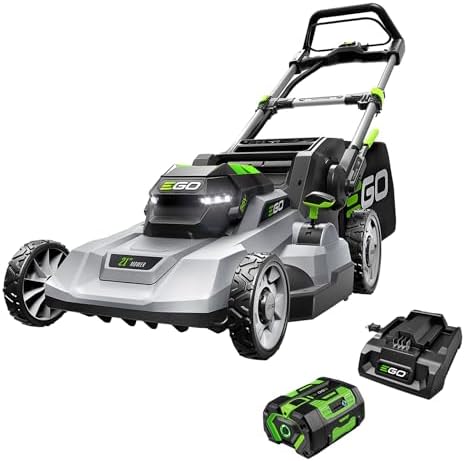
EGO POWER+ Electric Lawn Mower, Self-Propelled Cordless with 22" Aluminum
- BCGarden Score8.8
BCGarden scores from 0 to 10 are automatically scored by our AI consumer report tool based upon the data collected. This score has no relationship or impact from any manufacturer or sales agent websites. Learn more
- BrandEGO Power+

- BCGarden Score8.4
BCGarden scores from 0 to 10 are automatically scored by our AI consumer report tool based upon the data collected. This score has no relationship or impact from any manufacturer or sales agent websites. Learn more
- BrandEGO Power+

SENIX 201cc 22" 3-in-1 Variable Speed Self Propelled Gas Lawn
- BCGarden Score8.0
BCGarden scores from 0 to 10 are automatically scored by our AI consumer report tool based upon the data collected. This score has no relationship or impact from any manufacturer or sales agent websites. Learn more
- BrandSENIX

- BCGarden Score7.8
BCGarden scores from 0 to 10 are automatically scored by our AI consumer report tool based upon the data collected. This score has no relationship or impact from any manufacturer or sales agent websites. Learn more
- BrandSENIX

- BCGarden Score8.0
BCGarden scores from 0 to 10 are automatically scored by our AI consumer report tool based upon the data collected. This score has no relationship or impact from any manufacturer or sales agent websites. Learn more
- BrandPowerSmart

- BCGarden Score7.8
BCGarden scores from 0 to 10 are automatically scored by our AI consumer report tool based upon the data collected. This score has no relationship or impact from any manufacturer or sales agent websites. Learn more
- BrandPowerSmart
Last update on 2026-11-23 / Affiliate links / Images, Product Titles, and Product Highlights from Amazon Product Advertising API
Owners of Small to Medium Lawns Who Want Fewer Passes
Your lawn runs somewhere around a quarter to a half acre of actual grass, big enough that a small deck feels slow, small enough that a riding mower is overkill. The wider swath trims meaningful time off every mow, and a 22 inch deck still turns around flower beds and trees without drama. This is the group the size was made for.
Gardeners Replacing a Worn 21 Inch Mower
Your old mower is done, and you are deciding whether to repeat the size or step up. If your mowing time has crept up as you added lawn, or you simply want the job finished faster, the step to 22 inches makes sense, provided your gates and shed door accept the slightly wider housing. Measure before you buy, not after.
Homeowners With Slopes, Corners and Tight Storage
Your yard is not a rectangle; it has a slope at the back, tight corners by the beds and a shed that barely fits the current mower. For you, drive type and wheel size may matter more than deck width. A lighter push model or a well balanced self propelled model in this size can beat a wider machine you fight all afternoon.
Deck Width and the Real Cutting Swath
The stamped deck size is close to, but not exactly, the blade cut width, and the housing extends beyond the blade path on both sides. That housing width is the number that decides gate fit and how close you can trim along a fence. Compared with a 21 inch deck, the 22 inch saves roughly one pass in twenty, which adds up across a season but will not transform a huge lawn; owners of an acre or more should look at the categories in our guide to the best zero turn lawn mower instead. Steel decks dominate this size and shrug off the knocks of family yard life better than composite at this price level.
Power Source: Gas, Corded and Battery at This Size
Gas engines remain common on 22 inch decks because the wider cut asks for steady torque in thick grass. Battery models at this size have improved fast and suit most maintained lawns, with the bonus of no fuel storage and a button start, though a very thick or wet lawn drains packs quickly. Corded models exist but the cord limits a deck this wide more than it does a small mower. If electric appeals to you, our guide to the best electric lawn mower options compares battery platforms and runtimes in depth. Match the platform to your total mowing time, not just your lawn size.
Drive Type: Push or Self Propelled
A push mower in this class keeps weight and cost down and gives you full control in tight corners, but you supply all the effort on slopes. Self propelled models drive the wheels so you mostly steer, with front wheel drive favoring flat lawns where you pivot often, and rear wheel drive climbing and gripping better under a full bag. Variable speed drive that matches your walking pace feels far better than a single speed that drags you. Shoppers who prefer the simplest machines will find the tradeoffs laid out in our guide to the best push lawn mower models.
Cutting Height Range and Adjustment
Garden lawns change height needs across the season: higher in summer heat to shade roots and crowd out weeds, a bit lower in spring and fall. Look for a range that reaches at least 3.5 to 4 inches at the top end, and for adjustment that moves the whole deck with one lever rather than four fiddly wheel levers. Single lever adjustment also keeps the deck level, which prevents the scalped stripes that come from one corner sitting lower than the rest. Check that the settings are marked honestly, since stamped numbers on some decks are optimistic.
Discharge Options: Bagging, Mulching and Side Discharge
Most 22 inch mowers offer all three discharge paths, and the differences show in the details. A rear bag with a wide mouth fills more evenly and empties without spilling, and its capacity decides how often you stop. Mulching performance depends on blade design and deck shape; a mower that mulches well leaves clippings invisible instead of windrowed. Side discharge handles tall, wet grass that would clog a mulch setup, which is common in spring. Gardeners who feed beds with leaf mulch in fall often rate strong bagging and mulching above raw power.
Wheel Size and Terrain Handling
Large rear wheels, often 11 or 12 inches, roll over ruts, roots and bumpy lawn far more easily than small wheels, and they make the mower feel lighter than it is. Ball bearing wheels keep that easy roll after seasons of dust and washdowns, while plain bushings get gritty. On smooth, flat lawns, standard wheels are fine and keep the price down. If your yard has a ditch edge, garden paths or a gravel border to cross, wheel size is the feature you will notice every single mow, long after you forget the engine specs.
Two quick measurements settle most buying questions. First, walk your narrowest gate or shed opening with a tape: you need the mower overall housing width, usually a bit more than 22 inches, plus a finger width of clearance on each side. Second, pace your lawn and estimate real grass area, excluding beds, paths and the house footprint; many gardeners discover their half acre lot holds barely a quarter acre of grass, which puts them squarely in this deck size. Note slopes and tight turns too. A mower that fits your storage, your gates and your turns will be used happily for a decade.
- Buying the wider deck for a tiny, corner filled lawn: you spend the saved passes wrestling the housing around beds instead.
- Checking deck size but not housing width: the mower that cannot pass your gate gets stored in the rain or returned.
- Scalping uneven spots with a wide deck: a broad deck bridges bumps less forgivingly, so slow down and raise the height on rough ground.
- Choosing power by habit instead of mowing time: battery runtime and gas storage needs follow your actual session length, not your last mower.
- Ignoring mower safety basics: clear sticks and stones first, keep kids and pets inside, and never reach under a deck while the blade can still spin.
After each mow, knock grass off the deck top and, once the engine or battery is safely off and the spark plug wire or safety key removed, clean buildup from under the deck so airflow and mulching stay honest. Sharpen the blade at least once a season; a dull blade tears grass tips brown and makes any engine work harder. Gas models need fresh fuel habits, a clean air filter and an oil check before the first spring start, plus fuel stabilizer or a drained tank for winter. Battery models store best with packs indoors at partial charge. Store the mower under cover, because a deck left in the rain rusts from the underside where you never look.
What size yard is a 22 inch lawn mower best for?
It suits roughly a quarter to a half acre of actual grass, mowed regularly. On smaller lawns it works fine but saves little, and tight corners may make a smaller deck feel nimbler. On larger lawns the pass count climbs until mowing becomes a chore, which is the signal to consider a wider walk behind or a riding category. Measure grass area rather than lot size, because beds, trees and paths shrink the real number considerably.
Is a 22 inch lawn mower worth it over a 21 inch model?
If your lawn sits near the top of the walk behind range, yes: the wider cut saves a few passes every session and hours across a season, usually for a small price difference. If your 21 inch mower already finishes the job comfortably, the upgrade alone is not a reason to replace it early. Decide when your current mower is due for replacement anyway, and let gate clearance have the final vote.
How long does a 22 inch lawn mower last?
A maintained mower in this class commonly serves about eight to ten years of residential use. Gas models live or die by fuel and oil habits, while battery models depend on pack care and storage. The deck usually outlasts wheels, cables and drive belts, which are normal wear items. Seasonal cleaning, a sharp blade and dry storage do more for lifespan than buying a heavier model and neglecting it.
How do you clean under a 22 inch mower deck?
Stop the mower fully: for gas, disconnect the spark plug wire; for battery, remove the pack or safety key. Tip the mower with the air filter side up on gas models so oil and fuel stay put, then scrape caked grass with a plastic scraper or stiff brush and rinse if the maker allows. Many decks include a washout port for a hose. Never reach in with the blade able to turn, and let the deck dry before storing.
Will a 22 inch lawn mower fit through my garden gate?
Usually, but verify it. Standard garden gates run about 36 inches wide, which swallows this mower class easily, yet older or decorative gates can be far narrower, and the true test is the mower housing width, not the deck number. Measure your narrowest opening and compare it with the overall width in the mower specifications, leaving a small margin for angled entry. Folding handles solve storage depth, not width, so gate math comes first.
The best 22 inch lawn mower is a sizing decision before it is anything else: wide enough to shorten your laps on a medium lawn, compact enough to live in your shed and turn around your beds. Use the product table above to compare power sources, drive types and wheel setups once the size question is settled, and measure your gates before the mower comes home. Chosen that way, this unglamorous extra inch quietly gives you back a piece of every weekend.


Are Electric Leaf Blowers Quieter Than Gas?

Best Briggs and Stratton Snow Blowers: A Yard Guide for 2026

Best Electric Lawn Mowers for Large Gardens: A Buyer Checklist for 2026

Best Echo Leaf Blowers: Which Type Suits Your Yard in 2026
Best Garden Lawn Mowers: The Buyer Checklist We Use for 2026

Best Chainsaw for Storm Cleanup: A Yard Guide for 2026

Best GPS Robot Lawn Mower for 2026: A Practical Buying Guide

Best Cub Cadet Snow Blower: How to Choose by Yard and Snowfall for 2026








