
Best Electric Lawn Mowers for Large Gardens: A Buyer Checklist for 2026
A large garden changes what matters in a mower, because a machine that feels fine on a small patch can leave you recharging halfway across the lawn. This guide uses a simple checklist to judge best electric lawn mowers for large gardens on runtime, coverage, and ease of handling. Use the points below alongside the product comparison table to narrow your choices with confidence.
Start by measuring your actual grass area, noting slopes, trees, beds, and narrow gates. Those details decide deck width, drive type, and battery capacity far more than headline power claims do. A clear plan before you shop prevents the most common and costly mismatch.
Compare Products

- BCGarden Score8.8
BCGarden scores from 0 to 10 are automatically scored by our AI consumer report tool based upon the data collected. This score has no relationship or impact from any manufacturer or sales agent websites. Learn more
- BrandEGO Power+

- BCGarden Score8.2
BCGarden scores from 0 to 10 are automatically scored by our AI consumer report tool based upon the data collected. This score has no relationship or impact from any manufacturer or sales agent websites. Learn more
- BrandGreenworks

- BCGarden Score8.6
BCGarden scores from 0 to 10 are automatically scored by our AI consumer report tool based upon the data collected. This score has no relationship or impact from any manufacturer or sales agent websites. Learn more
- BrandGreenworks
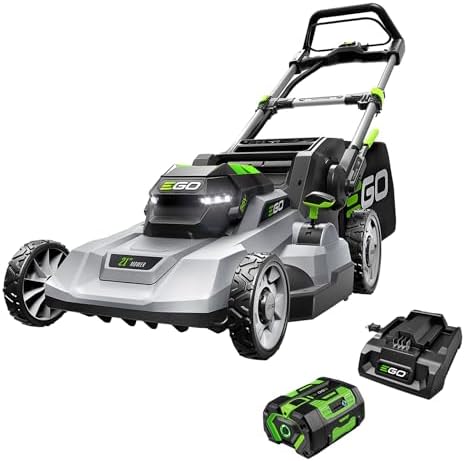
- BCGarden Score8.8
BCGarden scores from 0 to 10 are automatically scored by our AI consumer report tool based upon the data collected. This score has no relationship or impact from any manufacturer or sales agent websites. Learn more
- BrandEGO Power+

- BCGarden Score7.8
BCGarden scores from 0 to 10 are automatically scored by our AI consumer report tool based upon the data collected. This score has no relationship or impact from any manufacturer or sales agent websites. Learn more
- BrandHonda

- BCGarden Score8.8
BCGarden scores from 0 to 10 are automatically scored by our AI consumer report tool based upon the data collected. This score has no relationship or impact from any manufacturer or sales agent websites. Learn more
- BrandNovorikX

- BCGarden Score8.4
BCGarden scores from 0 to 10 are automatically scored by our AI consumer report tool based upon the data collected. This score has no relationship or impact from any manufacturer or sales agent websites. Learn more
- BrandHonda

- BCGarden Score-
BCGarden scores from 0 to 10 are automatically scored by our AI consumer report tool based upon the data collected. This score has no relationship or impact from any manufacturer or sales agent websites. Learn more
- BrandPOWERWORKS
Last update on 2026-11-23 / Affiliate links / Images, Product Titles, and Product Highlights from Amazon Product Advertising API
Large gardens punish weak runtime and narrow decks, so judge each model against the same set of thresholds. A good target is enough battery to finish in one session or with one planned swap, a deck wide enough to limit passes, and a drive that saves your energy on long runs. The sections below explain each criterion and what a strong result looks like.
Features That Matter for Large Gardens
For a large garden, cutting width, battery runtime, and grass handling matter together, not in isolation. A wider cutting deck clears more ground per pass, while mulching and bagging options let you match the mower to your grass growth and cleanup habits. Look for cutting height adjustment that you can change quickly with one lever, because long sessions often cross sunny, shady, thick, and thin areas.
Measuring for Size and Portability
Measure your gate width, shed doorway, and storage corner before you choose a deck size, and leave a few inches of clearance on each side. Check the folded handle length and total weight with the battery fitted, since that is the weight you will move each week. If storage is tight, a narrower deck that stores easily may serve you better than the widest option.
Power Source: Gas, Battery, or Corded Electric
Battery powered mowers suit most large gardens when the battery system offers spare packs and a charger that keeps pace with your routine. Corded models never run out of power, but the cable limits range and makes work around trees and beds slow and frustrating. Gas power still offers long running time, yet it brings fuel storage, oil changes, pull starting, and more noise. If you are weighing that tradeoff directly, see our guide to the best petrol lawn mowers for large gardens for the gas side of the comparison.
Within battery models, pay attention to whether the same battery fits your other garden tools, because shared packs lower total cost and simplify charging. For cordless choices in particular, see our guide to the best cordless lawn mowers for large gardens when you want to focus only on untethered designs. A mower that uses two packs at once can extend runtime, but only if you already own or budget for the second pack.
Deck Material and Build
Steel decks handle knocks from stones and edging well and are common on walk behind models built for regular heavy use. Composite decks resist rust and keep weight down, which helps on long pushes and when you lift the mower for cleaning. Whichever material you choose, inspect the deck edge, wheel mounts, and handle joints for solid construction.
Drive Type and Control on Long Runs
Push mowers keep cost and weight low, but on a large garden the effort adds up quickly, especially on slopes or in thick grass. Self propelled drive moves the mower forward for you and lets you focus on steering, with rear wheel drive giving strong grip on inclines. Variable speed control matters because it lets you slow for dense patches and speed up on open, flat stretches.
Yard Size and Cutting Width
Match deck width to area so you are not spending your whole afternoon walking rows. For under a quarter acre of grass, a deck around 16 to 18 inches can be enough, while a half acre to one acre usually suits 20 to 21 inch self propelled models. Above one acre, consider the largest walk behind widths you can store, or a riding or robotic option if your budget and layout allow it. For a closer look at sizing by area alone, see our guide to the best electric lawn mowers for large yards alongside your own measurements.
Count passes in your head for your widest open section, because each extra pass adds time and battery use. If you are still deciding between power types for a big property, see our guide to the best lawn mowers for large gardens for the full picture across electric and gas. Readers who phrase their search by lawn rather than garden will also find value when they see our guide to the best electric mowers for large lawns for similar acreage advice.
Runtime claims only help when you translate them into your own garden. Walk your usual mowing route and time how long it takes with your current setup, or estimate it from area and walking speed. Then compare that time with the stated runtime under load, not the best case figure, and add a margin for thick spring growth. Planning this way turns a vague battery claim into a clear yes or no for your property.
Think about your charging plan as part of the purchase, not as an afterthought. A second battery that charges while you mow can let a mid sized system cover a large garden in one outing, while a single slow charger can create long waits. Place the charger near where you store the mower, on a dry surface with ventilation.
Consider how you handle clippings across a big area, because bagging, mulching, and side discharge each change your pace. Bagging keeps lawns tidy but requires frequent stops to empty on large gardens, which drains both time and battery. Mulching returns fine clippings to the lawn and keeps you moving, though it works best when you cut often and remove only a small amount each time.
Run through these questions before you order, and treat any no as a reason to keep looking. Honest answers here will do more for your result than any headline claim in a listing.
- Can the mower cover my measured grass area on one charge or with one planned battery swap?
- Does the deck width fit my gates, storage space, and narrowest passage with room to spare?
- Does the drive type match my slopes and the distance I will walk each session?
- Can I adjust cutting height quickly across the full range my grass needs?
- Do the bagging and mulching options match how I prefer to handle clippings?
- Does the battery fit other tools I own, or am I comfortable starting a new battery system?
- Is the total weight with battery fitted manageable for me to move and store weekly?
- Does the warranty cover the battery as well as the mower itself for a fair period?
Listings for large garden mowers sometimes hide weak coverage behind bold power language. Watch for these warning signs when you compare options in the product table above, and be ready to walk away from a model that shows several of them.
- Runtime is stated with no area figure and no mention of grass conditions, so you cannot judge real coverage for an acre or more.
- The deck width sounds large but the actual cutting width is much smaller, which means more passes than you expected.
- Battery and charger are sold separately with no clear note, so the real cost to start mowing is far above the listed price.
- The warranty is short or excludes the battery, leaving the most expensive part of the system with little protection.
- Replacement blades, bags, and batteries are hard to find, so simple upkeep becomes a search each season.
Keep the blade sharp by sharpening it each season, or sooner if you see torn grass tips that turn brown after cutting. A dull blade tears instead of slicing, which strains the motor, drains the battery faster, and leaves the lawn looking uneven. Always remove the battery before you tip the mower to inspect or remove the blade, and wear gloves when handling the blade edge. Follow the maker guidance for blade removal and refitting torque.
Never cut more than one third of the grass blade at once, because removing more shocks the plant and forces the mower to work through dense material. Raise the cutting height in hot or dry spells and lower it gradually when growth is strong. After each session, brush dry clippings from the deck underside once the battery is out, and wipe the top surfaces clean. Clearing buildup keeps airflow steady and helps the deck resist corrosion.
Store batteries indoors in winter in a dry place at moderate room temperature, away from direct heat and freezing conditions. Charge packs according to the maker instructions and avoid leaving them fully flat for long periods between seasons. Check wheels, handle bolts, and cable clips at the start of spring, and tighten anything that has worked loose.
What features matter most in electric lawn mowers for large gardens?
Battery runtime, cutting deck width, and drive type matter most, because they decide whether you finish in one session without exhausting yourself. Beyond those three, look closely at how fast the charger restores a pack, since a fast turnaround can rescue a mow that runs long. A mower with modest power but fast charging and a spare pack often outperforms a stronger model that leaves you waiting.
Is a zero turn electric lawn mower worth it for one acre?
A zero turn mower can be worth it for one acre if your garden is mostly open, flat, and free of tight beds that force slow, careful turns. Its speed and tight turning save real time on open ground, but the higher cost and storage needs are harder to justify on a broken up layout. For many one acre gardens with fences and trees, a wide self propelled walk behind model offers better value.
What size electric lawn mower do I need for a large garden?
Most large gardens suit a deck of 20 to 21 inches on a walk behind model, which balances coverage, weight, and storage in a practical way. If your grass area is well above one acre and mostly open, stepping up in width or moving to a riding format will save more time than any power increase. Measure your gates first, because the right size on paper is useless if the mower cannot reach the lawn.
How long does an electric lawn mower for a large garden last?
A well kept electric lawn mower can serve for many seasons, with the battery usually aging sooner than the motor or deck. You can slow battery wear by storing packs indoors, avoiding deep discharge as a habit, and keeping contacts clean and dry. When runtime drops noticeably, replacing the battery often restores the mower to full usefulness without replacing the whole machine, which keeps long term costs down.
How often should I sharpen electric lawn mower blades?
Sharpen the blade at least once each season, and check it sooner if you strike a stone, a root, or thick edging. A useful field check is to look at freshly cut grass tips the next day, since frayed white ends signal a dull edge even before the cut looks rough. Keep a spare blade on hand if your garden has many stones, so a damaged blade does not stop your mowing schedule.
For a large garden, the winning formula is simple to state and easy to test: enough runtime to finish, a deck wide enough to limit passes, and a drive that matches your slopes. Use the checklist in this guide to score each option in the comparison table above against your measured area, gates, and storage. When a mower passes every line, you have likely found the best electric lawn mowers for large gardens choice for your own ground, your routine, and your budget.


Are Electric Leaf Blowers Quieter Than Gas?

Best Briggs and Stratton Snow Blowers: A Yard Guide for 2026

Best 22 Inch Lawn Mower in 2026: Is This Deck Size Right for Your Yard?

Best Echo Leaf Blowers: Which Type Suits Your Yard in 2026
Best Garden Lawn Mowers: The Buyer Checklist We Use for 2026

Best Chainsaw for Storm Cleanup: A Yard Guide for 2026

Best GPS Robot Lawn Mower for 2026: A Practical Buying Guide

Best Cub Cadet Snow Blower: How to Choose by Yard and Snowfall for 2026








