
Best Chainsaw for Storm Cleanup: A Yard Guide for 2026
The morning after a storm, the yard tells a different story than it did at dinner: a maple limb across the fence, the old apple tree leaning on the shed, branches in every bed. Reaching for the best chainsaw for storm cleanup is really about reaching for the right size of saw, because storm wood is tangled, loaded with tension, and mixed with the debris you cannot see until the bar finds it.
Cleanup cutting differs from tidy firewood work. You will cut wood that is pinched, sprung, and resting on other wood, often while standing on uneven ground among wet leaves. The comparison table below shows the practical size classes, and this guide covers how to choose among them, how to work safely through a damaged tree, and where the honest line sits between a homeowner job and a call to a tree service.
Compare Products

Husqvarna 460 Rancher Gas Powered Chainsaw, 24 Inch
- BCGarden Score8.8
BCGarden scores from 0 to 10 are automatically scored by our AI consumer report tool based upon the data collected. This score has no relationship or impact from any manufacturer or sales agent websites. Learn more
- BrandHusqvarna
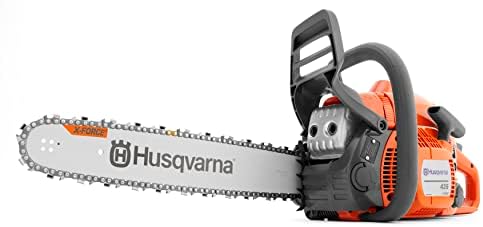
Husqvarna 435 Gas Chainsaw, 40-cc 2.2-HP, 2-Cycle X-Torq Engine, 16
- BCGarden Score8.6
BCGarden scores from 0 to 10 are automatically scored by our AI consumer report tool based upon the data collected. This score has no relationship or impact from any manufacturer or sales agent websites. Learn more
- BrandHusqvarna

- BCGarden Score8.4
BCGarden scores from 0 to 10 are automatically scored by our AI consumer report tool based upon the data collected. This score has no relationship or impact from any manufacturer or sales agent websites. Learn more
- BrandHusqvarna

- BCGarden Score9.2
BCGarden scores from 0 to 10 are automatically scored by our AI consumer report tool based upon the data collected. This score has no relationship or impact from any manufacturer or sales agent websites. Learn more
- BrandEGO Power+

- BCGarden Score8.8
BCGarden scores from 0 to 10 are automatically scored by our AI consumer report tool based upon the data collected. This score has no relationship or impact from any manufacturer or sales agent websites. Learn more
- BrandGreenworks

- BCGarden Score9.2
BCGarden scores from 0 to 10 are automatically scored by our AI consumer report tool based upon the data collected. This score has no relationship or impact from any manufacturer or sales agent websites. Learn more
- BrandSeesii

DongCheng 40V 16-Inch Brushless Cordless Chainsaw with 2x4.0Ah Batteries –
- BCGarden Score8.8
BCGarden scores from 0 to 10 are automatically scored by our AI consumer report tool based upon the data collected. This score has no relationship or impact from any manufacturer or sales agent websites. Learn more
- BrandDong Cheng

- BCGarden Score9.0
BCGarden scores from 0 to 10 are automatically scored by our AI consumer report tool based upon the data collected. This score has no relationship or impact from any manufacturer or sales agent websites. Learn more
- BrandN/A

- BCGarden Score8.2
BCGarden scores from 0 to 10 are automatically scored by our AI consumer report tool based upon the data collected. This score has no relationship or impact from any manufacturer or sales agent websites. Learn more
- BrandSUPMIXTOOLS
Last update on 2026-11-23 / Affiliate links / Images, Product Titles, and Product Highlights from Amazon Product Advertising API
Homeowners Whose Storms Drop Limbs, Not Whole Trees
If your typical storm leaves branches up to about 10 inches thick scattered over the lawn, a mid size battery or gas saw with a 16 inch bar handles nearly all of it. The work is mostly limbing and bucking on open ground, and a lighter saw leaves you fresher for the hauling that follows. Owners who already run battery yard tools get extra value from staying in that platform, with spare packs rotating through the charger.
Wooded Lot Owners Who Lose Full Trees
Properties with mature trees need an 18 to 20 inch bar and the engine size to pull it, because storm felling turns into trunk work fast. A gas saw in the 45 to 55 cc range is the traditional choice, cutting all day on a fuel can while the power is still out. This class also gives you the chain speed to work through dirty, gritty bark without the saw feeling strained.
Rural Owners Clearing Lanes and Fences
When a blocked lane or a fence line under a fallen top is the emergency, portability and starting reliability matter more than peak power. A saw that starts on the second pull after months in the shed, carried with a sharp spare chain and a full fuel can, is worth more than a bigger saw that needs coaxing. Many rural owners keep a mid size saw ready for exactly this role and leave the largest trunk work to a contractor.
Bar Length Matched to Your Trees
Bar length should cover the thickest wood you realistically cut, with a couple of inches to spare. A 16 inch bar works through wood up to about 14 inches in a single pass and handles larger trunks with cuts from both sides. Going longer than you need adds nose weight and chain to maintain, and it raises the kickback zone you must manage on every cut. Measure your largest trees at chest height before shopping, not after the storm.
Gas or Battery When the Power Is Out
Storms often take the grid with them, which shapes this choice more than any spec sheet. Gas saws refuel in a minute and run as long as your fuel can lasts, and the general guide to the best chainsaw types compares engine classes in depth. Battery saws start instantly, need no fuel mixing in a chaotic week, and are quieter around neighbors doing the same work, but runtime depends on how many packs you own and whether you can recharge them.
Chain Type and Cutting in Dirty Wood
Storm wood carries grit, and sometimes wire, staples, and old fence hardware. A standard full chisel chain cuts fast in clean wood but dulls quickly in bark full of dirt; a semi chisel chain holds its edge longer in dirty conditions and forgives the occasional ground contact. Carry at least one spare sharpened chain, because swapping chains in the field is faster than filing while a tree rests on your fence.
Anti Vibration, Weight, and Fatigue Control
Cleanup sessions run long, and fatigue is a safety feature in reverse. Spring mounted anti vibration systems and a working weight you can control at arm's length reduce the sloppy cuts that happen in hour three. If you are choosing between two saws of similar power, the lighter one with better vibration control is usually the safer cleanup tool, especially for owners who cut only a few times a year.
Safety Hardware That Must Be Present
A working chain brake, a chain catcher, and a throttle lockout are non negotiable on any cleanup saw. Pair the saw with chaps, eye and ear protection, gloves, and boots, and budget for that gear as part of the purchase. The homeowner focused roundup at the best chainsaw for homeowners guide covers starter gear sets in more detail for first time buyers.
Storm wood stores energy. A limb bent under a fallen trunk is a spring that can throw the saw or roll the log when the last fibers let go. Read each piece before cutting: find what is supporting the weight, cut the small material first, and make relief cuts on the tension side in shallow stages. Never cut a tree that is touching or near a downed power line; treat every line as live and call the utility. Likewise, a trunk resting on a roof, a car, or a fence under load is a professional job, because the load shifts as wood comes off. Homeowner cleanup ends where rigging and guesswork begin, and knowing that boundary is the most valuable skill the saw cannot give you. For small material once the big wood is down, a compact saw from the best mini chainsaw class makes the limbing pile shrink quickly without tiring your arms.
- Cutting a bent limb in one pass, so the stored tension throws the wood or the saw as it releases.
- Working anywhere near a downed power line instead of waiting for the utility to clear it.
- Starting with the biggest trunk wood, which burns energy and sharp chain before the easy clearing is done.
- Skipping chaps and eye protection because the job looks small, when most cleanup injuries happen on small jobs.
- Cutting with a dull chain in dirty bark, which forces the saw, overheats the bar, and invites kickback.
A cleanup saw earns hard wear, so put it away properly after each storm. Clean packed sawdust and grit from the bar groove, sprocket, and air filter, because storm debris works into every space. Sharpen or swap the chain before storing, not at the start of the next emergency. Drain or treat fuel for storage, keep the saw in its case off the shed floor, and store spare chains oiled in a sealed box. A saw maintained this way starts when the next storm hits, which is the entire point of owning one.
What should I look for in a chainsaw for storm cleanup?
Look for a bar long enough for your largest trees, a working chain brake, and a weight you can control when tired, in that order. Add a semi chisel spare chain for dirty wood and the full set of protective gear. Power source comes last: gas for long outages and big wood, battery for limb work where packs and a generator or returning power can keep you cutting.
How long does a storm cleanup chainsaw last?
The saw itself can serve for many years and many storms, because home cleanup use is measured in days per year, not hours per week. Chains, bars, and filters turn over far more often, especially after gritty storm work. A saw that is stored fueled correctly and kept clean between storms commonly outlasts the trees that prompted its purchase.
How do you clean a chainsaw after storm cleanup?
Brush out the bar groove and clutch cover, wash grit from the chain with a stiff brush, and clear the air filter before the saw goes back in its case. Storm wood hides sand in the bark, so inspect the chain for dulled or damaged cutters and swap in the spare if the edge is gone. Dry storage matters most after wet storm work, since a damp case grows rust on the chain overnight.
Is a battery chainsaw worth it for storm cleanup?
For limb and small tree work, yes, provided you own several battery packs or have a way to recharge during an outage. Battery saws shine for the scattered branch work that makes up most suburban cleanup, and options in the best battery chainsaw class now reach 16 and 18 inch bars. For repeated full trunk work with the grid down, gas remains the practical answer.
When should I hire a professional instead of cutting storm damage myself?
Hire out any tree touching a power line, resting on a structure, hung up in another tree, or thick enough that the trunk work exceeds your bar with cuts from both sides. Leaning trees with lifted root plates also store dangerous energy that rigging, not horsepower, controls. The cost of one professional visit is small next to a roof repair or an injury, and most services will leave the wood cut to stove length if you ask.
The best chainsaw for storm cleanup is sized to your trees, sharp before the storm season starts, and paired with protective gear and a clear sense of which jobs to hand to a professional. Compare bar length, power source, and weight in the product table above, then walk your yard and count the trees that decide the size for you.


Are Electric Leaf Blowers Quieter Than Gas?

Best Briggs and Stratton Snow Blowers: A Yard Guide for 2026

Best 22 Inch Lawn Mower in 2026: Is This Deck Size Right for Your Yard?

Best Electric Lawn Mowers for Large Gardens: A Buyer Checklist for 2026

Best Echo Leaf Blowers: Which Type Suits Your Yard in 2026
Best Garden Lawn Mowers: The Buyer Checklist We Use for 2026

Best GPS Robot Lawn Mower for 2026: A Practical Buying Guide
Best Cub Cadet Snow Blower: How to Choose by Yard and Snowfall for 2026








