
How to Find the Best Chainsaw Under 500 for 2026
Five hundred dollars is the budget line where a chainsaw stops being a light yard toy and starts being a real tool. Under that ceiling you can buy a gas saw that heats a house all winter, a battery saw that clears storm damage in silence, or a compact saw that prunes for decades. Finding the best chainsaw under 500 for your property means deciding which of those jobs matters most, because no single saw under the cap does all three equally well.
The comparison table below groups the main classes by power source and bar length. Use this guide to work out which class deserves your money, what the budget quietly leaves out, and how much to hold back for the gear that keeps you safe.
Compare Products

- BCGarden Score9.4
BCGarden scores from 0 to 10 are automatically scored by our AI consumer report tool based upon the data collected. This score has no relationship or impact from any manufacturer or sales agent websites. Learn more
- BrandStihl

- BCGarden Score9.0
BCGarden scores from 0 to 10 are automatically scored by our AI consumer report tool based upon the data collected. This score has no relationship or impact from any manufacturer or sales agent websites. Learn more
- BrandHusqvarna

- BCGarden Score10.0
BCGarden scores from 0 to 10 are automatically scored by our AI consumer report tool based upon the data collected. This score has no relationship or impact from any manufacturer or sales agent websites. Learn more
- BrandEGO Power+

- BCGarden Score9.2
BCGarden scores from 0 to 10 are automatically scored by our AI consumer report tool based upon the data collected. This score has no relationship or impact from any manufacturer or sales agent websites. Learn more
- BrandStihl

- BCGarden Score8.8
BCGarden scores from 0 to 10 are automatically scored by our AI consumer report tool based upon the data collected. This score has no relationship or impact from any manufacturer or sales agent websites. Learn more
- BrandGreenworks

- BCGarden Score9.2
BCGarden scores from 0 to 10 are automatically scored by our AI consumer report tool based upon the data collected. This score has no relationship or impact from any manufacturer or sales agent websites. Learn more
- BrandEGO Power+
- BCGarden Score8.6
BCGarden scores from 0 to 10 are automatically scored by our AI consumer report tool based upon the data collected. This score has no relationship or impact from any manufacturer or sales agent websites. Learn more
- BrandHusqvarna

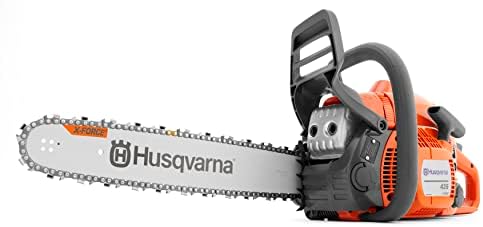
Husqvarna 130 Gas Powered Chainsaw, 16 Inch | Chain saw
- BCGarden Score8.4
BCGarden scores from 0 to 10 are automatically scored by our AI consumer report tool based upon the data collected. This score has no relationship or impact from any manufacturer or sales agent websites. Learn more
- BrandHusqvarna

NovorikX 60V 18" & 16" Electric Chainsaw, 5.0Ah Battery Chainsaw
- BCGarden Score9.2
BCGarden scores from 0 to 10 are automatically scored by our AI consumer report tool based upon the data collected. This score has no relationship or impact from any manufacturer or sales agent websites. Learn more
- BrandNovorikX

SEESII 40V Eectric Chainsaw Cordless 16 Inch, Battery Powered Chain
- BCGarden Score9.2
BCGarden scores from 0 to 10 are automatically scored by our AI consumer report tool based upon the data collected. This score has no relationship or impact from any manufacturer or sales agent websites. Learn more
- BrandSeesii

- BCGarden Score8.8
BCGarden scores from 0 to 10 are automatically scored by our AI consumer report tool based upon the data collected. This score has no relationship or impact from any manufacturer or sales agent websites. Learn more
- BrandDong Cheng
Last update on 2026-11-24 / Affiliate links / Images, Product Titles, and Product Highlights from Amazon Product Advertising API
Start from the work, not the shelf tag. If you are new to saws entirely, our guide to the best chainsaw for homeowners explains the beginner friendly features to look for before you compare prices.
Firewood Cutters Heating With Wood
If you buck several cords a year, spend the budget on a gas saw with an 18 or 20 inch bar and an engine in the middle homeowner range. This class takes the largest share of the under $500 market because it balances cutting speed, parts availability and price. Battery saws can buck firewood too, but at this budget the cost of enough batteries to work all afternoon eats the savings. Your money goes further on fuel, a spare chain and a good sharpening kit.
Suburban Homeowners Facing storm cleanup
If your saw comes out after storms and for the occasional fallen limb, a battery kit in the upper half of this budget is the smarter buy. It starts instantly after months in the garage, runs quietly enough for early morning work in a close neighborhood, and needs almost no maintenance between jobs. A 16 inch bar covers most suburban trees, and the same battery platform often powers your trimmer and blower, which stretches the value of the kit.
Gardeners Pruning Orchards and Thick Hedges
If most of your cutting is pruning fruit trees, cutting back overgrown shrubs and slicing small logs for the stove, a lighter saw with a 14 or 16 inch bar will tire you less and wander less in the cut. Gardeners often overspend on bar length they never use. A compact saw leaves budget room for quality chaps and a helmet, and it is far easier to control on the awkward angled cuts that orchard work demands all morning.
Power Source and What the Budget Buys
At under $500, gas buys the most raw cutting per dollar, and battery buys convenience and quiet. A top tier battery kit with two large batteries can consume most of the budget on its own, so compare what is actually in the box. Our breakdown of the best battery chainsaw classes shows how voltage platforms change what you get. Decide the power source first; every other spec follows from that choice.
Bar Length and Honest Cutting Capacity
A saw cuts wood up to roughly twice its bar length by working from both sides, but comfort and speed peak at about 80 percent of the bar. A 16 inch bar handles logs to about 14 inches in one pass and suits most yard trees, while an 18 to 20 inch bar earns its keep on firewood piles and storm trunks. For pruning only, the compact end of the range overlaps with the best mini chainsaw category, where light weight matters more than reach. Longer bars add weight and cost, so buy the length your wood pile actually needs.
Engine Size, Chain Speed and Chain Type
On gas saws, engine displacement in the mid range pulls a full chisel chain through hardwood without bogging, while smaller engines pair best with low profile chain that cuts smoothly with less power. Chain pitch and gauge must match the bar and sprocket exactly, and replacements are cheap only when you stick to common sizes. Battery saws list chain speed instead of displacement; higher speed clears chips faster in softwood but drains the pack sooner. Ask how the saw is set up from the factory, because chain choice shapes cutting feel more than most buyers expect.
Safety Features That Are Not Optional
Every saw in this budget should have a working chain brake that stops the chain when your wrist rolls forward, a throttle lockout that prevents accidental revving, and a low kickback chain and bar combination. Inertia brakes that trigger during kickback are worth real money. Budget brands occasionally skimp on the chain catcher, the small pin that traps a thrown chain before it reaches your hand, so check for it. These features cost little at the factory and everything in the emergency room, which makes them the last place to accept a compromise.
Weight and Vibration Control
A saw that weighs two pounds less will feel like a different tool after an hour of bucking. Published weights often exclude the bar, chain and fuel, so compare working weights when you can. Spring mounted anti vibration systems on mid range gas saws reduce the buzz that numbs hands and ruins accuracy late in a session. Battery saws vibrate least of all. If you have wrist or shoulder trouble, weight and vibration deserve a bigger share of your decision than a small difference in engine size.
Running Costs Hiding Behind the Sticker Price
The saw itself is only the first purchase. Budget for bar and chain oil, a spare chain so a dull one never stops your day, files or a sharpener matched to your chain pitch, and fuel stabilizer or spare batteries depending on the platform. Gas saws add air filters and spark plugs over the years. None of this is expensive per item, but a buyer who spends the full $500 on the saw and nothing on consumables ends up forcing a dull chain through wood, which is both slow and dangerous.
A chainsaw is the most dangerous tool most gardeners own, and the budget has to cover protection before power. Set aside money for cut resistant chaps, a helmet with a mesh visor and ear protection, and gloves with a firm grip. Learn the kickback zone at the top of the bar tip and never cut with it buried in wood. Cut at full throttle with the saw body braced, hold both handles firmly, and never cut above shoulder height or from a ladder; work over your head belongs to a trained arborist, especially near roofs and power lines. If you feel tired, stop. Most injuries happen late in the session, not early.
- Spending the whole budget on the saw and nothing on chaps, a helmet and a spare chain.
- Buying a 20 inch bar for pruning work, then fighting the weight on every angled cut.
- Choosing a battery kit with one small battery for firewood duty, so the saw rests more than it cuts.
- Ignoring chain pitch and gauge, then discovering replacement chains for an odd size cost double.
- Storing a gas saw with untreated fuel all winter, which gums the carburetor before spring cleanup.
- Assuming a bigger engine makes up for a dull chain, when sharpness decides cutting speed more than power does.
Keep the chain sharp and correctly tensioned; a sharp chain pulls itself into the wood, while a dull one forces you to push and overheats the bar. Flip the bar each time you swap chains so both rails wear evenly, and clean packed sawdust from the oil ports so the bar stays lubricated. For gas saws, use fresh fuel with stabilizer and run the carburetor dry before long storage. For battery saws, store packs indoors at partial charge. Rinse mud and sap off after garden work, dry the bar before it goes back in its case, and your saw will start and cut like new for many seasons.
Is a battery chainsaw under $500 strong enough for firewood?
Yes for moderate firewood duty, provided the kit includes large batteries. A high voltage battery saw with a 16 or 18 inch bar bucks hardwood rounds at a respectable pace, but a full day of cutting needs several packs or long charge breaks. Occasional firewood cutters often find the trade fair, since they save on fuel, oil mixing and engine maintenance all year.
What bar length do most buyers choose under $500?
The 16 and 18 inch bars dominate this budget because they balance cutting capacity, weight and chain cost for typical yard trees and firewood. A 20 inch bar makes sense only when you regularly cut trunks near that diameter. Remember that longer bars also need more engine or motor to pull the chain, so an oversized bar on a small powerhead cuts slower, not faster.
Should you buy a used professional saw instead of a new one under $500?
A used professional saw can be excellent value if you can inspect it or trust the seller, since pro models have rebuildable engines and metal crankcases. The risk is hidden wear: scored cylinders, tired bearings and worn sprockets can erase the savings quickly. New buyers who cannot judge condition are usually better served by a new homeowner saw with a warranty and a dealer nearby.
How much of the $500 should go to safety gear and extras?
Plan on roughly $100 to $150 of the total for chaps, a helmet system, gloves, a spare chain and sharpening supplies. That leaves about $350 to $400 for the saw itself, which still buys a capable machine in every power class. Treating safety gear as part of the saw purchase, not an optional extra, is the single smartest budgeting move a new owner can make.
Can a chainsaw under $500 fell a tree?
It can fell small to medium trees when the bar length, your skill and the site allow it, using a proper notch and back cut with an escape route planned. Large trees, leaning trees and anything near a house, fence or power line should go to a professional arborist regardless of budget. The saw is rarely the limiting factor in felling; judgment is, and no savings justify a tree falling the wrong way.
Set the budget in two parts: protection and consumables first, then the saw. Match the power source to your real work, keep the bar length honest, and the best chainsaw under 500 for your property becomes an easy pick. Scan the product table above for the classes in your price band, check the full guide to the best chainsaw range if you want the wider picture, and buy before storm season empties the shelf.


Best Black and Decker Leaf Blower Types for 2026

Best Ariens Snow Blowers: Which Model Suits Your Yard? (2026)

Best Cordless Pruning Shears in 2026: Cut Capacity and Battery Advice

Best Dewalt Chainsaw for Firewood, Storm Cleanup and Pruning (2026)

Are Electric Leaf Blowers Quieter Than Gas?

Best Briggs and Stratton Snow Blowers: A Yard Guide for 2026

Best 22 Inch Lawn Mower in 2026: Is This Deck Size Right for Your Yard?

Best Electric Lawn Mowers for Large Gardens: A Buyer Checklist for 2026








