
Best Chainsaw for Pruning Trees and Shrubs (2026)
Late winter is pruning season, and the apple tree in the corner of your yard is a tangle of crossing branches and upright suckers that shaded out last summer's fruit. A full size felling saw is heavy, awkward and far too aggressive for that kind of selective work. The best chainsaw for pruning is a different tool: light, short barred and precise, built to remove chosen branches cleanly so the tree seals the wound and grows back stronger.
This guide covers who a pruning saw suits, the features that make cuts clean instead of ragged, and the cutting method that helps trees heal. The comparison table below puts the key specs side by side, so keep it nearby as you match bar length and weight to the trees in your yard.
Compare Products

- BCGarden Score9.2
BCGarden scores from 0 to 10 are automatically scored by our AI consumer report tool based upon the data collected. This score has no relationship or impact from any manufacturer or sales agent websites. Learn more
- BrandEGO Power+
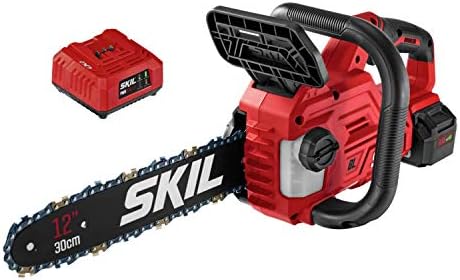
- BCGarden Score8.8
BCGarden scores from 0 to 10 are automatically scored by our AI consumer report tool based upon the data collected. This score has no relationship or impact from any manufacturer or sales agent websites. Learn more
- BrandSkil

- BCGarden Score8.8
BCGarden scores from 0 to 10 are automatically scored by our AI consumer report tool based upon the data collected. This score has no relationship or impact from any manufacturer or sales agent websites. Learn more
- BrandCRAFTSMAN

- BCGarden Score8.8
BCGarden scores from 0 to 10 are automatically scored by our AI consumer report tool based upon the data collected. This score has no relationship or impact from any manufacturer or sales agent websites. Learn more
- Brandtietoc

- BCGarden Score9.0
BCGarden scores from 0 to 10 are automatically scored by our AI consumer report tool based upon the data collected. This score has no relationship or impact from any manufacturer or sales agent websites. Learn more
- BrandGreenworks

- BCGarden Score8.8
BCGarden scores from 0 to 10 are automatically scored by our AI consumer report tool based upon the data collected. This score has no relationship or impact from any manufacturer or sales agent websites. Learn more
- BrandWORX

SEESII 2-in-1 Cordless 8 Inch Pole Saw & Mini Chainsaw,
- BCGarden Score8.8
BCGarden scores from 0 to 10 are automatically scored by our AI consumer report tool based upon the data collected. This score has no relationship or impact from any manufacturer or sales agent websites. Learn more
- BrandSeesii

- BCGarden Score9.2
BCGarden scores from 0 to 10 are automatically scored by our AI consumer report tool based upon the data collected. This score has no relationship or impact from any manufacturer or sales agent websites. Learn more
- BrandCRAFTSMAN

- BCGarden Score9.0
BCGarden scores from 0 to 10 are automatically scored by our AI consumer report tool based upon the data collected. This score has no relationship or impact from any manufacturer or sales agent websites. Learn more
- BrandGreenworks

- BCGarden Score9.0
BCGarden scores from 0 to 10 are automatically scored by our AI consumer report tool based upon the data collected. This score has no relationship or impact from any manufacturer or sales agent websites. Learn more
- BrandSaker

- BCGarden Score8.8
BCGarden scores from 0 to 10 are automatically scored by our AI consumer report tool based upon the data collected. This score has no relationship or impact from any manufacturer or sales agent websites. Learn more
- Brandtietoc
Last update on 2026-11-29 / Affiliate links / Images, Product Titles, and Product Highlights from Amazon Product Advertising API
Fruit Tree Growers With Yearly Dormant Pruning
Apple, pear and peach trees ask for a round of cuts every dormant season, and a good share of those limbs are thicker than loppers can close on. A light pruning saw turns a weekend of sawing by hand into a morning of controlled cuts, and the clean finish matters because fruit trees are opened up to disease every time you cut. Growers with a handful of trees prune often enough that low weight and a sharp, narrow chain pay off every single year.
Gardeners Reclaiming Overgrown Shrubs and Small Trees
Neglected lilacs, old roses and volunteer saplings grow wood that hand tools cannot manage, and reclaiming them means removing whole stems at the base, season after season. A compact chainsaw handles that renewal pruning without tearing the bark the way a coarse hand saw does on thick, dry stems. This group benefits most from a saw that starts instantly and runs quietly, since the work happens in short bursts spread across the whole dormant season.
Homeowners With a Few Shade Trees and Storm Damage
If your pruning is occasional, a few broken limbs after storms and one thinning pass over the yard trees each year, a modest battery saw is usually enough. Our overview of the best chainsaw for homeowners covers that general duty class in more depth. The honest limit for this group is height and size: limbs over the roof, near power lines or too thick to reach safely from the ground belong to a certified arborist, not a weekend project.
Bar Length: Short Bars Stay Precise in a Canopy
Pruning saws typically run bars from about 8 to 14 inches, and shorter is usually better for this work. A short bar slips between branch unions without nicking the limbs you want to keep, and it carries less nose weight, so the saw stays balanced at the end of a careful cut. The bar only needs to exceed the diameter of the limbs you cut most by a small margin. At the smallest end of the scale, the best mini chainsaw class covers very light pruning of stems and small branches.
Weight and Balance for Controlled Cuts
Pruning cuts are made slowly, often at arm's length, and control fades as your shoulders tire. A light saw with its weight centered near the rear handle lets you place the bar exactly on your cut line and hold it there. Rear handle designs are the right shape for work from the ground. Top handle saws exist for trained climbers working inside the tree with ropes and a harness, and they are not a shortcut for homeowners, since they invite one handed cutting that removes your margin for error.
Chain Type: Low Kickback and a Clean Finish
For pruning, chain choice shapes the wound the tree has to heal. A low kickback chain is the safe default, and small gauge chain cuts a narrow kerf that leaves a smoother surface than the coarse chains on felling saws. Sharpness matters even more: a dull chain tears bark fibers instead of slicing them, and ragged wounds seal slowly. Plan on touching up the chain often, because bark and the grit it traps dull cutters faster than clean wood does.
Power Source for Pruning Work
Battery saws dominate pruning for good reasons: they start the moment you pull the trigger, run quietly enough for an early start, and ask for no fuel mixing between short sessions. The best battery chainsaw models now cover most home pruning with ease. A small gas saw still suits an orchard owner pruning all day far from an outlet, and corded models only make sense for trees within reach of the house. Match the platform to how far your trees stand from your chargers.
Tensioning and Oiling You Can Manage With Gloves On
Pruning sessions are stop and start work, and the saw cools between trees, so chain tension drifts as the bar warms and cools. A tool free tension dial you can adjust with gloves on keeps the chain snug without a trip back to the shed. Check that the automatic oiler is adjustable or at least generous, because dry hardwood limbs and resinous softwood both punish a starved bar. A chain that keeps stretching session after session is a chain due for replacement, not more tension.
For any limb thicker than about 2 inches, use the three cut method. Make a shallow undercut a short distance out from the trunk, then a top cut slightly farther out so the limb drops without peeling a strip of bark down the trunk. Finish with a single careful cut just outside the branch collar, the swollen ring of tissue where the limb meets the trunk. That collar holds the cells that seal the wound, so never cut flush into it and never leave a long stub that dies back and rots.
When you move from a tree showing signs of disease, such as the blackened, curled shoots of fire blight, disinfect the bar and chain before cutting a healthy tree. A wipe down with rubbing alcohol or a household disinfectant between trees is a small habit that stops you carrying spores and bacteria across the whole orchard on the chain.
Wear a helmet with eye and ear protection, gloves and sturdy footwear, and keep a firm two handed grip whenever the chain is moving. Never cut above shoulder height: if a limb cannot be reached with your feet planted on the ground and the saw held low, the right tool is a pole saw or a professional climber. Keep other people and pets well clear of the drop zone, check where each limb will fall before you cut, and stop work entirely near power lines. Pruning puts you close to the cut with your attention on the tree, which is exactly why the safety habits have to be automatic.
- Cutting flush against the trunk, which removes the branch collar and leaves a wound that seals slowly or rots.
- Topping a tree to reduce its size, which triggers weak, fast regrowth that breaks in the next storm.
- Cutting above shoulder height from a ladder, which combines kickback risk with a fall.
- Pruning with a dull chain, which tears the bark and leaves ragged wounds that invite disease.
- Skipping disinfection after cutting a diseased limb, which carries the problem to the next healthy tree on the same chain.
Pruning dulls chains faster than firewood cutting, because bark traps grit and resin coats the cutters. Brush resin and sap off the bar and chain after each session, and clean the bar groove so oil can reach the chain. Flip the bar each time you sharpen so both rails wear evenly, and keep a second sharp chain ready so a dull one never tempts you into forcing a cut.
Between seasons, store the saw with the bar cover on, the chain lightly oiled so it does not rust, and battery packs indoors at a partial charge. A saw that hangs in a dry shed with a clean bar starts the dormant season ready, and the first cuts of the year stay as clean as the last ones.
What should I look for in a chainsaw for pruning?
Start with weight and bar length: a light saw with a bar around 10 to 12 inches covers most garden pruning with control to spare. Add a low kickback chain, tool free tensioning and an automatic oiler, and you have the core of a good pruning tool. One point buyers overlook is chain availability, so choose a saw whose chain gauge and pitch are stocked locally, since pruning dulls chains quickly and you will buy replacements often.
What bar length is best for pruning fruit trees?
A bar of about 10 to 12 inches suits most fruit tree work, since the great majority of pruning cuts fall between 1 and 6 inches in diameter. Longer bars add nose weight that tires your arms and tempts sloppy cuts in a crowded canopy. If nearly all of your cuts are under 3 inches, a quality hand pruning saw is worth owning alongside the chainsaw for the small work it does faster and quieter.
When is the best time of year to prune with a chainsaw?
Late winter, while trees are still dormant, suits most pruning, because the branch structure is visible and the tree directs its spring growth into healing. There are exceptions worth knowing: stone fruits such as cherry and plum are often pruned in dry summer weather instead, since dormant season cuts raise their risk of certain fungal diseases. Whatever the season, avoid pruning in wet weather, when spores spread easily on tools and fresh cuts.
How do you clean a chainsaw after pruning sappy branches?
Remove the battery or disconnect the saw, then work resin off the bar and chain with a stiff brush and a resin solvent or warm soapy water for light buildup. Dry the bar, run a thin film of bar oil over the chain, and clear packed sawdust from the sprocket area. Clean the chain before you sharpen it, because a file skates over resin and cuts unevenly until the cutters are bare metal again.
How long does a chainsaw last if it is only used for pruning?
Light seasonal duty is gentle on the machine itself, and a pruning saw can serve for many years. The bar and chain are wear items and will be replaced several times in that span. Oddly, storage does more damage than cutting: a saw put away with a rusty chain and a fuel system full of stale mix loses more life in the shed than it ever does in the tree.
Pruning rewards precision over power, so choose light weight, a short bar and a sharp, narrow chain, and learn the three cut method before the dormant season starts. With those pieces in place, the best chainsaw for pruning for your yard is the one you can hold steady at the end of a long morning. Compare the candidates in the product table above, and check the wider best chainsaw category if your cutting list grows beyond pruning.


Best Battery String Trimmer Buying Guide for 2026

Best Battery Chainsaws (2026): A Gardener's Buying Guide
Best Dewalt String Trimmer: Which One Suits Your Yard? (2026)

Best Budget Robot Lawn Mowers for 2026: A Gardener's Buying Guide
Best DeWalt Pole Saw for 2026: Choosing Within the Lineup

Best 18 Inch Snow Blower for 2026

Best Electric Wheelbarrows in 2026: Hauling Help for Hills and Heavy Loads

Best 24 Inch Chainsaws: A Buying Guide for 2026








