
Best Full Spectrum Grow Lights for 2026: What the Specs Really Mean
Almost every LED grow light sold today calls itself full spectrum, so the label alone tells you nearly nothing. Choosing the best full spectrum grow light comes down to measured light output, the coverage area at a realistic hanging height, and how the fixture handles heat, because those three decide whether plants grow compact and fruitful or stretch pale and weak. Spectrum quality matters, but only after the quantity of light is right.
This guide explains what full spectrum actually means, who each fixture style suits, and how to size a light to your shelf or tent. The comparison table below lines up output, coverage and power draw so you can see past the marketing numbers.
Compare Products

- BCGarden Score9.4
BCGarden scores from 0 to 10 are automatically scored by our AI consumer report tool based upon the data collected. This score has no relationship or impact from any manufacturer or sales agent websites. Learn more
- BrandBarrina

- BCGarden Score9.2
BCGarden scores from 0 to 10 are automatically scored by our AI consumer report tool based upon the data collected. This score has no relationship or impact from any manufacturer or sales agent websites. Learn more
- BrandMARS HYDRO

- BCGarden Score9.0
BCGarden scores from 0 to 10 are automatically scored by our AI consumer report tool based upon the data collected. This score has no relationship or impact from any manufacturer or sales agent websites. Learn more
- BrandBarrina

- BCGarden Score9.0
BCGarden scores from 0 to 10 are automatically scored by our AI consumer report tool based upon the data collected. This score has no relationship or impact from any manufacturer or sales agent websites. Learn more
- BrandSANSI

- BCGarden Score9.0
BCGarden scores from 0 to 10 are automatically scored by our AI consumer report tool based upon the data collected. This score has no relationship or impact from any manufacturer or sales agent websites. Learn more
- BrandKINGPLUS

- BCGarden Score9.2
BCGarden scores from 0 to 10 are automatically scored by our AI consumer report tool based upon the data collected. This score has no relationship or impact from any manufacturer or sales agent websites. Learn more
- BrandSpider Farmer

- BCGarden Score9.0
BCGarden scores from 0 to 10 are automatically scored by our AI consumer report tool based upon the data collected. This score has no relationship or impact from any manufacturer or sales agent websites. Learn more
- BrandLEOTER

- BCGarden Score9.0
BCGarden scores from 0 to 10 are automatically scored by our AI consumer report tool based upon the data collected. This score has no relationship or impact from any manufacturer or sales agent websites. Learn more
- BrandGooingTop

- BCGarden Score9.4
BCGarden scores from 0 to 10 are automatically scored by our AI consumer report tool based upon the data collected. This score has no relationship or impact from any manufacturer or sales agent websites. Learn more
- BrandN/A

- BCGarden Score9.0
BCGarden scores from 0 to 10 are automatically scored by our AI consumer report tool based upon the data collected. This score has no relationship or impact from any manufacturer or sales agent websites. Learn more
- BrandAokrean

- BCGarden Score9.6
BCGarden scores from 0 to 10 are automatically scored by our AI consumer report tool based upon the data collected. This score has no relationship or impact from any manufacturer or sales agent websites. Learn more
- BrandSpider Farmer

- BCGarden Score8.6
BCGarden scores from 0 to 10 are automatically scored by our AI consumer report tool based upon the data collected. This score has no relationship or impact from any manufacturer or sales agent websites. Learn more
- BrandLBW
Last update on 2026-11-27 / Affiliate links / Images, Product Titles, and Product Highlights from Amazon Product Advertising API
Seed Starters Who Need Compact, Sturdy Transplants
Seedlings raised under weak light stretch toward it and flop at transplant time. A full spectrum panel hung close above the trays gives the balanced blue and red light that keeps stems short and leaves dark green. If seed starting is your main job, our dedicated guide to the best grow light for seedlings covers tray layouts and schedules in depth, and a dimmable panel from this category serves that job very well.
Herb and Houseplant Growers Working on Shelves
Basil, lettuce and most foliage houseplants thrive under moderate full spectrum light for 12 to 16 hours a day, and bar or strip fixtures fit neatly under shelf boards where panels cannot hang. The white looking light also keeps plants pleasant to live with, since you see true leaf color instead of a purple glow. Growers filling a whole shelving unit should look at the fixtures compared in our guide to the best grow light for indoor plants for shelf friendly shapes.
Growers Flowering and Fruiting Plants Indoors
Tomatoes, peppers and flowering plants are the demanding case. They need strong light, measured in high PPFD across the whole canopy, for long hours, and weak fixtures simply cannot push them into heavy flowering. A serious panel with a real dimmer and honest output ratings is the tool here. Succulent keepers sit at the other end of the scale: bright light, modest hours and small fixtures, as our guide to the best grow light for succulents explains.
Grow light listings are a fog of big numbers. These five checks clear it.
What Full Spectrum Actually Means
Plants use light mainly between 400 and 700 nanometers, the range called PAR. Full spectrum fixtures spread output across that whole range, mixing blue light that keeps growth compact, red light that drives photosynthesis and flowering, and some green and white light that reaches deeper leaves and lets you judge plant health by eye. Older blurple fixtures emit mostly red and blue and do grow plants, but modern white based full spectrum diodes do the same job more efficiently and far more pleasantly. The category overview in our guide to the best grow light range traces how these designs differ.
PPFD and Coverage Area
PPFD measures how much usable light lands on the plants, and honest makers publish a PPFD map showing values across a grid at a stated hanging height. Seedlings and herbs do well around 200 to 400 units, leafy greens a little more, and fruiting plants want 600 to 900 or above. Coverage shrinks fast as lights rise, so judge the map at the height you will really use, usually 12 to 24 inches above the canopy. A panel that claims a huge coverage area with no map is telling you the edges of that area are nearly dark.
True Power Draw and Efficiency
Ignore the wattage in the product name, which often describes the maximum the diodes could draw rather than what the fixture uses. Find the actual draw in watts in the spec list, because that is what your electricity bill sees. Efficiency, stated as micromoles per joule, tells you how much light each watt becomes; ratings around 2.0 or higher mark efficient modern fixtures. A cheap light with low efficiency costs more over two seasons of daily use than a better light that draws less for the same output.
Form Factor: Panel, Bar, Bulb or Strip
Panels concentrate strong light over a square area and suit tents and single shelves. Bars spread light evenly along benches and link together for wide coverage. Screw in bulbs and small strips serve one or two pots on a windowsill or under a cabinet. Match the shape to the growing area first and the budget second, because a powerful panel lighting a narrow shelf wastes half its output on the wall. Hanging hardware and adjustable hangers should come in the box, not as an afterthought.
Heat Management and Controls
LED fixtures still turn much of their power into heat at the board. Thick aluminum boards and passive fins shed that heat silently and extend diode life, while small fans add noise and a failure point but allow slimmer designs. A dimmer is close to essential, since it lets you keep the fixture at one height and adjust intensity for seedlings versus fruiting plants. Built in timers are convenient, though a simple external timer does the same job; what matters is a consistent daily schedule without you remembering switches.
Start from the plants, not the product page. Measure the canopy area you need to cover, decide the light level that crop needs, then pick a fixture whose PPFD map delivers that level across your whole area at a workable height. One strong panel over a 2 by 2 foot tent beats two weak panels spread thin. Leave a few inches between fixture and ceiling or shelf for warm air to escape, and route cords away from watering zones, using a GFCI protected outlet anywhere water and electricity share a room. Finally, plan the daily hours: most indoor crops run 14 to 18 hours for seedlings and 12 to 16 for mature plants, and a timer makes that automatic.
Prices follow output honestly in this category. Small bulbs and strips for a few pots run about $20 to $50, shelf bars and compact panels sit around $50 to $150, and strong flowering class panels reach about $150 to $400. Paying more should buy measured output and efficiency, not a longer list of spectrum buzzwords.
- Believing the wattage in the product name instead of the actual power draw in the spec list, which leads to badly undersized lighting.
- Hanging the fixture at the height shown in marketing photos rather than the height used in the PPFD map, leaving plants in half the promised light.
- Running lights for a few hours a day like room lighting, when most crops need 12 to 18 hours to match a day of sun.
- Placing seedlings at the dim edges of the coverage area, where they stretch while the center plants thrive.
- Letting water splash onto a running fixture or its driver during watering, a basic electrical hazard in any indoor garden.
Dust is the quiet enemy: it insulates the board and dims the diodes. Wipe the fixture and lenses with a dry or barely damp cloth every month or two, always with the power off. Keep airflow around the driver, never bury it under insulation or fabric, and hang the light so its heat rises away from the housing.
Run the dimmer below maximum when plants allow it, because diodes age slower and stay efficient longer when not driven at their limit. Check hanging cables and ratchets each season for fraying, and store spare fixtures dry rather than in a damp garage. A well cooled panel should hold useful output for many years of indoor seasons.
Can full spectrum grow lights replace sunlight completely?
For most indoor crops, yes, provided the light is strong enough and runs long enough each day. Plants respond to total daily light, so a moderately strong fixture can compensate with longer hours, up to a point. Very high light crops like fruiting tomatoes still push budget fixtures to their limit, which is why matching PPFD to the crop matters more than the spectrum label.
How many hours a day should a full spectrum grow light run?
Seedlings and leafy greens do well at 14 to 18 hours, most houseplants at 12 to 14, and flowering or fruiting plants typically at 12 to 16 strong hours. Consistency matters as much as the total, so use a timer rather than memory. Plants also need a real dark period every day, so running lights around the clock is a mistake, not a shortcut.
How high should a grow light hang above plants?
Use the PPFD map as the guide: hang the fixture at the height shown on its map, often 12 to 24 inches for panels, and watch the plants. Stretching stems mean the light is too far or too weak; bleached or curling top leaves mean it is too close or the dimmer is too high. Small adjustments of 2 inches at a time settle most setups within a week.
Are full spectrum lights safe to have in a living room?
They are as safe as any bright lamp when used sensibly. The light is intense, so avoid staring into the panel at close range, and consider a shade or tent if the brightness bothers your eyes. Keep fixtures and cords dry, plug into a sound outlet, and follow the same common sense you would use with any electrical appliance near plants and water.
Do full spectrum grow lights use a lot of electricity?
Less than most people fear. A shelf setup drawing 60 watts for 14 hours uses under one kilowatt hour a day, and even a strong 200 watt flowering panel run 12 hours daily costs a modest monthly sum at typical rates. Efficiency ratings help you predict this: higher micromoles per joule means more growth for the same power bill.
Treat the spectrum label as the starting point and the PPFD map as the truth. Match output and coverage to your crop, check the real power draw, and give the fixture air and a timer. Compare the leading candidates on those numbers in the product table above, and the best full spectrum grow light for your shelf or tent will stand out on evidence rather than on adjectives.


Best Bird Feeder for Finches in 2026: Small Ports, Fresh Seed, More Birds

Best Bird Feeder With Camera in 2026: A Gardener's Buying Guide

Best Gardening Gloves for Cactus in 2026: Keep Spines Out of Your Skin

Best Gardening Gloves of 2026: A Practical Buying Guide
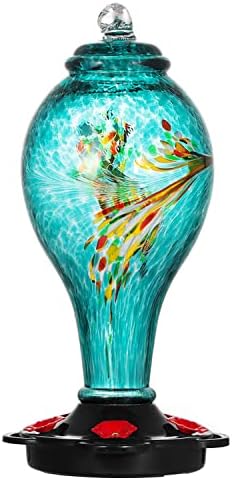
Best Bird Feeder for Hummingbirds: A Buying Guide for 2026

Best Garden Kneeler for Bad Knees in 2026: A Buying Guide

Best Brome Bird Feeders of 2026: Which Model Should You Buy?

Best Gardening Gloves for Roses in 2026: Thorn Protection That Still Lets You Work








