
Best Gazebo Buying Guide for 2026: How to Match One to Your Yard
A gazebo earns its place in a garden when it shades real work and real rest: a potting bench that stays usable at noon, tomato plants that need a break from harsh afternoon sun, or a table where the harvest actually gets eaten. Choosing the best gazebo is less about looks and more about fit, because a structure that is too big crowds out beds and paths, while one that is too small leaves chairs half in the sun by mid afternoon.
This guide walks through footprint, roof style, frame material, anchoring and upkeep, so you can match a structure to your yard instead of guessing from photos. The product table collects the key specs side by side, and the sections after it explain what those numbers mean for gardeners who plant, prune and host outdoors all season.
Compare Products

- BCGarden Score9.2
BCGarden scores from 0 to 10 are automatically scored by our AI consumer report tool based upon the data collected. This score has no relationship or impact from any manufacturer or sales agent websites. Learn more
- BrandBackyard Discovery

- BCGarden Score9.4
BCGarden scores from 0 to 10 are automatically scored by our AI consumer report tool based upon the data collected. This score has no relationship or impact from any manufacturer or sales agent websites. Learn more
- BrandModern Shade Outdoor Living Spaces

- BCGarden Score9.2
BCGarden scores from 0 to 10 are automatically scored by our AI consumer report tool based upon the data collected. This score has no relationship or impact from any manufacturer or sales agent websites. Learn more
- BrandCROWN SHADES

- BCGarden Score8.8
BCGarden scores from 0 to 10 are automatically scored by our AI consumer report tool based upon the data collected. This score has no relationship or impact from any manufacturer or sales agent websites. Learn more
- BrandAoxun

- BCGarden Score8.4
BCGarden scores from 0 to 10 are automatically scored by our AI consumer report tool based upon the data collected. This score has no relationship or impact from any manufacturer or sales agent websites. Learn more
- BrandEROMMY

- BCGarden Score8.0
BCGarden scores from 0 to 10 are automatically scored by our AI consumer report tool based upon the data collected. This score has no relationship or impact from any manufacturer or sales agent websites. Learn more
- BrandYOLENY
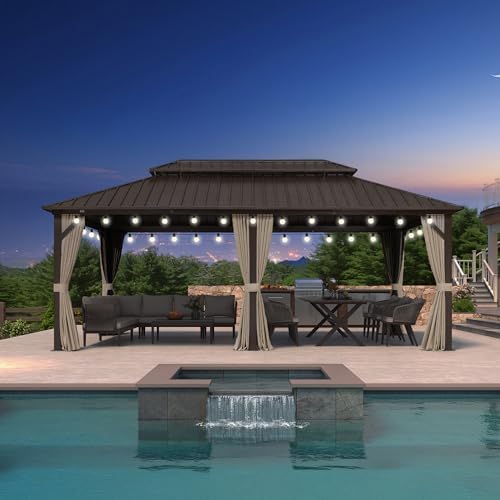
- BCGarden Score9.0
BCGarden scores from 0 to 10 are automatically scored by our AI consumer report tool based upon the data collected. This score has no relationship or impact from any manufacturer or sales agent websites. Learn more
- BrandPURPLE LEAF

UDPATIO 10'x10' Hardtop Gazebo, Outdoor Gazebo Weather-Resistant, Grey | Weatherproof,
- BCGarden Score8.6
BCGarden scores from 0 to 10 are automatically scored by our AI consumer report tool based upon the data collected. This score has no relationship or impact from any manufacturer or sales agent websites. Learn more
- BrandUDPATIO

- BCGarden Score8.2
BCGarden scores from 0 to 10 are automatically scored by our AI consumer report tool based upon the data collected. This score has no relationship or impact from any manufacturer or sales agent websites. Learn more
- BrandVEVOR

- BCGarden Score9.8
BCGarden scores from 0 to 10 are automatically scored by our AI consumer report tool based upon the data collected. This score has no relationship or impact from any manufacturer or sales agent websites. Learn more
- BrandOasisphere
Last update on 2026-11-27 / Affiliate links / Images, Product Titles, and Product Highlights from Amazon Product Advertising API
Gardeners Who Host Meals and Gatherings Outdoors
If your yard doubles as a dining room from May through September, start with a 10 by 12 foot or 12 by 12 foot footprint and a hardtop roof that shrugs off rain without a scramble. You need room for a table, six chairs and walking space around them, plus clearance so guests are not brushing against rose canes or herb beds every time they stand up. A permanent frame suits you because the structure stays up through the whole entertaining season.
Growers Who Need a Shaded Work and Potting Spot
A smaller soft top or pop up model often serves a working gardener better than a showpiece structure. Placed beside raised beds, a 10 by 10 foot canopy shades seed starting, transplanting and tool storage during the hottest part of the day, and it can come down when a storm threatens. Gardeners comparing placements often start with a best gazebo for backyard layout, since the back of the lot usually offers the level ground and afternoon shade this setup needs.
Homeowners Who Want a Permanent Focal Structure
If the gazebo is the anchor of your landscape design, a wood or heavy aluminum hardtop in the 12 by 14 foot range gives you a structure that reads as architecture, not equipment. Plan for a prepared base, a full weekend of assembly with a helper, and enough surrounding planting space that shrubs can soften the posts without swallowing the entrance. This group should budget for the foundation and anchoring hardware as part of the purchase, not as an afterthought.
Footprint and Interior Clearance
Listed sizes describe the roof edge or the post spacing depending on the maker, and the two numbers can differ by a foot or more, so check the post to post measurement before you buy. A dining set for six needs about 10 by 12 feet of true interior space, while two lounge chairs and a side table fit comfortably in 10 by 10 feet. Measure your intended spot with a tape and mark the corners with stakes and string for a few days. You will quickly see whether the posts land on paths, irrigation lines or the drip line of a tree you want to keep.
Roof Style: Hardtop, Soft Top and Pop Up
A hardtop roof in steel, aluminum or polycarbonate stays up all year, sheds rain quietly and handles snow far better than fabric, which matters in northern gardens. A soft top canopy costs less and can be removed for winter, but the fabric fades and tears after a few seasons of sun. Pop up frames trade permanence for flexibility and suit renters or event use. Gardeners with a paved seating area often pair the roof choice with a best gazebo for patio layout, because hard surfaces change both anchoring options and heat reflection under the roof.
Frame Material and Weather Resistance
Powder coated aluminum frames resist rust and stay light enough for two people to move during assembly, which is why they dominate the mid price range. Steel frames feel sturdier and cost less per foot, but any scratch in the finish becomes a rust spot in a wet climate, so touch up paint matters. Wood frames, usually cedar, blend into planted gardens and can be repaired board by board, though they need sealing every year or two. Whatever you choose, look for a stated wind rating and rust protection on fasteners, since bolts and screws fail before beams do.
Anchoring and Wind Safety
A gazebo is a sail in a storm, and anchoring is the feature that decides whether it stays in your yard or lands in a neighbor's. On soil or lawn, use ground stakes or auger anchors at every post; on a deck or slab, bolt the posts through to the framing or concrete with proper hardware. If your seating area sits on a raised platform, the guidance in our best gazebo for deck article covers load and railing clearance in more detail. Fabric roofs should come down ahead of forecast storms, and hardtop roofs in snow country need a stated snow load rating plus a plan for brushing off heavy accumulation.
Screens, Curtains and Ventilation
A two tier roof vents hot air and reduces lift in wind, and it is worth having in humid southern gardens where still air under a roof feels stifling by July. Mosquito netting turns an evening meal from a swatting session into a relaxed one, and privacy curtains help on small lots where houses sit close together. Check whether screens and curtains are included or sold separately, because the add on cost can close the gap between a budget frame and a mid range one. Zippers and ties wear out before fabric does, so spare parts availability is a fair question to ask before ordering.
Assembly Effort and Help Needed
Hardtop gazebos ship as hundreds of parts and realistically take two adults most of a weekend, with a ladder, a drill and patience for sorting hardware. Pop up frames open in under an hour but are not built for permanent installation. Read the stated assembly time with skepticism, and download the manual before buying to see whether the steps match your skills and tools. Gardeners who mainly want shade over a grill station sometimes find a smaller dedicated structure, like the ones in our best grill gazebo guide, simpler to place and assemble than a full size model.
Walk the yard at the hour you plan to use the gazebo most, and note where the sun actually falls. A structure placed for noon shade may sit in full glare by dinner, because the sun angle changes across the afternoon. Keep posts clear of underground utilities, septic lines and sprinkler heads, and call your local utility marking service before digging anchor holes. Leave at least two feet between the roof edge and overhanging branches, since falling limbs and dripping sap are hard on every roof type. Finally, check local rules: many towns require a permit or a setback from property lines for permanent structures over a certain size, and homeowner associations often have their own limits.
Under about $300, expect pop up and light soft top frames sized 10 by 10 feet, suited to seasonal or occasional use rather than permanent installation. Between about $300 and $900, you will find sturdier steel and aluminum frames with fabric or polycarbonate roofs, better fasteners and included netting. From about $900 to $2,500 and up, hardtop roofs in metal or wood, larger footprints and stronger wind and snow ratings become standard. Spending more mainly buys roof permanence and frame strength, not extra floor space, so put your money into the roof first if the structure will stay up through winter.
- Trusting the headline size instead of the post to post measurement, which leaves furniture sticking out past the roof edge in the rain.
- Skipping anchors on a calm day install, so the first summer storm folds the frame or carries it across the yard.
- Placing the gazebo under a tree for extra shade, then dealing with sap, falling branches and constant leaf litter on the roof.
- Leaving a fabric canopy up through winter snow, which stretches and tears the material in a single heavy storm.
- Forgetting to check permit and setback rules, which can force an expensive relocation after the structure is already built.
- Buying curtains and netting later without checking the model, because accessory rails differ and generic sets rarely fit well.
Wash fabric canopies with mild soap and water at the start and end of the season, let them dry fully before storage, and keep them in a dry shed or garage so mildew cannot set in over winter. Hardtop roofs need a seasonal rinse, a check for leaves pooling in the roof valleys, and a quick inspection of bolts each spring, since freeze and thaw cycles loosen hardware over time. Tighten fasteners, touch up chipped paint on steel with rust resistant paint, and reseal wood frames on the schedule the maker suggests. Before the first snow, confirm your roof is rated for the load or plan to brush it off after storms, and store cushions and curtains indoors so the whole setup is ready when the garden wakes up again.
Is a gazebo worth it for a home garden?
For most gardeners who spend real time outdoors, yes, because it turns a sunny patch of yard into usable space for meals, potting and rest during the hottest hours. The value depends on how often you will use it and whether the roof type matches your climate. A hardtop that stays up all year earns its cost faster than a fabric roof that spends half the year in storage.
How do you clean a gazebo?
Start by brushing off leaves and pollen, then wash fabric or roof panels with a soft brush, mild soap and a garden hose on a gentle setting. Avoid pressure washing fabric and polycarbonate, since both can be damaged by a concentrated jet. Clean gutters and roof valleys where debris collects, and let everything dry completely before closing curtains or storing fabric parts.
How long does a gazebo last?
A powder coated aluminum or steel hardtop frame commonly lasts ten years or more with basic upkeep, while fabric canopies usually need replacing after two to four seasons of sun exposure. Wood frames can last longest of all when they are resealed on schedule. The parts that fail first are usually zippers, fasteners and canopy fabric, so models with available replacement parts age more gracefully.
What size gazebo do I need for a six person dining set?
Plan on a true interior of about 10 by 12 feet as a minimum, which leaves room to push chairs back and walk around the table. If your dining set is bulky or you want a serving bench inside as well, step up to 12 by 12 or 12 by 14 feet. Always confirm the post to post measurement rather than the roof edge size, because overhang can make a listed size misleading.
Can a gazebo stay up all winter?
A hardtop gazebo with a snow load rating for your area can stay up all winter, provided you brush off heavy snow and keep anchors tight. Soft top and pop up models should come down before the first snow, since even a few inches of wet snow can bend light frames. In windy regions, removing fabric parts for winter also reduces the sail effect during storms.
The right structure is the one that fits your ground, your weather and the way you actually garden, which is why the best gazebo for a potting gardener looks different from the one a weekend host needs. Measure the post spacing, choose the roof for your winters, anchor every leg, and the structure will serve for years. Use the product table above to compare footprints, roof types and frame materials side by side before you order.


Best Chairs for Patio: A First Time Buyer's Guide for 2026

Best Fire Pit for Deck: How to Choose Safely in 2026
Best 10x12 Gazebo: How to Choose the Right Style for 2026

Best Backyard Gazebos: What to Check Before You Buy

Best Deck Solar Lights for 2026: Steps, Rails and Posts

Best Gazebo With Netting for 2026: How to Judge Mesh, Fit and Zippers

Best Dimmable Outdoor String Lights: A Buying Guide for 2026
Best Fire Pit for Covered Patio in 2026: How to Add Fire Under a Roof Safely








