Best Indoor Growing Systems for Vegetables: What to Look For
Growing your own vegetables no longer requires a backyard or even a sunny window. Countertop and freestanding units have made it possible to grow real produce indoors year round, but not every system is built the same way, and picking the wrong one often means disappointing results. Choosing among the best indoor growing systems for vegetables comes down to understanding the growing method, the right size for what you want to grow, and which features actually matter. This guide walks through all three so you can buy with realistic expectations.
Compare Products

Growell Large Hydroponics Growing System Kit, 90 Pods Vertical Hydroponic
- BCGarden Score8.2
BCGarden scores from 0 to 10 are automatically scored by our AI consumer report tool based upon the data collected. This score has no relationship or impact from any manufacturer or sales agent websites. Learn more
- BrandN/A

Ahopegarden Indoor Garden Hydroponics Growing System Kit: 60 Pods Indoor
- BCGarden Score9.0
BCGarden scores from 0 to 10 are automatically scored by our AI consumer report tool based upon the data collected. This score has no relationship or impact from any manufacturer or sales agent websites. Learn more
- BrandAhopegarden
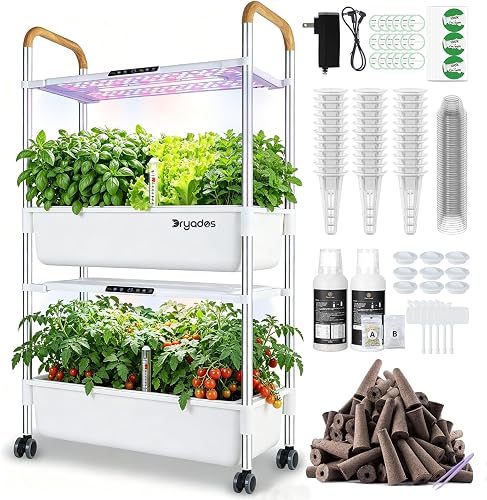
Indoor Hydroponic Growing System with 54 Pods Herbs Garden Kit
- BCGarden Score8.4
BCGarden scores from 0 to 10 are automatically scored by our AI consumer report tool based upon the data collected. This score has no relationship or impact from any manufacturer or sales agent websites. Learn more
- BrandN/A

- BCGarden Score8.2
BCGarden scores from 0 to 10 are automatically scored by our AI consumer report tool based upon the data collected. This score has no relationship or impact from any manufacturer or sales agent websites. Learn more
- BrandN/A

- BCGarden Score8.0
BCGarden scores from 0 to 10 are automatically scored by our AI consumer report tool based upon the data collected. This score has no relationship or impact from any manufacturer or sales agent websites. Learn more
- BrandJPWDDWYT

LetPot LPH-SE Hydroponics Growing System, 12 Pods Smart Herb Garden
- BCGarden Score8.8
BCGarden scores from 0 to 10 are automatically scored by our AI consumer report tool based upon the data collected. This score has no relationship or impact from any manufacturer or sales agent websites. Learn more
- BrandLETPOT

LetPot LPH-Air Hydroponics Growing System Kits, APP & WiFi Controlled
- BCGarden Score9.0
BCGarden scores from 0 to 10 are automatically scored by our AI consumer report tool based upon the data collected. This score has no relationship or impact from any manufacturer or sales agent websites. Learn more
- BrandLETPOT

Ahopegarden Hydroponics Growing System: 12 Pods Indoor Herb Garden with
- BCGarden Score9.0
BCGarden scores from 0 to 10 are automatically scored by our AI consumer report tool based upon the data collected. This score has no relationship or impact from any manufacturer or sales agent websites. Learn more
- BrandAhopegarden
Last update on 2026-10-15 / Affiliate links / Images, Product Titles, and Product Highlights from Amazon Product Advertising API
These three stand out in the product table above for different budgets and needs.
Best overall: the Growell Large Hydroponics Growing System Kit, around $510, is our first choice from the table.
Best value: the LetPot LPH-Air Hydroponics Growing System Kits, around $70, is the lowest priced of these three.
Also great: the Ahopegarden Indoor Garden Hydroponics Growing System Kit, around $310, is another strong option with a different set of features.
Indoor growing systems generally fall into three categories, and the method matters more than almost any other spec. Soil based systems work the most like traditional gardening, using potting mix in place of a garden bed, and they tend to be the most forgiving for beginners since the medium buffers small watering mistakes. Hydroponic systems suspend roots directly in a nutrient rich water solution, which speeds up growth and lets you pack more plants into a smaller footprint, but it also means the roots have no buffer if the pump or nutrient balance goes wrong. Aeroponic systems take this further by misting roots with nutrient solution instead of submerging them, delivering more oxygen to the root zone and often producing faster growth than standard hydroponics, though the added complexity usually comes with a higher price tag.
System size is typically measured in the number of growing pods or plant sites, and the right number depends heavily on what you plan to grow. A small system with 9 to 12 pods works well for herbs and leafy greens like lettuce or basil, which stay compact and mature quickly. If you actually want meaningful vegetable production, look toward systems with 24 to 36 pods or more, often arranged across multiple tiers.
Light clearance is the detail most people miss. Leafy greens and herbs only need a few inches between the light and the plant canopy, but fruiting vegetables like tomatoes and peppers grow tall and need real headroom, often 24 to 36 inches between the pod tray and the light fixture. A system that looks spacious in photos can still be too short for anything beyond greens, so check the actual clearance specs before assuming a system can handle fruiting plants.
A handful of features consistently make a real difference in day to day use rather than just adding to the price tag. Timed LED lighting removes the guesswork of manually turning lights on and off, and keeps plants on a consistent schedule that supports steady growth. Self watering reservoirs reduce the risk of both underwatering and overwatering, which is one of the most common ways new indoor gardeners lose plants. App connected controls let you monitor and adjust settings remotely, which is genuinely useful if you travel or simply forget to check on the system daily. None of these features are strictly necessary, but each one removes a common point of failure for a first time indoor grower.
Marketing photos tend to show mature, overflowing systems, but the reality takes longer to arrive. Most small indoor vegetable systems need several weeks before producing enough greens for even a single salad, and larger harvests of fruiting vegetables can take a couple of months from seed to first harvest. If your goal is genuinely supplementing meals rather than a hobby project, plan for a larger or expandable system from the start, since scaling up later usually costs more than buying the right size the first time. Buyers who outgrow a countertop unit often move up to a full enclosed tent setup instead, which offers more control over light and climate at the cost of a bigger footprint.
Is hydroponic or soil better for growing vegetables indoors?
Soil is more forgiving for beginners and requires less monitoring. Hydroponic systems grow faster and use less water, but mistakes with the pump or nutrient balance affect plants more directly since there is no soil buffer.
How many pods do I need to grow real vegetables, not just herbs?
Look for at least 24 to 36 pods across multiple tiers if you want meaningful vegetable production. Smaller 9 to 12 pod systems are better suited to herbs and leafy greens.
Can indoor growing systems grow tomatoes or just leafy greens?
Many systems can grow both, but fruiting vegetables like tomatoes need significantly more light clearance, often 24 to 36 inches, than leafy greens do. Check clearance specs before assuming a system can handle fruiting plants.
How long until an indoor growing system produces a harvest?
Leafy greens can be ready in a few weeks. Fruiting vegetables typically take a couple of months from seed to first harvest, so plan accordingly if you want a specific timeline.
Do indoor growing systems need a lot of electricity?
Hydroponic and aeroponic systems depend on pumps, lights, and timers running continuously, so a power outage can disrupt the system and stress plants faster than a soil based setup would.
Do I need to water an indoor growing system manually?
Not with a self watering reservoir, which is one of the most useful features for avoiding the underwatering and overwatering mistakes that are common with manual systems.
The right pick among the best indoor growing systems for vegetables depends on how much space you have, what you actually want to grow, and how practical you want to be. Match the growing method and size to your real goals rather than the most impressive looking system, and set your expectations for timeline accordingly.


Best Lightweight Hedge Trimmer: What "Light" Actually Means in Pounds

Best Carburetor Cleaner for Lawn Mowers of 2026: Complete Buying Guide

Best Straight Shaft String Trimmer: What to Know Before You Buy

Best Portable Generators: A First Time Buyer's Guide for 2026

Best Small Hedge Trimmer: What "Small" Actually Gets You
Best Electric Lawn Edger: What to Know Before You Buy

Best Electric Leaf Blower: What to Know Before You Buy
Best Handheld Hedge Trimmer: When You Don't Need a Pole