Best Grow Lights for Indoor Plants: A Houseplant Guide
Your plant sits in what looks like a sunny spot, and it's still stretching toward the glass with smaller, paler leaves. That's usually a light problem, not a watering one. Finding the best grow lights for indoor plants is simpler than it looks once you set aside the jargon aimed at growers with tents and timers, since a houseplant living in your home has different needs. Here's what actually matters.
Compare Products

Barrina Plant Grow Lights, 4FT 5000K Full Spectrum Daylight White,
- BCGarden Score9.4
BCGarden scores from 0 to 10 are automatically scored by our AI consumer report tool based upon the data collected. This score has no relationship or impact from any manufacturer or sales agent websites. Learn more
- BrandBarrina

- BCGarden Score9.2
BCGarden scores from 0 to 10 are automatically scored by our AI consumer report tool based upon the data collected. This score has no relationship or impact from any manufacturer or sales agent websites. Learn more
- BrandLYCBY2

- BCGarden Score9.6
BCGarden scores from 0 to 10 are automatically scored by our AI consumer report tool based upon the data collected. This score has no relationship or impact from any manufacturer or sales agent websites. Learn more
- BrandGLOWRIUM
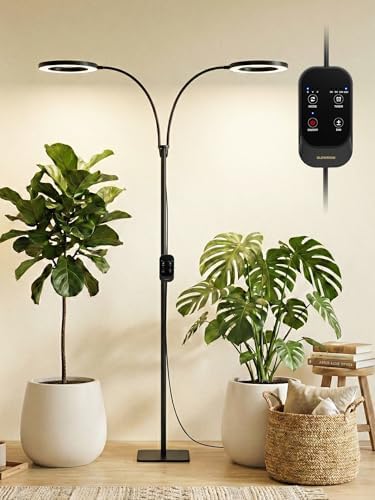
GLOWRIUM Tall Plant Grow Light for Indoor Plants, Full Spectrum
- BCGarden Score9.6
BCGarden scores from 0 to 10 are automatically scored by our AI consumer report tool based upon the data collected. This score has no relationship or impact from any manufacturer or sales agent websites. Learn more
- BrandGLOWRIUM

- BCGarden Score9.2
BCGarden scores from 0 to 10 are automatically scored by our AI consumer report tool based upon the data collected. This score has no relationship or impact from any manufacturer or sales agent websites. Learn more
- BrandSpider Farmer

- BCGarden Score9.2
BCGarden scores from 0 to 10 are automatically scored by our AI consumer report tool based upon the data collected. This score has no relationship or impact from any manufacturer or sales agent websites. Learn more
- BrandYehsence

- BCGarden Score8.6
BCGarden scores from 0 to 10 are automatically scored by our AI consumer report tool based upon the data collected. This score has no relationship or impact from any manufacturer or sales agent websites. Learn more
- BrandLBW

- BCGarden Score9.8
BCGarden scores from 0 to 10 are automatically scored by our AI consumer report tool based upon the data collected. This score has no relationship or impact from any manufacturer or sales agent websites. Learn more
- BrandN/A

- BCGarden Score9.4
BCGarden scores from 0 to 10 are automatically scored by our AI consumer report tool based upon the data collected. This score has no relationship or impact from any manufacturer or sales agent websites. Learn more
- BrandVIPARSPECTRA

- BCGarden Score9.0
BCGarden scores from 0 to 10 are automatically scored by our AI consumer report tool based upon the data collected. This score has no relationship or impact from any manufacturer or sales agent websites. Learn more
- BrandN/A

- BCGarden Score9.4
BCGarden scores from 0 to 10 are automatically scored by our AI consumer report tool based upon the data collected. This score has no relationship or impact from any manufacturer or sales agent websites. Learn more
- BrandSDOVUERC

- BCGarden Score9.2
BCGarden scores from 0 to 10 are automatically scored by our AI consumer report tool based upon the data collected. This score has no relationship or impact from any manufacturer or sales agent websites. Learn more
- BrandN/A
Last update on 2026-10-13 / Affiliate links / Images, Product Titles, and Product Highlights from Amazon Product Advertising API
Not every plant does. Low-light tolerant varieties can often get by near an east or north-facing window without supplemental light. The clearest signs a plant needs more light are leggy stems reaching toward the nearest window, new leaves noticeably smaller than older ones, and yellowing that starts on leaves farthest from the light source.
If you're already tracking soil moisture and ruling out watering as the issue, a grow light is usually the next thing worth trying before assuming the plant just isn't suited to your space.
LED grow lights run cooler, last far longer than older bulb types, and convert more of their electricity into light your plant can actually use. For houseplants specifically, look for a full-spectrum bulb that leans toward warm white with some red and blue mixed in, rather than a light tuned heavily toward flowering crops.
You don't need to chase precise light-intensity numbers the way someone growing vegetables would. Foliage houseplants are far more forgiving, so a quality full-spectrum LED marketed for houseplants or general indoor growing is enough, without needing to shop by technical specs made for a dedicated garden grow light setup.
As a general starting point, position the light 6 to 12 inches above the plant's canopy, adjusting closer if the plant still looks like it's stretching, and further back if leaf edges start looking bleached or crispy. Most foliage houseplants do well with 12 to 14 hours of light a day, longer than what they'd get from a window in fall or winter.
A cheap outlet timer removes the guesswork entirely, so the light runs on a consistent schedule instead of depending on you remembering to turn it on and off every day.
Older grow lights had a reputation for casting a harsh purple or pink glow, which is fine in a grow tent but not in a living room. Modern full-spectrum LEDs marketed for houseplants are designed to look like ordinary warm white light, so they blend into a room instead of standing out. If aesthetics matter to you, check that a light is specifically labeled full-spectrum or "houseplant" rather than a heavy-red flowering light, since those still lean visibly pink or magenta.
Do houseplants need a grow light?
Not always. Many low-light tolerant plants do fine near a window. Signs a plant would benefit from one include leggy growth, small new leaves, or yellowing on leaves farthest from the window.
What's the difference between a grow light and a regular LED bulb?
A grow light is tuned to emit the wavelengths plants use for photosynthesis more efficiently, while a standard LED bulb is optimized for how light looks to human eyes rather than how useful it is to a plant.
How close should a grow light be to a plant?
Around 6 to 12 inches above the canopy is a reasonable starting point. Move it closer if the plant still stretches toward it, or further away if leaves start looking bleached.
How many hours a day should a grow light run?
Most foliage houseplants do well with 12 to 14 hours a day. A simple outlet timer keeps the schedule consistent without you having to remember daily.
Will a grow light damage plant leaves?
Only if it's placed too close for too long, which can bleach or crisp the leaves nearest the light. Following the recommended distance for your specific light avoids this.
Do grow lights need to look purple or pink?
No. Older grow lights often did, but modern full-spectrum LEDs marketed for houseplants are designed to emit a more natural warm white light that fits into a living space.
Start by watching for the real signs a plant needs more light rather than assuming every houseplant needs a grow light on day one. When you do add one, a full-spectrum LED at the right distance and a consistent daily schedule covers what most houseplants actually need, no grow tent or specialized gardening gear required.


Best Small Hedge Trimmer: What "Small" Actually Gets You
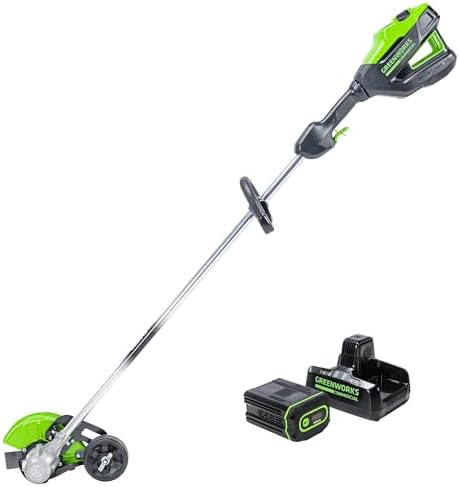
Best Electric Lawn Edger: What to Know Before You Buy

Best Electric Leaf Blower: What to Know Before You Buy

Best Raised Garden Beds for Vegetables and Flowers
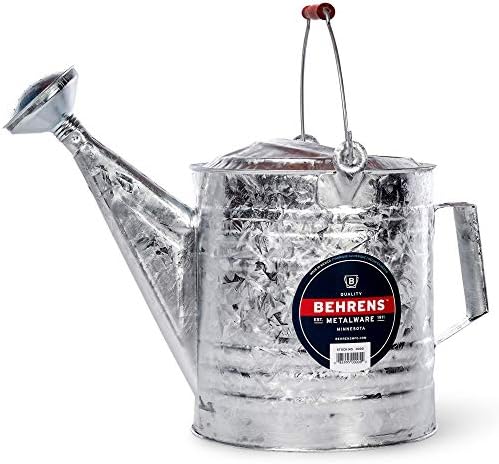
Best Watering Can

Best Pergolas
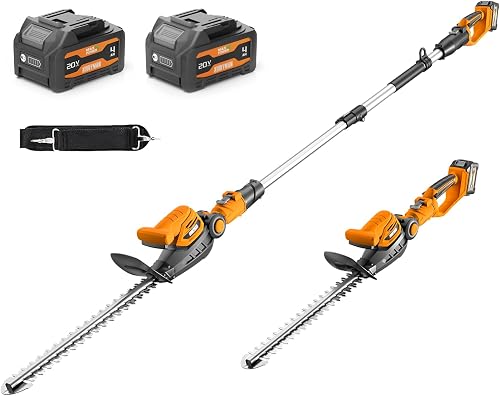
Best Handheld Hedge Trimmer: When You Don't Need a Pole

Best Manual Lawn Edger: Half-Moon vs Rotary Star Wheel Explained