Best Planters for Houseplants by Budget: Smart Picks for 2026
The right pot does more than decorate a room. It controls how fast soil dries, how much room roots have to grow and whether excess water drains away or sits at the bottom causing rot. Houseplant planters range from multi packs of plastic pots for a few dollars each to large fiberstone statement planters over $100, and it is not always obvious where extra money makes a difference.
This guide to the best planters for houseplants is organized by budget. It covers three picks at different price points, what each tier gets you, which features are worth paying for, long term costs and answers to common questions.
The product table above lists current options and prices.
Compare Products

- BCGarden Score9.2
BCGarden scores from 0 to 10 are automatically scored by our AI consumer report tool based upon the data collected. This score has no relationship or impact from any manufacturer or sales agent websites. Learn more
- BrandUtopia Home
- BCGarden Score9.4
BCGarden scores from 0 to 10 are automatically scored by our AI consumer report tool based upon the data collected. This score has no relationship or impact from any manufacturer or sales agent websites. Learn more
- BrandN/A

- BCGarden Score9.2
BCGarden scores from 0 to 10 are automatically scored by our AI consumer report tool based upon the data collected. This score has no relationship or impact from any manufacturer or sales agent websites. Learn more
- BrandN/A

- BCGarden Score9.4
BCGarden scores from 0 to 10 are automatically scored by our AI consumer report tool based upon the data collected. This score has no relationship or impact from any manufacturer or sales agent websites. Learn more
- BrandN/A

- BCGarden Score9.0
BCGarden scores from 0 to 10 are automatically scored by our AI consumer report tool based upon the data collected. This score has no relationship or impact from any manufacturer or sales agent websites. Learn more
- BrandN/A

- BCGarden Score8.8
BCGarden scores from 0 to 10 are automatically scored by our AI consumer report tool based upon the data collected. This score has no relationship or impact from any manufacturer or sales agent websites. Learn more
- BrandN/A
- BCGarden Score9.0
BCGarden scores from 0 to 10 are automatically scored by our AI consumer report tool based upon the data collected. This score has no relationship or impact from any manufacturer or sales agent websites. Learn more
- BrandN/A

- BCGarden Score8.6
BCGarden scores from 0 to 10 are automatically scored by our AI consumer report tool based upon the data collected. This score has no relationship or impact from any manufacturer or sales agent websites. Learn more
- BrandN/A

- BCGarden Score8.8
BCGarden scores from 0 to 10 are automatically scored by our AI consumer report tool based upon the data collected. This score has no relationship or impact from any manufacturer or sales agent websites. Learn more
- BrandN/A

- BCGarden Score9.2
BCGarden scores from 0 to 10 are automatically scored by our AI consumer report tool based upon the data collected. This score has no relationship or impact from any manufacturer or sales agent websites. Learn more
- BrandN/A
Last update on 2026-10-17 / Affiliate links / Images, Product Titles, and Product Highlights from Amazon Product Advertising API
For most houseplant owners, a pot with a drainage hole and saucer, sized 1 to 2 inches wider than the root ball, is the right choice. These three cover each price tier.
Best Budget Pick
The five pack multi size plant pots, around $16, suit new plant owners and anyone repotting several plants at once. The set includes sizes from about 4 inches up to an extra large 7 by 5.9 inch pot, made from reinforced polypropylene with drainage plugs, so you can choose drainage or leave them closed for faux plants. The limitation is a simple plastic look compared with ceramic.
Best Midrange Pick
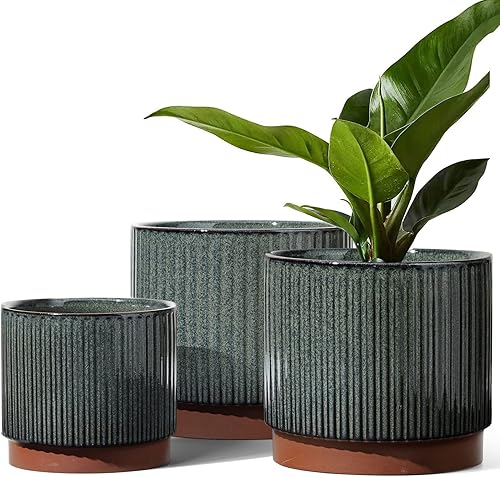
The LE TAUCI ceramic plant pots set of three, around $54, is for plant owners who want matching decorative pots. The striped glazed ceramic pots come in 8, 6.7 and 5.5 inch sizes, each with a drainage hole, suiting pothos, snake plants, peace lilies and other common houseplants. The limitation is weight and fragility compared with plastic.
Best Premium Pick
The 17 by 21 inch round fiberstone planter, around $150, is for large floor plants such as fiddle leaf figs, monsteras and indoor palms. Fiberstone looks like stone but is lightweight and UV resistant, and the pot has a drainage hole, so it also works on a patio. The limitation is its size; you will need a large saucer or plant caddy indoors.
Price mainly buys material, finish, size and extra features such as self watering reservoirs.
Budget Tier: What to Expect
Around $2 to $5 per pot in multi packs, you get plastic or thin resin pots with drainage holes or plugs and sometimes attached saucers. They are light, unbreakable and perfect for growing, propagation and repotting, though they look plain and hold moisture longer than clay.
Midrange Tier: The Sweet Spot for Most Buyers
Around $15 to $60 for a pot or small set, you get glazed ceramic, terracotta or stylish self watering pots in coordinated sizes. These balance looks and function and suit most tabletop and shelf plants.
Premium Tier: When Spending More Pays Off
Above about $80, you get large fiberstone, concrete or designer planters for floor plants, often 14 to 24 inches wide. Spending more pays off for large plants, where a stable, lightweight and durable pot protects an expensive plant and your floors.
Some features make a real difference, while others are mostly about looks.
Safety (Lead Free, BPA Free, Pet Safe)
Lead free glazes on ceramic pots are worth checking, especially for herbs grown indoors. Heavy, wide based pots are worth paying for if you have pets or children, since they resist tipping. Remember that many popular houseplants are toxic to pets, so placement matters more than the pot.
Ease of Use and Storage
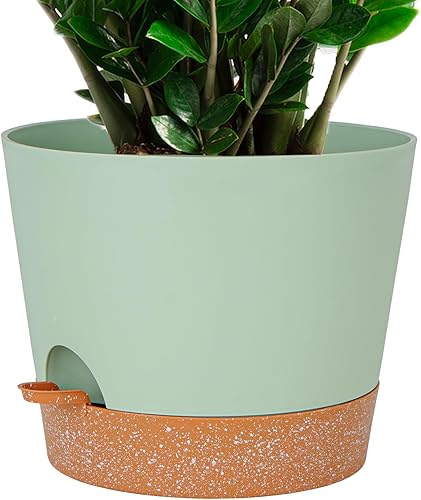
Removable saucers and drainage plugs are worth having, since they make watering in the sink easy. Self watering reservoirs suit busy owners and thirsty plants but can keep soil too wet for succulents and snake plants. Plant caddies with wheels are worth it for heavy floor planters.
Match the Product to Your Garden Size and Layout
Choose a pot 1 to 2 inches wider than the root ball for small plants and 2 to 4 inches wider for large floor plants. Oversized pots hold excess wet soil and cause rot. Measure shelves, windowsills and floor space before buying large planters.
Features That Matter for Houseplants
Drainage is the most important feature; pay for it every time. Breathable terracotta suits plants that like to dry out, while glazed ceramic and plastic suit moisture lovers like ferns and calatheas. Decorative cachepots without holes are fine if you keep the plant in a nursery pot inside.
Durability and Weather Resistance
Indoors, chip resistance and UV stable colors matter more than frost resistance. Fiberstone and quality plastic resist chips and fading, while thin ceramic can crack if dropped. Skip heavy concrete indoors unless the pot will never move.
Pots last for years, but plants grow. Expect to repot most houseplants every one to two years, moving up 1 to 2 inches in size, so a few spare pots in graduated sizes save money. Fresh potting mix costs about $8 to $20 per bag, saucers $3 to $10 each and plant caddies $15 to $40. Self watering pots may need replacement wicks. A sturdy midrange pot that lasts a decade costs less over time than replacing cracked cheap pots.
Snake plants, ZZ plants and succulents prefer terracotta or other breathable pots that dry quickly. Pothos, philodendrons and spider plants are happy in glazed ceramic or plastic with drainage. Ferns, calatheas and peace lilies like steady moisture and suit plastic or self watering pots. Large floor plants such as monsteras and fiddle leaf figs need wide, heavy or fiberstone planters that resist tipping as the plant grows tall. Orchids need specialist slotted pots; see our best planters for orchids.
Repot in spring or early summer, when plants are actively growing. Water the plant a day ahead, then tip it out of the old pot and loosen circling roots with your fingers. Add fresh potting mix to the new pot so the top of the root ball sits about an inch below the rim, set the plant in place and fill around it, pressing gently. Water thoroughly until it drains from the bottom, empty the saucer and keep the plant out of harsh sun for a week while it settles.
These are the questions plant owners ask most about planters.
What features matter most in planters for houseplants?
A drainage hole matters most, followed by the right size and a material that suits your plant's watering needs. Choose pots 1 to 2 inches wider than the root ball with saucers to protect furniture.
Do houseplant pots need drainage holes?
Yes, for most plants. Drainage holes let excess water escape so roots do not rot. If you love a pot without holes, use it as a decorative cover and keep the plant in a plastic nursery pot inside.
Is organic worth it?
Organic potting mixes work well for houseplants and avoid synthetic fertilizers, though they can attract fungus gnats if kept too wet. The pot itself matters more for plant health than organic certification of the soil.
What's the difference between garden soil and potting mix?
Garden soil is dense and compacts in containers, starving roots of air. Potting mix is a lighter blend of peat or coir, bark and perlite designed to drain well in pots. Always use potting mix for houseplants.
How much do I need for my garden?
Plan one pot per plant plus a few spares one size up for future repotting. A 6 inch pot needs about 1.5 quarts of potting mix, while a 12 inch pot needs about 8 quarts.
The three things that matter most are drainage, the right size and a material that suits each plant's watering needs. Beginners can start with affordable multi packs, most owners will be happy with midrange ceramic sets and large floor plants deserve a premium, stable planter. Use this guide to choose the best planters for houseplants, then check the product table above for current prices.


Best Planters for Tomatoes: A Container Size Guide

Best Compost Tumblers for Faster, Easier Backyard Composting

Best Compost for Planters: A Complete Buying Guide (2026)
Best Kitchen Compost Bins That Actually Control Odor

Best Hummingbird Feeders for a Steady Backyard Visit
Best Deck Planters: How to Protect Your Deck and Plants

Best Plant Fertilizer Spikes

Best Soil Testers for Knowing What Your Garden Actually Needs