
Best 1 Gallon Garden Sprayer in 2026: How to Choose the Right One
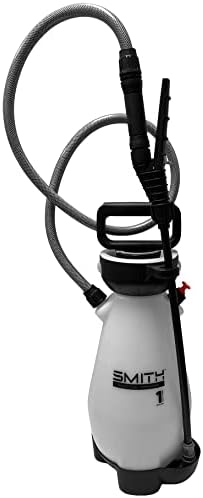
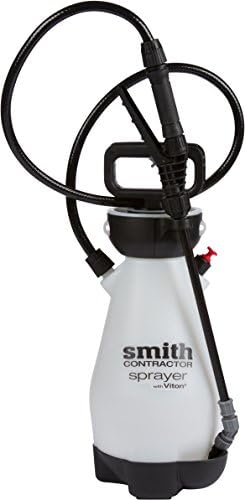
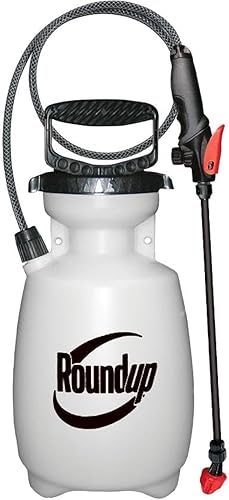
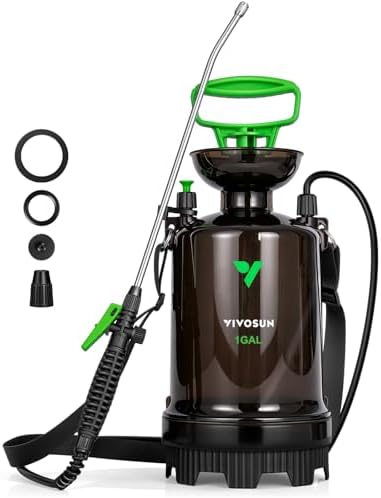
A one gallon tank sits in the sweet spot of garden spraying. It is light enough to carry around beds for half an hour, yet big enough to finish a row of shrubs or a small orchard corner without constant refills. The best 1 gallon garden sprayer for you depends on what you spray, how far you need to reach, and how the pump and seals handle your mixes, and the comparison table below sets the main designs side by side.
This guide covers the tank, pump, wand, and nozzle details that decide how a sprayer feels in real use, plus the mixing and safety habits that protect your plants, your family, and the sprayer itself. If you are still deciding between sizes and power types, our guide to the best garden sprayer gives the full category overview.
Compare Products

- BCGarden Score8.6
BCGarden scores from 0 to 10 are automatically scored by our AI consumer report tool based upon the data collected. This score has no relationship or impact from any manufacturer or sales agent websites. Learn more
- BrandN/A
- BCGarden Score8.6
BCGarden scores from 0 to 10 are automatically scored by our AI consumer report tool based upon the data collected. This score has no relationship or impact from any manufacturer or sales agent websites. Learn more
- BrandSmith Performance Sprayers
- BCGarden Score9.0
BCGarden scores from 0 to 10 are automatically scored by our AI consumer report tool based upon the data collected. This score has no relationship or impact from any manufacturer or sales agent websites. Learn more
- BrandSmith Performance Sprayers

- BCGarden Score9.0
BCGarden scores from 0 to 10 are automatically scored by our AI consumer report tool based upon the data collected. This score has no relationship or impact from any manufacturer or sales agent websites. Learn more
- BrandPetra
- BCGarden Score8.6
BCGarden scores from 0 to 10 are automatically scored by our AI consumer report tool based upon the data collected. This score has no relationship or impact from any manufacturer or sales agent websites. Learn more
- BrandN/A

- BCGarden Score9.0
BCGarden scores from 0 to 10 are automatically scored by our AI consumer report tool based upon the data collected. This score has no relationship or impact from any manufacturer or sales agent websites. Learn more
- BrandPetra

- BCGarden Score8.8
BCGarden scores from 0 to 10 are automatically scored by our AI consumer report tool based upon the data collected. This score has no relationship or impact from any manufacturer or sales agent websites. Learn more
- BrandCHAPIN

- BCGarden Score8.8
BCGarden scores from 0 to 10 are automatically scored by our AI consumer report tool based upon the data collected. This score has no relationship or impact from any manufacturer or sales agent websites. Learn more
- BrandCHAPIN

- BCGarden Score8.6
BCGarden scores from 0 to 10 are automatically scored by our AI consumer report tool based upon the data collected. This score has no relationship or impact from any manufacturer or sales agent websites. Learn more
- BrandFlo-Master by Hudson
- BCGarden Score9.4
BCGarden scores from 0 to 10 are automatically scored by our AI consumer report tool based upon the data collected. This score has no relationship or impact from any manufacturer or sales agent websites. Learn more
- BrandVIVOSUN
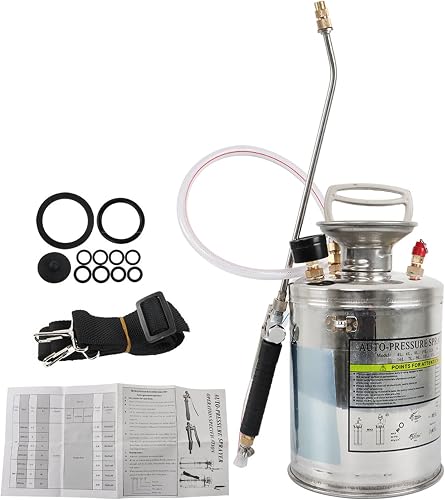
- BCGarden Score8.2
BCGarden scores from 0 to 10 are automatically scored by our AI consumer report tool based upon the data collected. This score has no relationship or impact from any manufacturer or sales agent websites. Learn more
- BrandN/A

- BCGarden Score8.2
BCGarden scores from 0 to 10 are automatically scored by our AI consumer report tool based upon the data collected. This score has no relationship or impact from any manufacturer or sales agent websites. Learn more
- BrandN/A
Last update on 2026-11-28 / Affiliate links / Images, Product Titles, and Product Highlights from Amazon Product Advertising API
Gardeners Spot Treating Weeds and Small Beds
If most of your spraying is a few weeds in paths and edges, a basic pump model with an adjustable nozzle is plenty. You need a sprayer that pressurizes fast, holds pressure between passes, and rinses clean in minutes. A light tank and a simple trigger matter more to you than long hoses or high pressure.
Growers Feeding and Protecting Shrubs and Young Fruit Trees
Spraying foliage means covering leaf tops and undersides evenly across many plants in one session. You want a longer wand, a fan nozzle for even coverage, and a translucent tank with clear measurement marks so foliar feeds and fungicides mix at the right strength. A comfortable shoulder strap pays off here, because a full gallon weighs about nine pounds before you add the sprayer itself.
Homeowners Mixing Small Batches of Stronger Products
If you mix herbicides or insecticides, even in small batches, seal quality and chemical resistance move to the top of your list. Look for seals rated for harsher products and a pressure relief valve that vents safely. Many careful gardeners keep one clearly labeled sprayer only for weed killer, so residues never reach vegetables or flowers.
Tank Design and Fill Opening
A wide fill opening lets you pour from a bucket without spills and makes cleaning far easier than a narrow neck. Translucent walls with molded measurement marks help you mix concentrates accurately, which protects plants from over strong solutions. The tank should sit flat and stable on the ground while you pump. Thick plastic that resists sunlight damage matters if the sprayer lives in a bright shed, because ultraviolet light makes cheap tanks brittle over a few seasons.
Pump Type and Working Pressure
Most one gallon sprayers use a hand pump on top of the tank, and a good one builds working pressure in a modest number of strokes. Our guide to the best pump garden sprayer explains how pump design affects pressure and effort. Higher pressure gives finer droplets and longer reach, but for close work on beds you will often throttle back at the nozzle. A pump handle that locks down as a carrying handle is a small detail you will appreciate on every trip across the yard.
Wand Length and Hose Reach
Wand length decides how close your hand stays to treated foliage and whether you can reach under shrubs without kneeling in wet soil. A wand of about 20 to 28 inches suits most bed work, and a hose long enough to set the tank down while you spray a wide bed saves your arm. Curved wand tips help angle spray under leaves, where many pests hide. Check that the wand stores in a clip, because loose wands get stepped on and cracked.
Nozzle Options
Nozzles shape the spray, and one adjustable cone nozzle covers many jobs, from a jet for fence lines to a soft cone for foliage. Fan tips lay down even bands for lawns and rows, while foaming tips suit some cleaning style products. Brass nozzles resist wear and clogging better than thin plastic ones, and they clean up easily with an old toothbrush. A sprayer that includes two or three tips in the box saves a second purchase in your first season.
Seals and Chemical Resistance
Seals are the rubber rings that keep pressure in and liquid off your hands. Standard seals handle water based feeds and mild products well, but strong solvents and some herbicides swell or crack them. If you plan to spray anything harsher than soap and fertilizer, look for chemical resistant seals and say so in your buying notes. A pressure relief valve is equally important, since it lets you vent the tank before opening it instead of spraying mist into your face.
Strap, Handle, and Overall Weight
You carry this tool more than you spray with it, so balance matters. A padded shoulder strap spreads the nine or so pounds of a full tank, and a handle molded into the tank top helps when you lift it onto a bench for filling. Gardeners with smaller hands should check the trigger size, because a stiff trigger tires your grip during long sessions. Our guide to the best handheld garden sprayer covers the lighter end of the range if a full gallon sounds like too much to carry.
Always read the product label before you mix, and treat the label as the rule book for dose, protective gear, and where the product may be used. Mix outdoors on a stable surface, add water first and concentrate second, and wear gloves and eye protection even for mild products. Keep children and pets away from mixing areas and off treated plants until sprays have dried, exactly as the label directs. Spray in calm weather so droplets land on target plants rather than drifting onto vegetables or blooms, and never leave mixed product sitting in the tank between days.
- Mixing a full gallon when the job needs a quart, then storing leftover mix that loses strength and creates a disposal problem.
- Using one sprayer for both weed killer and plant treatments, so herbicide residue damages the plants you meant to feed.
- Pumping past the relief point again and again, which strains seals and shortens the life of the pump.
- Spraying in midday heat and wind, so droplets drift and evaporate before they coat the leaves.
- Putting the sprayer away dirty, which lets dried residue clog the nozzle and crack the seals.
Rinse the tank, hose, and wand with clean water after every session, and spray a little clean water through the nozzle to clear the lines. For herbicides, follow the label rinse steps, which often mean a triple rinse before any other product goes in the tank. Release pressure before storage, and store the sprayer indoors out of freezing temperatures, because ice in the pump can split housings. A drop of silicone safe lubricant on the pump cup each season keeps strokes smooth. If you hate pumping altogether, our guide to the best battery powered garden sprayer shows what motorized pressure costs and saves.
How much area does a 1 gallon garden sprayer cover?
Coverage depends on your nozzle and walking pace, but a gallon of foliar spray typically treats about 500 to 1,000 square feet of beds or a dozen medium shrubs. Coarse weed sprays stretch further because you wet less leaf surface. Mix a measured test batch first and note how far it goes in your garden, then scale future mixes to match so you stop throwing away leftover solution.
Can a 1 gallon sprayer reach the top of a small fruit tree?
Most pump models throw a stream about 10 to 15 feet in calm air, which covers dwarf and young trees but not the top of a mature standard tree. A jet nozzle setting reaches highest, though it coats leaves less evenly than a cone. For tall trees, a longer wand or a ladder free pole setup works better than over pumping a small tank sprayer.
Is a 1 gallon sprayer big enough for a vegetable garden?
For a few raised beds, yes, one fill usually covers a full round of feeding or pest treatment. Large in ground gardens with long rows may need two fills, which many gardeners accept in exchange for the lighter carry weight. If your beds total more than about 1,500 square feet, consider whether a two gallon tank would save enough trips to justify the extra weight.
What should I do with leftover spray mix?
The safest answer is to mix only what you need, because labels rarely allow storage of diluted product. If a little remains, spray it on the same labeled target area rather than pouring it down a drain or onto bare soil. Never pour concentrates or mixes near wells, drains, or waterways. Your local extension office can direct you to household hazardous waste collection for old concentrates you no longer use.
Why does my sprayer lose pressure so quickly?
Fast pressure loss usually means a worn pump cup, a loose cap gasket, or grit in the nozzle valve. Rinse the system, check that the cap seal sits flat, and clean the nozzle tip with a soft brush. If pressure still fades, replacement seal kits are inexpensive and fit most major designs. A sprayer that drips at the wand joint often just needs that one small ring replaced.
Choose your sprayer by the work you do most: light spot spraying, careful foliage coverage, or stronger mixes that demand better seals. A wide mouth tank, an honest pump, and nozzles that match your plants will serve you for years with simple rinsing care. Compare the designs in the product table above, follow label directions every time, and the best 1 gallon garden sprayer for your garden will be the one that feels easy to carry, easy to clean, and safe to use.


Best Bird Feeder for Winter in 2026: A Buying Guide

Best Fabric Raised Garden Bed for 2026: Sizes, Fabric and Soil Tips

Best Full Spectrum Grow Lights for 2026: What the Specs Really Mean

Best Bird Feeder for Finches in 2026: Small Ports, Fresh Seed, More Birds

Best Bird Feeder With Camera in 2026: A Gardener's Buying Guide

Best Gardening Gloves for Cactus in 2026: Keep Spines Out of Your Skin
Best Gardening Gloves of 2026: A Practical Buying Guide
Best Bird Feeder for Hummingbirds: A Buying Guide for 2026








