
Best Bird Feeder for Winter in 2026: A Buying Guide
Winter is when feeding matters most and when weak feeders fail hardest. Ice seals cheap lids shut, snow buries seed ports, and wet seed molds in trays just as birds need the most calories to survive cold nights. The best bird feeder for winter keeps seed dry and flowing in bad weather, holds enough that you are not refilling in a storm, and stands up to wind, squirrels, and freeze thaw cycles. This guide compares feeder types and features through a winter lens.
The comparison table below shows the main feeder styles. The sections after it explain which styles suit your yard and climate, and how placement and hygiene decide whether your feeding helps birds or harms them.
Compare Products

- BCGarden Score9.4
BCGarden scores from 0 to 10 are automatically scored by our AI consumer report tool based upon the data collected. This score has no relationship or impact from any manufacturer or sales agent websites. Learn more
- BrandN/A

- BCGarden Score9.0
BCGarden scores from 0 to 10 are automatically scored by our AI consumer report tool based upon the data collected. This score has no relationship or impact from any manufacturer or sales agent websites. Learn more
- BrandWildpark

- BCGarden Score9.0
BCGarden scores from 0 to 10 are automatically scored by our AI consumer report tool based upon the data collected. This score has no relationship or impact from any manufacturer or sales agent websites. Learn more
- BrandHouseSapp

- BCGarden Score9.0
BCGarden scores from 0 to 10 are automatically scored by our AI consumer report tool based upon the data collected. This score has no relationship or impact from any manufacturer or sales agent websites. Learn more
- BrandN/A

- BCGarden Score8.0
BCGarden scores from 0 to 10 are automatically scored by our AI consumer report tool based upon the data collected. This score has no relationship or impact from any manufacturer or sales agent websites. Learn more
- BrandPerky-Pet

- BCGarden Score8.0
BCGarden scores from 0 to 10 are automatically scored by our AI consumer report tool based upon the data collected. This score has no relationship or impact from any manufacturer or sales agent websites. Learn more
- BrandPerky-Pet

- BCGarden Score9.0
BCGarden scores from 0 to 10 are automatically scored by our AI consumer report tool based upon the data collected. This score has no relationship or impact from any manufacturer or sales agent websites. Learn more
- BrandFlowaFoli

- BCGarden Score8.2
BCGarden scores from 0 to 10 are automatically scored by our AI consumer report tool based upon the data collected. This score has no relationship or impact from any manufacturer or sales agent websites. Learn more
- BrandKingsyard

- BCGarden Score9.2
BCGarden scores from 0 to 10 are automatically scored by our AI consumer report tool based upon the data collected. This score has no relationship or impact from any manufacturer or sales agent websites. Learn more
- BrandiBorn

- BCGarden Score9.4
BCGarden scores from 0 to 10 are automatically scored by our AI consumer report tool based upon the data collected. This score has no relationship or impact from any manufacturer or sales agent websites. Learn more
- BrandN/A
Last update on 2026-11-28 / Affiliate links / Images, Product Titles, and Product Highlights from Amazon Product Advertising API
Northern Yards With Long, Severe Winters
If your winters bring weeks of snow cover, capacity and weather protection top your list. Birds burn enormous energy in deep cold, and feeders empty fast during storms when natural food is buried. Choose a large hopper or tube feeder with a wide roof, and expect to feed high energy foods: black oil sunflower seed, suet, and peanuts. A feeder that opens easily with gloved hands is a small feature you will bless in February.
Mild Winter Regions With Rain Instead of Snow
Where winter means rain, drainage and mold resistance matter more than capacity. Tray and hopper feeders need drain holes that actually clear, and seed ports should shelter the openings from driven rain. You will clean more often than northern feeders, because damp seed spoils in days. A covered design that keeps the feeding area dry will save you seed and keep birds healthier than any bargain open tray.
Watchers Who Follow Birds From the Window
Winter feeding is prime viewing season, since birds gather predictably and summer foliage no longer hides them. If watching is half the pleasure, consider a camera equipped model from our guide to the best bird feeder with camera, which records close up visits you can enjoy from indoors. Place any feeder where you can see it from a warm room, because a feeder you watch is a feeder you keep filled and clean.
Seed Capacity and Refill Interval
Capacity is a winter feature, not a luxury. Large hoppers holding several pounds of seed stretch refills to once a week or less, which matters when paths are icy and storms keep you inside. Bigger capacity also keeps seed fresher in one sense: busy feeders turn seed over quickly. Balance size against cleaning, though, because a huge feeder that is hard to take apart tends to get cleaned rarely, and old seed residue at the bottom is where mold starts.
Weather Protection and Seed Flow
Look for wide roofs, recessed ports, and drainage in the seed tray. Snow should shed off the roof rather than sit melting into the seed, and ports should stay clear when rime ice forms. Some tube feeders add weather guards above each port. Seed flow matters in freezing weather too: when moisture wicks in and temperatures drop, damp seed can freeze into a plug that birds cannot shift. Designs that keep the seed column dry feed reliably through freeze thaw cycles.
Feeder Types: Hopper, Tube, Suet, and Tray
Hopper feeders hold the most seed and serve the widest mix of birds. Tube feeders suit small seed eaters such as finches and chickadees and shed weather well. Suet cages deliver the fat that woodpeckers, nuthatches, and wrens depend on in cold snaps, and they keep working when seed feeders ice over. Ground trays serve juncos and sparrows that dislike hanging feeders, but they expose seed to weather and need daily attention. Our overview of the best bird feeder styles explains the general trade offs before winter enters the picture.
Materials That Survive Freeze and Sun
Winter tests materials hard: plastic that flexes fine in July can crack in January cold, and thin metal rusts where melt water sits. Polycarbonate tubes and powder coated steel hold up well, while cedar hoppers insulate seed and age gracefully if you accept gray weathering. Check that lids and latches work with gloves on, and that hanging hardware is steel rather than thin cord, because winter wind swings a full feeder like a pendulum.
Squirrel Resistance for Hungry Months
Squirrels work hardest exactly when your feeder traffic peaks. Weight activated perches that close ports under a squirrel's weight, baffles on poles, and metal seed ports all raise the cost of raiding. In winter you can also outsmart them with food choice: safflower seed feeds cardinals and chickadees but tastes bitter to most squirrels, and suet with hot pepper discourages mammals while birds remain untroubled. A dedicated ground scatter of corn away from the feeder buys peace cheaply.
Place feeders near shelter but not inside it: shrubs or a brush pile about 10 feet away give birds escape cover from hawks while keeping ambush spots at a distance. Face feeders away from prevailing winter wind, and keep them within safe flying distance of windows or very close to the glass, under about 3 feet, so startled birds cannot build up lethal speed. Cardinals are signature winter visitors, and the ground feeding habits covered in our guide to the best bird feeder for cardinals will help you serve them well. Offer water if you can: a heated birdbath or fresh water set out at midday draws birds even when seed is plentiful, because open water is scarce in a freeze.
Basic tube and suet feeders cost about $15 to $30 and handle a mild winter fine. The $30 to $70 range buys larger hoppers, metal ports, and real weather protection, which is where most northern yards should shop. Above $70 you find squirrel proof mechanisms, camera models, and heavy gauge construction built for exposed sites. In winter, money spent on capacity and weather sealing returns more healthy birds than money spent on decoration, so buy function first.
- Letting the feeder run empty during a cold snap, when birds have budgeted their day around your yard.
- Feeding bread or kitchen scraps, which fill stomachs without the fat and protein winter survival needs.
- Skipping cleaning all season, so moldy seed and droppings spread disease through the flock.
- Hanging the feeder where wind swings it wildly, scattering seed and discouraging smaller birds.
- Placing feeders midway between windows and cover, the distance where window strikes happen at full speed.
- Using netted fat balls, since the mesh can trap cold feet and tongues in freezing weather.
Clean the feeder every two weeks through winter, more often in wet spells: empty it fully, scrub with hot soapy water, disinfect with a solution of one part bleach to nine parts water, rinse well, and dry completely before refilling. Wash your hands after handling feeders, and rake up hulls and spilled seed under the feeding area so old waste does not sicken ground feeding birds. Bring cracked or brittle feeders in for repair rather than leaving them to fail in a storm, and store spares and off season feeders dry indoors.
What should I look for in a bird feeder for winter?
Look for generous capacity, a roof and port design that keep seed dry, and materials that shrug off freezing temperatures without cracking. Add easy opening with gloves on, sturdy hanging hardware, and a shape you can take apart for real cleaning. If squirrels plague your yard, build resistance in from the start rather than retrofitting. Those traits matter more in winter than any decorative finish.
What is the best food for birds in winter?
Black oil sunflower seed is the single best staple: high fat, thin shells that small birds can open, and accepted by most feeder species. Suet provides concentrated energy during cold snaps, and peanuts, safflower, and cracked corn round out the menu for different birds. Avoid seed mixes heavy in milo and cracked wheat, which most northern birds kick aside to rot in the snow.
Do birds need water in winter?
Yes, and finding open water can be harder for birds than finding food during a freeze. A shallow bath with water refreshed daily, or a heated bath, draws species that never visit seed feeders. Keep the water shallow, add a stone for footing, and scrub the bath when you clean feeders. Never add anything to the water to stop it freezing; fresh water and a heater are the safe options.
How long does a bird feeder last?
A well made feeder of polycarbonate, metal, or cedar commonly lasts five to ten winters. Plastic feeders at the budget end often crack or yellow within two or three seasons of freeze and sun cycles. Longevity depends on cleaning and storage habits: feeders scrubbed regularly and stored dry out of summer sun simply wear slower, and replaceable parts such as perches and tubes extend service further.
How do you clean a bird feeder in winter?
Take it indoors or to a utility sink, discard old seed rather than topping it up, and scrub all surfaces with hot soapy water. Disinfect with one part bleach to nine parts water, rinse thoroughly, and let it dry completely so fresh seed stays dry. In a deep freeze, a spare feeder lets you rotate: one in use while the other dries. Clean at least every two weeks, and immediately if you see a sick bird at the feeder.
The best bird feeder for winter is the one that keeps seed dry, holds enough to span a storm, and stays easy to clean when your fingers are cold. Compare types in the product table above, place your feeder near cover but clear of strike zones, and commit to the two week cleaning rhythm. Do that, and your yard becomes the reliable stop that carries your neighborhood birds through to spring.


Best 1 Gallon Garden Sprayer in 2026: How to Choose the Right One

Best Fabric Raised Garden Bed for 2026: Sizes, Fabric and Soil Tips

Best Full Spectrum Grow Lights for 2026: What the Specs Really Mean

Best Bird Feeder for Finches in 2026: Small Ports, Fresh Seed, More Birds

Best Bird Feeder With Camera in 2026: A Gardener's Buying Guide

Best Gardening Gloves for Cactus in 2026: Keep Spines Out of Your Skin
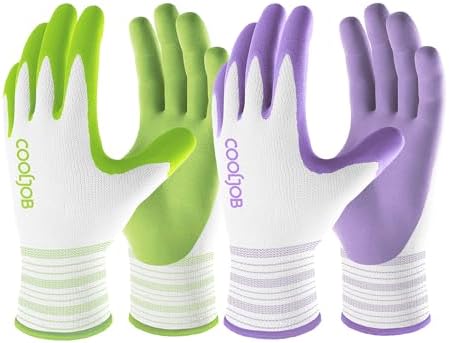
Best Gardening Gloves of 2026: A Practical Buying Guide
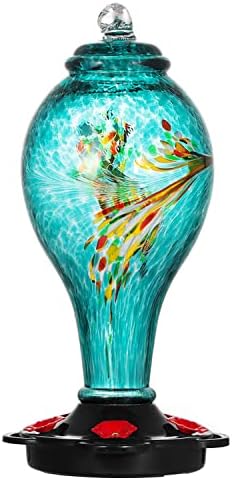
Best Bird Feeder for Hummingbirds: A Buying Guide for 2026








